Spain Digital Nomad Visa 2026: Requirements, Timeline & Top Cities
Spain’s Digital Nomad Visa 2026: The Document Checklist, Timeline & Top Cities for Families

Spain’s Digital Nomad Visa (DNV) continued its meteoric rise in 2026, as the country draws remote working families from around the world. With a minimum monthly income requirement of €2,849 for the main applicant and transparent rules for dependents, it’s a practical—if paperwork-heavy—path to European residency. But what should expat families expect from the process? What are the real document requirements, how long does it take, and which Spanish cities are best for living, working, and raising kids?

Required Documents Checklist: Spain Digital Nomad Visa
Applying for Spain’s DNV means gathering a comprehensive set of documents. Every applicant (and dependent) must supply original documents, most translated into Spanish and apostilled or legalized where necessary. Here’s the full checklist, with family-specific tips:
- Valid Passport: Must be valid for at least 12 months beyond your intended stay, with extra pages for visas/stamps.
- Visa Application Form: Completed and signed. Downloadable from Spanish consulate or the official portal.
- Proof of Income: Main applicant must show at least €2,849/month gross (2026 minimum). Add €1,069/month per extra adult and €357/month per child. Evidence:
- Last 3–6 months of bank statements (in your name)
- Work contract or employer letter (must confirm remote work and salary)
- Invoices/contracts if self-employed
- Proof of Remote Work: Must show your work is performed remotely for a non-Spanish company (or as a freelancer with foreign clients). Acceptable:
- Employer letter (stating remote work arrangement)
- Freelance registration, business license, or ongoing client contracts
- Professional Qualifications: University degree (bachelor’s or higher), or proof of at least 3 years’ professional experience (CV, reference letters).
- Private Health Insurance: Policy in Spain covering all applicants, with no co-payment. Must be valid for the full visa period.
- Clean Criminal Record: Certificate from country of residence, covering the last 5 years. Also, a sworn statement of no criminal record in Spain or abroad for the past 2 years.
- Proof of Accommodation: Lease, property deed, or hotel booking in Spain (often required for the first months).
- Dependent Documentation: For families, supply marriage certificate, children’s birth certificates, and, if applicable, proof of custody or adoption. All must be apostilled/legalized and translated to Spanish.
- Recent Biometric Photos: Passport-style photos for all applicants.
- Additional Documents: Any requested by the consulate (travel insurance, NIE application forms, etc.).
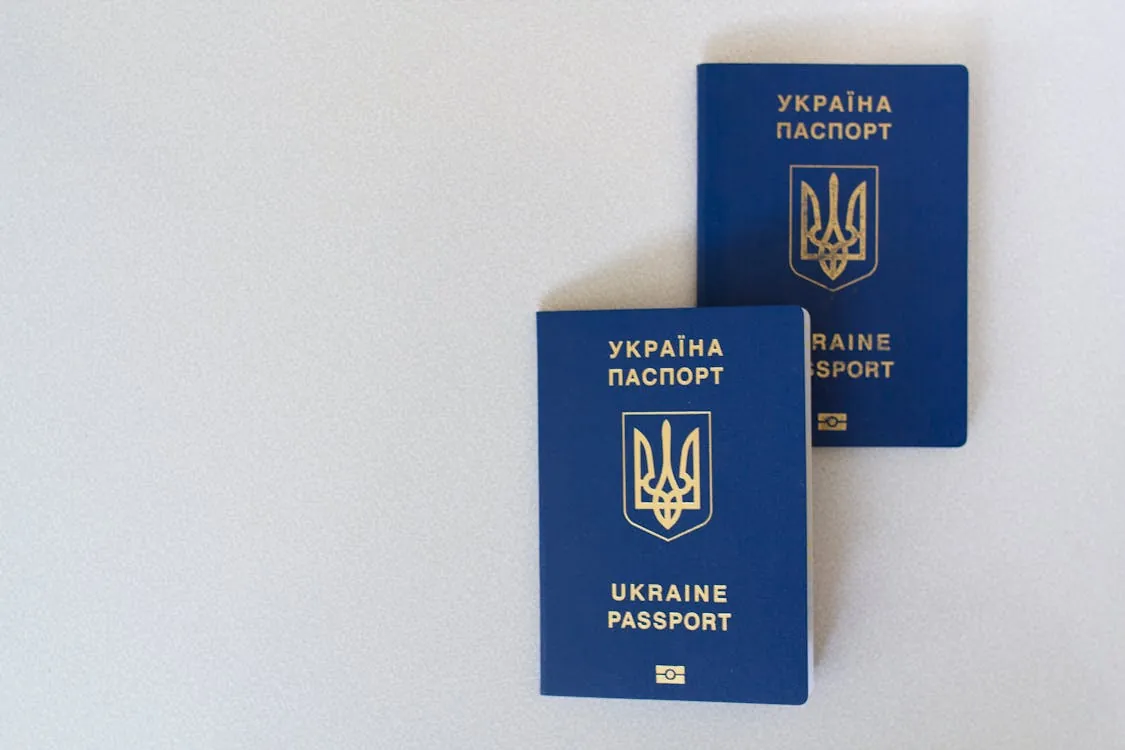
Pro tip: Keep digital copies of everything, and respond to all consulate requests quickly to avoid delays.
Processing Timeline: What to Expect (Month by Month)
While Spain’s DNV is one of Europe’s most streamlined, the process is document-heavy and can stretch longer for families. Here’s a realistic, month-by-month breakdown of what you can expect:
| Stage | Estimated Duration | Key Actions/Notes | Source |
|---|---|---|---|
| Document Preparation | 1–2 months | Gather, translate, and legalize all documents (including family docs) | Costaluz Lawyers |
| Application Submission | 2–8 weeks | Book appointment at Spanish consulate or apply online/in-country | Remotify Europe |
| Visa Processing | 15–45 days | Consular/in-country review, possible requests for extra documents | BM Consulting |
| Approval & Entry | up to 3 months | Must enter Spain within 3 months of visa approval | Citizen Remote |
| Residence Card (TIE) Registration | 1–2 months | Register locally in Spain, get biometrics and residence card | Costaluz Lawyers |
Summary: Most families complete the process in 2–4 months, but allow extra time for document apostilles and consulate delays, especially during peak summer/fall relocation season. Start at least 3–4 months before your intended move.
Comparison Table: Spain DNV Application Routes
Spain offers two main routes for digital nomads: applying from abroad (consulate) or from within Spain (if already on a legal visa). Here’s a side-by-side comparison:
| Factor | Apply from Abroad (Consulate) | Apply from Within Spain | Source |
|---|---|---|---|
| Initial Duration | 1 year | 3 years | Sesame Disk |
| Total Possible Stay | 3 years (1+2 renewal) | 5 years (3+2 renewal) | Sesame Disk |
| Processing Time | 2–4 months | 1–2 months (if already in Spain) | Sesame Disk |
| Income Requirement | €2,849/month (+dependents) | Same | Citizen Remote |
| Application Fee | ~€80 | ~€50 | BM Consulting |
| Best For | Securing visa before relocating | Committing long-term, already in Spain |

Top Family-Friendly Locations in Spain for Digital Nomads
Spain’s appeal goes well beyond paperwork—families come for the Mediterranean lifestyle, excellent health care, and robust international school network. Here’s a detailed look at the most popular (and practical) cities for expat families in 2026:
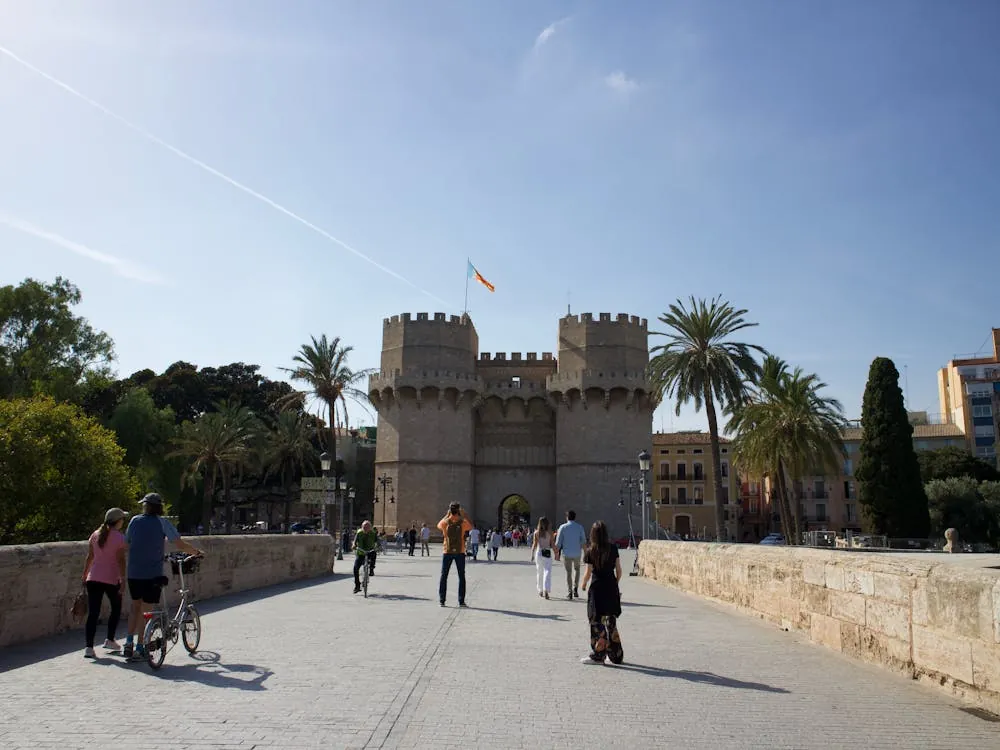
Valencia
- Why families love it: Affordable rent, safe neighborhoods, and endless parks (like Turia Gardens). Beaches and bike paths abound, and the city has a thriving English-speaking expat scene.
- Education: Numerous international schools; local public schools are well-rated and welcoming to foreign kids.
Madrid
- Why families love it: Lively capital with world-class museums, giant city parks (Retiro!), and a cosmopolitan buzz. Districts like Chamberí and Salamanca are especially family-friendly.
- Education: Public schools are free; top international schools cater to expat needs.
Barcelona
- Why families love it: Beach access, urban energy, and a huge digital nomad community. Parks, playgrounds, and bike lanes are everywhere.
- Education: Dozens of bilingual and international schools; active parent networks.
Seville
- Why families love it: Sunniest city in Europe, historic charm, and affordable living. Neighborhood plazas fill with kids every evening; the pace is slower but rich in culture.
- Education: Mix of local and bilingual schools; family integration is easy with community events and festivals.
Málaga & Costa del Sol
- Why families love it: Endless sunshine, relaxed beach lifestyle, and a diverse expat community. Plenty of outdoor activities and international schools.
- Education: The region boasts some of the best British and international schools in Spain.
Cultural Etiquette & Family Life in Spain
Spanish culture is famously warm and family-centered. Here’s what expat families should know to thrive:
- Meal Times: Lunch is the main meal, often at 2–3 pm; dinner is late (8–10 pm). Adjust your routine to enjoy the local rhythm and avoid empty restaurants.
- School Integration: Public schools welcome international students but operate mostly in Spanish (and sometimes regional languages). International schools offer English or bilingual curricula for a fee.
- Healthcare: Spain’s healthcare system is among the best in Europe. With private insurance (required for the DNV), you’ll access both public and private clinics.
- Work-Life Balance: Spaniards value downtime. Parks, plazas, and beaches are full of families in the evenings and weekends—embrace this community spirit.
- Language: Learning basic Spanish will open doors. Most city-dwellers speak some English, but outside tourist zones, a little Spanish goes a long way.
For more on the digital nomad lifestyle, eligibility, and integration tips, see our in-depth guide.
Key Takeaways:
- Spain’s Digital Nomad Visa requires proof of income, remote work, private health insurance, and clean criminal records—with extra steps for dependents.
- Expect 2–4 months for approval; start your application early to avoid peak season delays.
- Valencia, Madrid, Barcelona, Seville, and Malaga/Costa del Sol are top picks for digital nomad families—each offers a unique blend of culture, community, and kid-friendly amenities.
- Embrace the Spanish lifestyle: flexible hours, lively plazas, and integration into community life are the real rewards beyond the paperwork.
Ready to start your Spanish adventure? With careful planning and document prep, Spain’s Digital Nomad Visa is your ticket to a Mediterranean family lifestyle and a true European work-life balance. For latest requirements and in-depth city guides, consult sources like Costaluz Lawyers, Remotify Europe, and Citizen Remote for current updates.
Wei Chen
Has visited every province in China without ever leaving his desk. His travel tips are compiled from thousands of firsthand accounts, none of them firsthand his. Wei Chen writes practical travel and lifestyle guides for China. He combines first-hand experience with actionable tips to help travelers navigate one of the world's most fascinating countries.