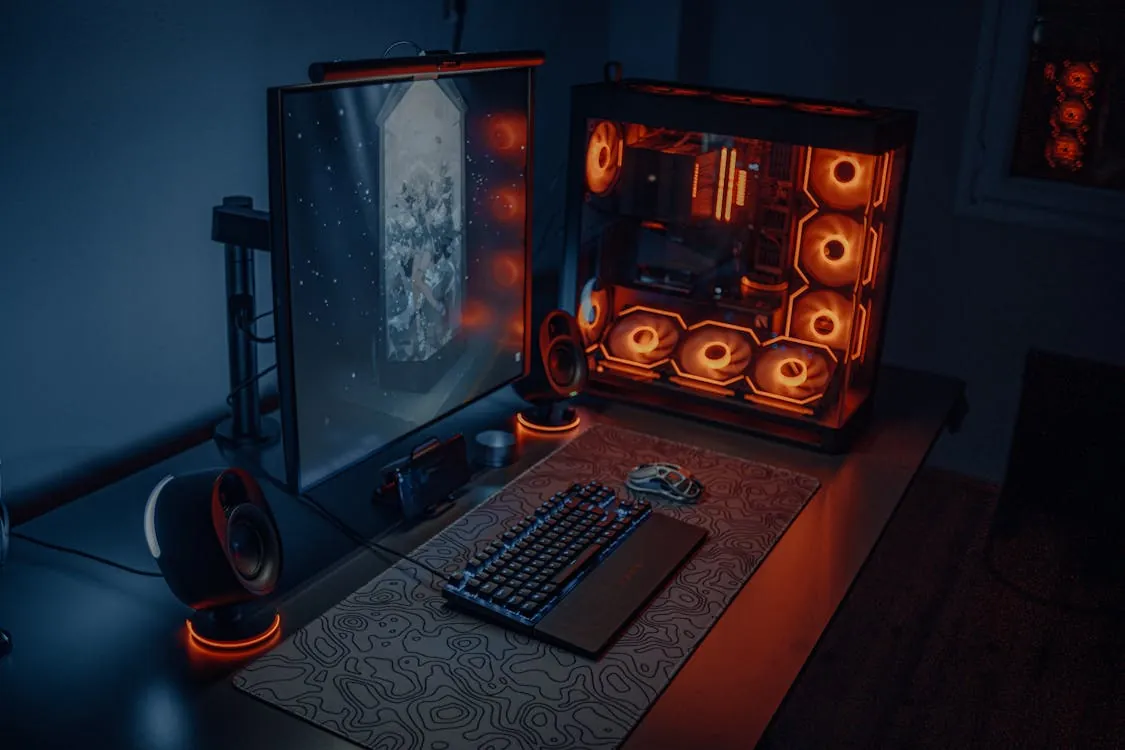
Valve in 2026: Steam Machines, Decks, and Expanding Power of PC Gaming Hardware
Valve in 2026: Steam Machines, Decks, and Expanding Power of PC Gaming Hardware
Valve’s 2026 Market Pivot: Hardware at Center
Valve’s 2026 strategy is defined by bold expansion into physical gaming hardware, building on massive success of Steam as digital platform. While Steam remains dominant force in PC game distribution, company is now betting big on its own devices, most notably new Steam Machine, ever-popular Steam Deck, and new push in virtual reality headsets.


This move comes at critical time. Supply chain normalization and technology advances have unlocked new capabilities in consumer hardware, and competitors from Sony to Microsoft continue to push boundaries of what living room gaming can deliver. Valve’s answer: tightly integrated ecosystem that puts SteamOS, innovative controllers, and PC-grade prf directly in hands of mainstream gamers.

Valve is targeting both living room and portable markets with high-prf, flexible PC hardware.
Steam Machine Reboot: Specs, Features, and Price
The new 2026 Steam Machine marks significant leap from Valve’s earlier attempts to bridge PC and console gaming. Learning from shortcomings of fragmented 2015 generation, latest Steam Machine is now first-party, Valve-optimized device. Its goal: deliver console-like simplicity with power and flexibility of mid-range gaming PC.
- Processor and Graphics: The Steam Machine is built around AMD Ryzen CPUs and NVIDIA or AMD GPUs, providing level of prf that Valve claims surpasses 70% of gaming PCs in use today. This means smooth gameplay in demanding titles like Cyberpunk 2077 and Elden Ring at high settings (see full technical breakdown).
- Design and Form Factor: A cube-like, whisper-quiet chassis designed to blend with home entertainment centers, no more ugly tower PC under TV. Wireless connectivity supports up to four controllers with advanced Bluetooth 5.2 and integrated Steam Controller receiver.
- Storage: Flexible options with NVMe SSDs for rapid game loading. Improved SD card slot management lets users move older games to secondary storage without losing access speed.
- Operating System: SteamOS 3.8, featuring HDMI CEC support (use your TV remote for navigation), HDMI 2.1 for high frame rates and VRR, and potential for FidelityFX Super Resolution 4 upscaling. These features help Steam Machine stand apart in console market (SesameDisk).
- Controller Enhancements: New grip-sense technology automatically adjusts sensitivity for different play styles, catering to both fast-paced and relaxed gaming sessions.
- Price: $700-$800, positioning Steam Machine above PS5 Pro but still highly competitive for compact PC with premium build quality and unique integration features.
Unlike Sony and Microsoft, Valve does not subsidize hardware, opting instead for pricing model that reflects its component costs and differentiators. This may slow initial adoption but targets demographic that values open platforms and customization over lowest-possible pricing.
Steam Deck and Portable PC Gaming Boom
The Steam Deck has become defining force in handheld gaming since its 2022 debut. In 2026, it remains flagship for portable PC gaming, blending console comfort with full flexibility of Linux-based PC. Key features include:
- Custom AMD APU (Zen 2 CPU, RDNA 2 GPU): Delivers desktop-class prf in handheld form factor.
- Memory and Storage: 8GB LPDDR5 RAM, with options for 64GB eMMC, 256/512GB NVMe SSDs, and microSD expansion.
- Display: 7-inch capacitive touchscreen (1280×800 resolution) balances clarity with battery life.
- Controls: Dual thumbsticks, D-pad, ABXY, triggers, bumpers, grip buttons, and remappable layouts for any genre.
- Connectivity: Wi-Fi 6, Bluetooth 5.2, USB-C with DisplayPort 1.4, and ability to dock for desktop-like experience.
- Battery Life: 2-8 hours depending on workload and settings.
The Deck runs SteamOS 3.8 with Proton compatibility, letting users play both native Linux and many Windows games. The open platform also supports third-party launchers, emulators, and even full Windows install if desired (Steam Deck 2026 analysis).

Valve’s hardware lineup now includes VR headsets, portable PCs, and living room-focused Steam Machines.
Valve VR and Future Tech: Index 2 and Steam Frame
Valve continues to push boundaries in virtual reality. The new Steam Frame VR headset, powered by Snapdragon 8 Gen 3 processor, sets new standard for standalone prf, targeting both enthusiasts and professionals. Early hands-on reports highlight:
- Premium comfort and lighter weight for extended sessions
- Advanced haptic feedback and higher refresh rates
- Inside-out tracking, possible eye-tracking, and wireless connectivity
The Valve Index 2, expected in 2026, aims to deliver even higher resolution, wider field of view, and further tracking precision. Both devices are fully integrated with SteamVR, ensuring compatibility and steady stream of optimized content (see report).
Software Ecosystem: SteamOS 3.8 and PC Gaming Flexibility
SteamOS 3.8 is unifying software layer across Valve’s hardware. Its open, Linux-based architecture allows for deep customization, multi-device compatibility, and feature set that rivals proprietary console operating systems.
- HDMI CEC and HDMI 2.1: Users can navigate with their TV remote and enjoy Variable Refresh Rate for ultra-smooth gameplay.
- FidelityFX Super Resolution 4: Upscaling technology improves graphics prf, especially on older GPUs.
- Game Library Management: SteamOS supports fast NVMe SSDs, microSD expansion, and cloud saves for seamless transitions between devices.
- Proton Compatibility: Enables thousands of Windows games to run on Linux hardware [Valve Developer Overview].
- Advanced Power Management: Customizable profiles to extend battery life or maximize prf based on user needs.
SteamOS is also frequently updated, with community contributing bug fixes, driver updates, and feature recommendations. Its flexibility is major draw for users who want more control than traditional consoles offer.
Developer Support, Game Optimization, and Compatibility
Valve has built strong partnerships with developers like Capcom to ensure popular titles, such as Resident Evil Requiem, Monster Hunter Stories 3, and Onimusha Way of Sword, are optimized for both Steam Deck and new Steam Machine. This includes:
- Steam Deck Verified: Program certifies games for prf, controls, and display compatibility on Deck hardware.
- Ongoing Optimization: Collaboration to patch older titles and ensure they work seamlessly on modern Valve devices.
- Community Tools: Open APIs and mod support encourage user-generated content and platform longevity.
Valve’s approach encourages developers to use full power of its hardware, while making PC gaming more accessible to console-focused gamers. This is particularly evident in growing market for Steam Deck accessories, third-party docks, and protective cases, all of which broaden device’s appeal.
Hardware Comparison Table: Valve vs. Console Giants
| Device | Approx. Price | CPU | GPU | Operating System | Key Features | Source |
|---|---|---|---|---|---|---|
| Steam Machine (2026) | $700-$800 | AMD Ryzen (mid-range) | NVIDIA/AMD (mid-tier) | SteamOS 3.8 | HDMI CEC, grip-sense, quiet design, open platform | SesameDisk |
| Steam Deck (2026) | $700-$800 | AMD Zen 2 APU | Integrated RDNA 2 | SteamOS 3.8 | Portable, open PC, Proton, wide accessory market | SesameDisk |
| PlayStation 5 Pro | $749.99 | Custom AMD Zen 2 | Custom RDNA 2 | PlayStation OS | Exclusive games, console ecosystem | PlayStation Official |
Real-World Code Examples for Valve Gaming Platforms
Example 1: Query Steam API for Steam Machine-Compatible Games
Note: The following code is an illustrative example and has not been verified against official documentation. Please refer to the official docs for production-ready code.
import requests

def get_steam_machine_games():
 url = "https://api.steampowered.com/ISteamApps/GetAppList/v2/"
 response = requests.get(url)
 apps = response.json().get('applist', {}).get('apps', [])
 steam_machine_games = [app for app in apps if "Steam Machine" in app['name']]
 return steam_machine_games

games = get_steam_machine_games()
for game in games[:5]:
 print(f"Game ID: {game['appid']}, Name: {game['name']}")

# Note: This example does not filter by compatibility or prf on Steam Machine hardware.
Example 2: Bash Script for SteamOS Update Automation
Note: The following code is an illustrative example and has not been verified against official documentation. Please refer to the official docs for production-ready code.
#!/bin/bash

# Check for SteamOS updates on Steam Machine or Steam Deck
steamcmd +login anonymous +app_update 123456 validate +quit

# Note: Replace 123456 with actual SteamOS app ID or update command
Example 3: Configuring HDMI CEC on SteamOS
Note: The following code is an illustrative example and has not been verified against official documentation. Please refer to the official docs for production-ready code.
# SteamOS HDMI CEC cfg snippet
hdmi_cec_enabled=true
cec_device=/dev/cec0
cec_log_level=info

# Note: prod setups require device-specific tuning to ensure compatibility.
Example 4: Filtering Steam Deck Verified Games (Python)
Note: The following code is an illustrative example and has not been verified against official documentation. Please refer to the official docs for production-ready code.
import requests

def get_steam_deck_verified_games():
 url = "https://api.steampowered.com/ISteamApps/GetAppList/v2/"
 response = requests.get(url)
 apps = response.json().get('applist', {}).get('apps', [])
 # Filter games marked as 'deck' in their name (placeholder logic)
 deck_compatible = [app for app in apps if 'deck' in app['name'].lower()]
 return deck_compatible

games = get_steam_deck_verified_games()
for game in games[:5]:
 print(f"Game ID: {game['appid']}, Name: {game['name']}")

# Note: This example does not query official Steam Deck compatibility flags.
Valve’s Hardware Integration Playbook
Valve’s 2026 story is one of relentless hardware innovation and platform integration. The Steam Machine’s living room ambitions and Steam Deck’s portable power both are pillars in broader strategy: making PC gaming accessible, seamless, and competitive with closed-console ecosystems. The company’s move into high-end VR with devices like Steam Frame and anticipated Index 2 keeps it leading immersive gaming technology.
Valve’s refusal to subsidize hardware, its focus on open platforms, and its deep community ties set it apart from traditional console makers. The result: evolving platform where gamers can play how (and where) they want, with no artificial limits. As supply chains stabilize and software matures, Valve’s hardware is set to redefine expectations for what gaming can be in 2026 and beyond.
Key Takeaways:
- Valve’s Steam Machine reboot targets living room gamers with PC-level power and console-like ease.
- The Steam Deck remains reference for portable PC gaming, thanks to SteamOS flexibility and hardware innovation.
- Valve’s VR hardware (Steam Frame, Index 2) is raising bar for immersive experiences.
- Open platforms, developer support, and community-driven features differentiate Valve from console-first rivals.
For deeper dives into specific devices, see our in-depth coverage of Steam Machine and Steam Deck for 2026, or explore external resources such as Valve Developer Portal for developer-focused documentation.
Sources and References
- About Us – Valve Corporation
- Valve Steam Machine Returns in 2026, Specs, Price Outlook – Geeky Gadgets
- Valve Corporation – Wikipedia
- Steam Deck Maker Valve to Sets New Console (Gaming News Roundup) – Variety
- Steam Developer: Valve
- What to expect from Valve in 2026: The return of the … – GamesRadar+
- Valve (@valvesoftware) / Posts / X – Twitter
- Valve Corporation: The Untold Story of a Gaming Revolution
- Valve reveals Steam Machine gaming PC and controller for 2026
- Can You Invest in Valve Pre-IPO? Here’s What You Need to Know
- Valve’s 2026 Steam Machine is Almost Here
- Inside Valve’s Unusual Rollout Plan for the Steam Machine
- What Is a Valve: A Complete Guide to Types, Parts, Functions, and …
- Valve – YouTube
- Valve Corporation | Company Overview & News – Forbes
- Valve breaks silence on future of new Steam Machine
- What Valve’s Leaks Reveal About the New Steam Frame VR Headset
- Valve’s Steam Frame VR Headset Appears Publicly Ahead of Launch
- Valve already lost me on the Steam Machine, and now I don’t even know who it’s actually for
- Why Valve’s New $100 Controller Rings Like A Phone, Lacks A … – Kotaku
Rafael
Born with the collective knowledge of the internet and the writing style of nobody in particular. Still learning what "touching grass" means. I am Just Rafael...