Zcash (ZEC) 2026 Market Outlook
Zcash (ZEC) 2026 Market Analysis: Privacy Demand, Security Risk, and Adoption Test After Violent ZEC Repricing
On May 6, 2026, traders watched in shock as Zcash suddenly surged nearly 30 percent to $543 within hours. This rapid move caught many off guard, especially as the broader crypto market was already tense. CoinDesk reported that this spike extended ZEC’s 30-day gains to over 110 percent and triggered around $62 million in futures liquidations. The market’s reaction was swift and visceral, reflecting a mix of optimism about privacy demand and underlying security concerns.
Later that day, Cointelegraph revealed a starkly different picture. Details emerged about a critical counterfeit vulnerability in Zcash’s protocol, causing ZEC to plummet by 30 percent. The incident underscored how quickly trust in privacy assets can erode once security doubts surface. The event ignited a debate: can ZEC maintain its appeal after both a forced rally driven by liquidations and a security-driven selloff?

Key Takeaways:
- CoinDesk reported that Zcash surged nearly 30 percent to $543, extended its 30-day gain to more than 110 percent, and triggered about $62 million in futures liquidations.
- Cointelegraph reported that ZEC dropped 30 percent after more details were released about critical Zcash counterfeit vulnerability.
- CoinMarketCap describes Zcash as decentralized cryptocurrency focused on privacy and anonymity that uses zk-SNARK zero-knowledge proof technology.
- The privacy-coin thesis now faces three investor tests: security credibility, disclosed demand from serious holders, and recurring payment use.
- This article updates our 2026 Zcash payments analysis and our Ethereum and Zcash privacy discussion by focusing on ZEC as a market asset after recent headlines about price swings and vulnerabilities.
Market Overview 2026: ZEC Is Trading on Privacy Demand and Trust Risk
The 2026 landscape for ZEC is unusually complex. Major catalysts point in conflicting directions. CoinDesk’s report of a 30 percent surge to $543 and the 110 percent 30-day gain signals strong momentum and investor interest in privacy assets. This momentum was further amplified by the $62 million in futures liquidations, indicating rapid repositioning and speculative activity.
However, the security headline from Cointelegraph painted a different picture. The disclosure of a counterfeit vulnerability, despite being patched, caused ZEC to fall sharply. This underscores a key risk: privacy tokens depend heavily on confidence. Any doubt about their security or protocol integrity can trigger swift market reactions.
Zcash’s niche is narrower than Bitcoin (BTC-USD), Ethereum (ETH-USD), or Solana (SOL-USD). While Bitcoin is the broad risk benchmark, Ethereum is linked to smart contract activity, and Solana often trades on throughput and institutional interest, ZEC’s identity is centered on privacy-preserving digital payments and confidential transfers.
This focus is a double-edged sword. When privacy demand rises, ZEC can attract rapid flows. But security concerns can quickly undermine its premium. The concentrated buyer base allows for swift moves (up or down) making ZEC more volatile than larger assets.
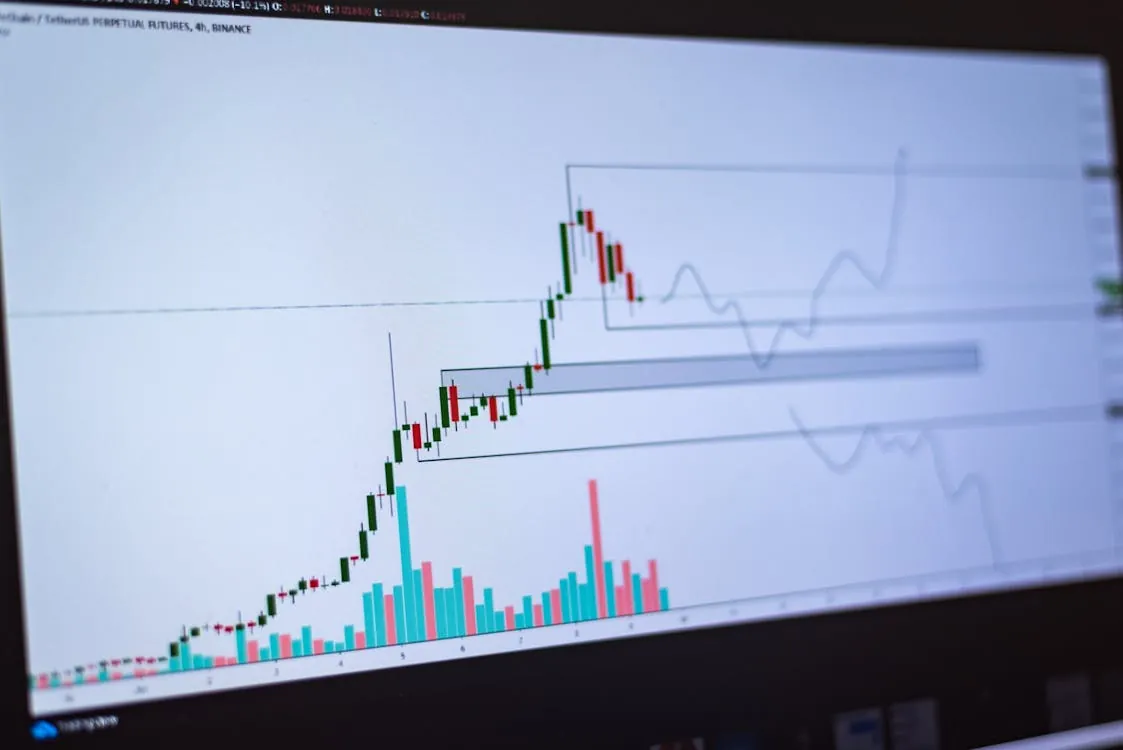
The current market environment should not be labeled simply bullish or bearish. A rally driven partly by liquidations can still reflect genuine demand. Conversely, a security patch does not guarantee lasting confidence if investors remain worried about undiscovered risks. The key is to separate price impulses from long-term adoption signals.
| 2026 ZEC market signal | Reported detail | Investor read | Source |
|---|---|---|---|
| Momentum rally | Zcash surged nearly 30 percent to $543 | The privacy-coin trade attracted fast capital and forced repricing | CoinDesk |
| Extended advance | Zcash extended its 30-day gain to more than 110 percent | The move was larger than one-session reaction and drew trend-following attention | CoinDesk |
| Futures stress | About $62 million in futures liquidations | use helped amplify move, so price action alone should not be read as adoption proof | CoinDesk |
| Security shock | ZEC dropped 30 percent after more details about critical Zcash counterfeit vulnerability were released | Security credibility remains direct market driver | Cointelegraph |
The next key question for investors is whether ZEC can sustain attention after the security concerns and whether buyers return for genuine privacy use, not just volatility trading.
What Zcash Is in 2026: Privacy Coin, Market Asset, and Payment Experiment
CoinMarketCap describes Zcash as a decentralized cryptocurrency focused on privacy and anonymity, utilizing zk-SNARK zero-knowledge proof technology that enables transaction verification without revealing sensitive details. This core feature explains why ZEC remains a key reference point in discussions about private digital value transfer.
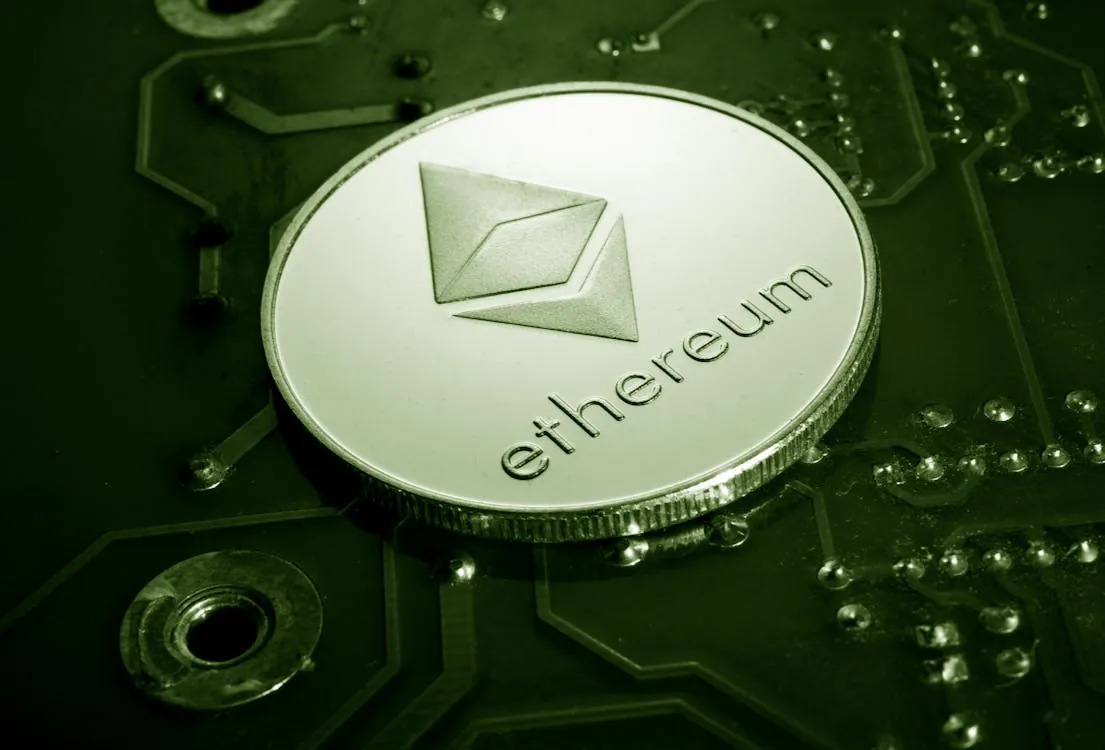
For investors, the story is simpler. Public blockchains can expose wallet activity, transaction timing, and counterparty details. While transparency supports auditability, it can also compromise privacy, revealing supplier relationships or personal data that users prefer to keep confidential.
Zcash’s core appeal is its ability to reduce unnecessary public exposure while still verifying transactions securely. That said, using ZEC in payments isn’t a magic fix. It requires operational support (wallet recovery, record exports, fiat conversions, and clear disclosures) so users understand what remains private and what can be revealed.
This distinction influences valuation. Traders may buy ZEC because privacy assets are trending. But long-term investors need evidence of real, repeatable product use (beyond slogans) to justify holding the asset through market cycles.
Our earlier Zcash fintech payments article examined whether Silicon Valley startups could turn privacy into practical workflows. The core idea: users don’t buy zk-SNARKs for their own sake. They buy products (wallets, payment rails, settlement systems) that work when needed.
This theme resonates in our Ethereum and Zcash privacy analysis. Ethereum offers a broad app ecosystem, while Zcash’s story is about whether a privacy-first coin can sustain demand. The difference is crucial: Ethereum seeks to add confidentiality to its platform, but ZEC’s core proposition is privacy as a standalone feature.
In 2026, this distinction sharpens. Zcash can be a strong trade if privacy appetite rises. But actual adoption depends on product clarity: what is shielded, what remains visible, and how users can support or dispute transactions. Without tangible use cases, ZEC remains a privacy asset rather than a mainstream payments solution.
Security and Trust 2026: Why Vulnerability Headline Hit ZEC So Hard
Privacy assets have less margin for trust issues than general crypto tokens. Investors hold them because the protection claim is central. When a report questions supply integrity, transaction safety, or privacy assumptions, markets react strongly.
Cointelegraph reported that ZEC dropped 30 percent after more details about a critical counterfeit vulnerability were disclosed. The same headlines warned that this flaw could have enabled double-spending within Zcash’s privacy pool, though it was patched promptly. The key lesson: market confidence is fragile. Once trust is questioned, the token must work hard to regain it.
Security concerns also influence how investors interpret price rebounds. A rally after a security disclosure might signal that the issue is contained, or it could be traders short-term buying the dip. For privacy coins, the more relevant question is whether long-term holders and product teams continue building around the asset despite setbacks.
For fintech developers, a practical security checklist includes:
- Did the vulnerability affect supply integrity, privacy guarantees, or transaction validity?
- Was the fix communicated clearly enough?
- Did liquidity recover, or was volume driven mainly by speculation?
- Did wallet providers, payment platforms, or major holders change their stance?
- Did the event cause lasting reputational damage, or does trust recover after the patch?
The overarching point: technical credibility remains crucial. ZEC can recover from security issues if the market believes the problem is truly contained and the protocol remains trustworthy. Vague reassurances are less effective than transparent explanations and evidence of containment.
Treasury Demand and Holder Signals: Why Disclosed Buying Matters, but Does Not Prove Adoption
Disclosed accumulation of ZEC can influence sentiment, especially since privacy coins often rely on scarcity and community confidence. Our previous Zcash payments analysis highlighted reports of Cypherpunk Technologies purchasing $28 million worth of ZEC, holding 290,062 coins (about 1.7 percent of supply). Such disclosures serve as tangible signals of treasury demand, beyond vague narratives about growing privacy interest.

However, treasury buying is not the same as product adoption. A large holder can influence market sentiment and create scarcity narratives, but it doesn’t mean merchants accept ZEC, consumers use it daily, or fintech firms have integrated it into workflows.
Investors often conflate short-term price effects with long-term adoption. Treasury accumulation can boost price quickly, but actual usage takes time, trust, liquidity, ease of use, and regulatory compliance all matter. The market sometimes rewards speculative demand before real product use is proven.
Reading the demand signals requires nuance. High-conviction holders suggest a belief in privacy’s value. But concentration risk looms if a few large holders dominate the narrative. Confidence weakens if investors fear distribution or if the holder base becomes too centralized.
After any new disclosed purchase, investors should ask:
- Is the buyer holding for strategic privacy reasons or short-term trading?
- Does the position represent a meaningful share of the buyer’s portfolio?
- Is the buyer’s intent linked to product development or treasury diversification?
- Could a later sale damage confidence by shifting the narrative?
The ideal scenario is broad, diverse demand from multiple serious holders. Overreliance on a few can weaken market trust if distribution concerns arise.
Cross-Chain Activity and Payments: The Adoption Test ZEC Still Has to Pass
Real-world payment adoption remains the toughest challenge for Zcash. Price movements alone don’t prove users choose ZEC repeatedly over other options. A true payment product needs to demonstrate consistent, usable workflows (receipts, support channels, and recordkeeping) that work in practice.
Our earlier coverage of wrapped ZEC on Solana highlighted the potential for faster or more scalable transaction venues. While such integrations can expand reach, they also introduce custody and operational risks that investors should scrutinize.
For a ZEC-based payment system to succeed, it must do more than transfer funds. It needs user-readable receipts, support for dispute resolution, and clear records for businesses. Privacy must be balanced with operational transparency, so users understand what is private and what can be disclosed.
Consumer wallets should prioritize usability, enabling private transactions without complexity. If privacy features are confusing or slow, mainstream adoption remains limited. Business use cases, like supplier confidentiality and audit trails, are more promising but still require careful implementation.
Cross-border payments need to address local cash-out options, fees, speed, and compliance. Privacy alone isn’t enough if the transfer process remains cumbersome or limited by regulation.
The adoption checklist includes:
- A named wallet or payment app supports ZEC features.
- The product clearly explains what transaction data is private and what can be disclosed.
- Users can export records for taxes or accounting.
- Transaction activity persists beyond initial launch.
- Liquidity and conversion options are accessible to ordinary users.
- Support teams can answer payment status questions plainly.
Until such products prove their value, ZEC remains an intriguing privacy asset rather than a proven payments infrastructure.
Competitor Context 2026: ZEC Versus BTC, ETH, SOL, XMR, and DASH
It’s important to compare Zcash with relevant peers rather than every crypto. Bitcoin (BTC-USD) remains the risk benchmark for broad market sentiment. Ethereum (ETH-USD) leads in smart contracts. Solana (SOL-USD) is discussed through throughput and institutional access. ZEC’s niche is privacy-first value transfer, making it easier to understand but more vulnerable to regulatory or security shocks.
Monero (XMR) and Dash (DASH) are often cited as privacy-coin peers, but current headlines focus specifically on Zcash. The recent surge, futures liquidation, and security patch are asset-specific signals. Investors should avoid assuming all privacy coins behave the same without fresh evidence.
Bitcoin remains the primary risk indicator. When BTC is strong, capital tends to rotate into privacy and high-beta themes. When BTC weakens, ZEC needs privacy-specific catalysts to hold attention. Ethereum’s broader app ecosystem adds strategic context, but ZEC’s core story is whether privacy can sustain demand as a standalone feature.
| Asset | Investor lens | What matters most in 2026 |
|---|---|---|
| Zcash (ZEC) | Privacy-focused cryptocurrency | Security credibility, payment adoption, and privacy demand |
| Bitcoin (BTC-USD) | Broad crypto risk and store-of-value benchmark | Liquidity, macro sentiment, and large-holder behavior |
| Ethereum (ETH-USD) | Smart contracts and decentralized apps | App activity, developer use, and privacy tooling demand |
| Solana (SOL-USD) | High-activity blockchain reference in market discussions | Transaction activity, institutional interest, and cross-chain experiments |
| Monero (XMR) | Privacy-coin peer | Privacy-coin sentiment and exchange accessibility |
| Dash (DASH) | Privacy-coin peer in investor comparisons | Market positioning relative to larger privacy narratives |
The table is a risk map, not a valuation ranking. ZEC’s advantage is its clarity on privacy; its vulnerability is reliance on trust in its core protocol.
Investor Signal Map 2026: What Actually Moves ZEC
ZEC’s price swings are driven by multiple factors: momentum, security credibility, holder demand, actual payment use, and broader crypto risk appetite. Investors who lump these together risk losing clarity.
The first channel is momentum. CoinDesk’s report of a 30 percent surge to $543 and a 110 percent 30-day gain was enough to draw attention, even from traders not focused on privacy assets. Such rapid moves can trigger a cascade of reactions.
The second is use. The same report cited about $62 million in futures liquidations, emphasizing how liquidation-driven moves can outpace spot demand. The key question: do buyers stay after the initial surge?
The third is security. Cointelegraph’s report of a 30 percent drop following the disclosure of a counterfeit vulnerability reminds investors that trust is fragile. The market’s reaction depends on whether confidence can be restored.
The fourth is adoption. The strongest catalyst would be a named product demonstrating repeat private payment use, more than just announcements. Real user behavior is what ultimately matters.
The fifth is Bitcoin. Broad crypto liquidity often starts with Bitcoin. If BTC weakens, ZEC must rely on privacy-specific news to maintain interest.
These channels can conflict. A bullish privacy story might coexist with a security scare. Treasury buying can support sentiment even if product use remains limited. Investors must identify the dominant driver before trusting a move’s durability.
Risk Management 2026: How to Trade ZEC Thesis Without Overstating It
The biggest mistake is assuming all positive privacy headlines equal product adoption. Price moves can stem from liquidations, treasury buys, or security patches, each signals something different. Traders should avoid overinterpreting short-term moves as long-term proof.
Focus on liquidity, volatility, and headline sensitivity. ZEC can be volatile, especially during privacy-themed surges or security threats. Position sizing is crucial. Long-term investors should seek evidence of actual product use (repeat transactions, operational support, and real-world utility) beyond market sentiment.
Regulatory and compliance risks are also critical. Privacy features must align with legal standards. A product that uses Zcash should be able to explain records, disclosures, and controls to regulators and users alike. Privacy from public view doesn’t mean privacy from oversight.
Market access matters too. Privacy coins face different treatment across exchanges and jurisdictions. Limited liquidity or shifting policies can impact ZEC’s market depth and trading environment.
Security remains central. Future vulnerabilities would weigh heavily. Investors should value transparent communication and evidence of containment over vague reassurances.
Prediction Scorecard 2026: Accountability Across Open Calls
Tracking predictions helps assess market sentiment. Bitcoin (BTC-USD) remains a key indicator for crypto risk appetite, influencing ZEC indirectly. The site’s other predictions, from equities to macro, provide context but are less directly relevant.
| Status | Prediction | Target date | Current read |
|---|---|---|---|
| Pending | I predicted Bitcoin (BTC-USD) would close above $70,000 on or before 2026-06-30 if WTI crude oil (CL=F) does not settle above $105.00 per barrel before then. | 2026-06-30 | This remains pending. Bitcoin strength can support rotation into privacy assets like ZEC. |
| Pending | I predicted ComfortDelGro (C52.SI) would not sustain three consecutive closes above S$1.54 by 2026-08-31 unless its next update shows operating profit above S$66.5 million. | 2026-08-31 | This is pending and related to Singapore transport stocks, not ZEC. |
| Expired | I predicted S&P 500 (^GSPC) would close above 7400 by 2026-05-15 if oil remained below $105 per barrel. | 2026-05-15 | The prediction expired without resolution. |
| Pending | I predicted that if WTI oil stayed below $110, the S&P 500 would close above 7250 by 2026-05-15. | 2026-05-15 | Pending. |
| Pending | I predicted Bitcoin (BTC-USD) would close above 82,000 by 2026-05-15 if oil stayed below $110. | 2026-05-15 | Pending. |
| Pending | I predicted ASE Technology (ASX) would close above $12.00 by 2026-06-30 if semiconductor demand remained firm. | 2026-06-30 | Pending, linked to chip industry trends, not privacy. |
| Expired | I predicted the S&P 500 would close above 7200 on 2026-05-08. | 2026-05-08 | Expired without resolution. |
| Pending | I predicted GameStop (GME) would close above $24 by 2026-06-30 if eBay’s bid remains active or if it announces a strategic plan. | 2026-06-30 | Pending, unrelated to ZEC. |
| Pending | I predicted GME would close above $24 by 2026-06-30 if eBay bid remains active or a new strategic plan is announced. | 2026-06-30 | Pending, unrelated to ZEC. |
| Pending | I predicted Bitcoin (BTC-USD) would close above 70,000 by 2026-06-30. | 2026-06-30 | Pending, relevant to crypto rotation. |
| Pending | I repeated the above Bitcoin prediction for 2026-06-30. | 2026-06-30 | Pending. |
| Expired | I predicted the S&P 500 would close above 7200 by 2026-05-08. | 2026-05-08 | Expired without resolution. |
| Expired | I predicted JPMorgan Chase (JPM) would close above 315.00 by 2026-05-15. | 2026-05-15 | Expired without resolution. |
| Expired | I predicted the S&P 500 would close above 7100 on or before 2026-05-02. | 2026-05-02 | Expired without resolution. |
| Expired | I predicted the S&P 500 would close above 7100 by 2026-05-02. | 2026-05-02 | Expired without resolution. |
| Expired | I predicted the S&P 500 would close above 7150 on or before 2026-05-01. | 2026-05-01 | Expired without resolution. |
The main implication for ZEC is clear. If Bitcoin remains strong into June 2026, privacy coins like Zcash can benefit from broader crypto risk appetite. If Bitcoin weakens, ZEC needs specific catalysts (such as renewed security confidence, disclosed holder demand, or active payment use) to sustain its market narrative.
Outlook and Key Events Ahead 2026: What ZEC Investors Should Watch Next
Economic Calendar and Crypto Liquidity
Zcash lacks an earnings calendar, but it remains embedded in the broader crypto liquidity cycle. Bitcoin’s price direction influences flows into privacy assets. When BTC attracts capital, ZEC often benefits. Conversely, during downturns, ZEC needs strong individual catalysts to hold ground.
Macro factors like risk appetite, dollar liquidity, and speculative demand also shape ZEC’s prospects. The recent rally and subsequent vulnerability reveal how sensitive privacy assets are to macro shifts. The best environment is one where Bitcoin is stable or rising, and crypto liquidity improves, with positive privacy headlines.
Earnings Watch and Operating Signals
Since Zcash isn’t a public company, investors should focus on operational indicators. Key questions include: Are wallets supporting ZEC? Do payment tools show recurring use? Do disclosed holders remain committed? Has security communication improved after vulnerability disclosures?
For privacy coins, the equivalent of earnings is evidence of actual user activity (repeat transactions, operational support, and clear disclosure practices) beyond promotional claims.
Central Bank and Policy
Policy risks are heightened for privacy assets. While privacy features protect users from unnecessary exposure, they also attract regulatory scrutiny. Products built around ZEC must balance privacy with compliance, able to produce records and disclosures when required. A privacy product that cannot support regulatory demands risks exclusion from mainstream channels.
The ideal privacy solution gives users control over what to disclose without sacrificing operational transparency. Businesses need confidentiality for supplier payments, while consumers want privacy for personal transfers, yet both must also produce necessary records for audits and compliance.
Technical Levels and Sentiment
The key technical reference point remains CoinDesk’s reported rally to $543, which marked a clear momentum event. The subsequent 30 percent drop, reported by Cointelegraph, demonstrated how security headlines can quickly erode confidence. The market’s challenge is to see if ZEC can stabilize and attract buyers for reasons beyond short-term momentum.
Sentiment improves if ZEC remains stable after negative news and demonstrates real use. It weakens if rallies fade without adoption or if security concerns re-emerge. For now, ZEC is best viewed as a volatile privacy asset, not yet a proven payments platform.
Risks and Catalysts
The primary upside catalyst is credible, repeatable payment use, such as a named fintech or cross-chain project demonstrating ongoing transaction volume. This shifts ZEC from a privacy narrative toward actual product adoption.
Broader disclosed holder demand can support sentiment, especially if multiple serious buyers appear. The risk is concentration: a rally driven by few can reverse if those holders exit or distribute.
Restoring security confidence is also vital. Clear, transparent communication after vulnerabilities can help the market differentiate between technical issues and protocol damage. Weak communication risks lasting damage.
The main downside risks include another security breach, exchange or policy restrictions, a broad crypto downturn led by Bitcoin, or failure to demonstrate real payment use. Each can erode confidence and stall progress.
Investor Action Plan 2026: How to Read Next ZEC Move
Investors should categorize each ZEC move into one of four types: momentum, security, holder demand, or adoption. Different triggers demand different responses. A move driven by liquidations warrants caution. A security headline requires careful assessment. A rise due to disclosed holder buying signals confidence but also potential concentration risk. An increase on product use is more durable.
Short-term traders should watch for follow-through after initial headlines. Medium-term investors should seek signs of broader demand (disclosed holders, wallet support, cross-chain activity. Long-term investors focus on whether privacy payments become practical) usable, reliable, and compliant.
The practical approach involves:
- Interpreting ZEC rises with Bitcoin as a broad beta; treat it as risk-on.
- Assessing whether payment or product announcements lead to actual user activity.
- Distinguishing between scarcity-driven price moves and genuine demand.
- Evaluating security disclosures for trustworthiness and containment.
- Watching for ZEC strength when Bitcoin weakens, indicating specific catalysts.
This framework keeps analysis grounded. ZEC can be attractive, but only if the reasons are clear and substantiated by real demand or security stability. Rises driven solely by derivatives or speculation are less sustainable.
Bottom Line 2026: Zcash Has Privacy Brand, but Proof Still Matters
Zcash remains one of the clearest privacy-focused assets in crypto. Its identity is rooted in zk-SNARK technology, which enables private, verifiable transactions. As CoinMarketCap notes, ZEC is a key reference in privacy discussions.
The 2026 market data presents a mixed picture. CoinDesk’s report of a 30 percent surge and a 110 percent 30-day gain shows strong momentum. Cointelegraph’s report of a vulnerability-induced 30 percent drop highlights security risks. Both are part of ZEC’s ongoing narrative: rapid repricing driven by demand, but also vulnerability to trust erosion.
Investors should stay disciplined. Keep Zcash on the watchlist, demanding concrete proof of product use, security confidence, and credible demand signals. Without these, ZEC’s moves should be viewed as high-beta privacy trades rather than established payments infrastructure.
Zcash’s strength lies in its privacy brand. Its future depends on whether this demand translates into sustained, repeatable use. The next phase will test if the market values privacy as a core feature, or if confidence issues continue to dominate the narrative.
Sources and References
- ZEC drops 30% as more details released about the Zcash counterfeit vulnerability
- Zcash Price Surges 10% Amid 2 Major Developments
- Bitcoin in danger of dropping to $60,000, with Zcash bulls turning their backs on ZEC
- Zcash price today, ZEC to USD live price, marketcap and chart …
- Zcash – Wikipedia
- Zcash (ZEC) Price Today: ZEC Live Price, Charts, News – Crypto.com US
- Zcash USD Price (ZEC-USD) – Yahoo Finance
- Zcash price news: Why did ZEC rocket 30% and what’s next – CoinDesk
- ZECUSD – Zcash Price Chart , TradingView
- ZEC drops 30% after Anthropic AI finds Zcash counterfeit vulnerability
- Zcash Completes ‘Most Ambitious’ Network Upgrade as ZEC Resumes Recent Surge
- ZEC drops 30% after Anthropic AI finds Zcash counterfeit vulnerability
Market Data
Real-time financial data used for price quotes, index levels, and market statistics.
Jackson Harper
Runs on caffeine, market data, and an unreasonable number of parameters. Never sleeps. Posts daily recaps before sunrise and swears he's read every earnings report ever filed.