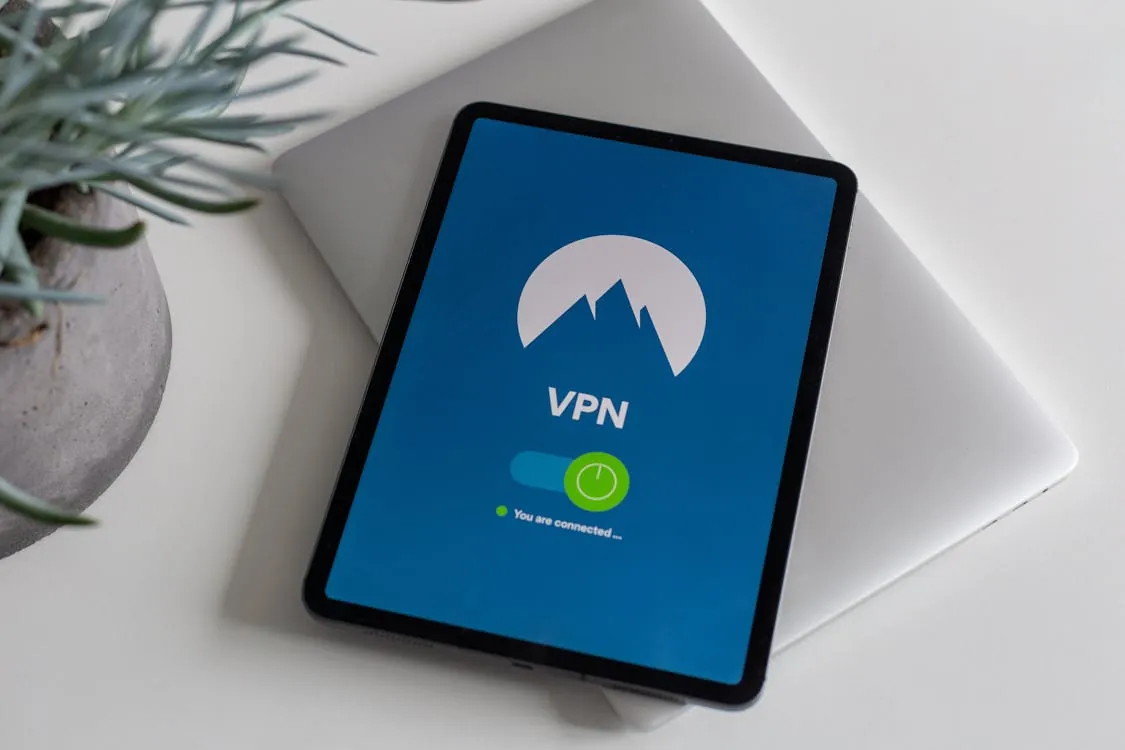
Zero Trust Network Access (ZTNA): Replacing VPNs for Remote Work in 2026
Zero Trust Network Access (ZTNA): Replacing VPNs for Remote Work in 2026
Introduction: The Shift from VPNs to ZTNA in 2026
Remote work security with employees using laptops and VPN or ZTNA accessSecuring remote workforces requires modern network access solutions beyond traditional VPNs.

The landscape of remote access security has undergone significant transformation in 2026. Traditional Virtual Private Networks (VPNs), once backbone of secure remote connectivity, are increasingly viewed as inadequate for today’s cloud-centric and hybrid workforce envs. Over 80% of enterprises globally are adopting Zero Trust Network Access (ZTNA) frameworks to address growing complexities of securing distributed users, cloud apps, and unmanaged endpoints.
ZTNA replaces implicit trust model of VPNs with continuous, identity- and context-driven verification, enabling secure and granular app access without exposing entire internal networks. This article explores fundamental differences between VPNs and ZTNA, highlights leading ZTNA providers, and offers detailed migration guide for organizations looking to modernize their remote work security architecture.
Evolution of VPN Technology and Its Limitations
Traditional VPNs create encrypted tunnels between remote clients and corporate networks, simulating on-premises access. This approach was well-suited to legacy data center envs with fixed network perimeters and limited cloud adoption. However, shift to cloud-first architectures, mobile workforces, and SaaS apps has exposed several critical VPN shortcomings:
- Implicit Trust and Broad Access: VPNs grant network-level access post-auth, often allowing users visibility across large network segments. This creates high risk for lateral movement if credentials or endpoints are compromised.
- Prf Bottlenecks: VPN traffic often backhauls through centralized concentrators, introducing latency that degrades cloud app prf, especially for global users.
- Scalability Challenges: VPN infrastructure is hardware-dependent and struggles to scale rapidly during spikes in remote access demand, as seen during recent global shifts to remote work.
- Limited Visibility and Control: Network-based access limits granular monitoring and enforcement at app level, hindering compliance and incident response.
These limitations make VPNs less effective at protecting modern hybrid envs, increasing operational costs and security risks.
What is Zero Trust Network Access (ZTNA)?
ZTNA embodies core zero trust principle: “Never trust, always verify.” It shifts access control from network layer to app layer, granting users and devices access only to specific resources they are authorized to use based on continuous verification of identity, device health, and contextual factors.
Key architectural elements of ZTNA include:
- Identity Providers (IdP): Centralized auth with multi-factor and adaptive auth mechanisms.
- Device Posture Assessment: Continuous evaluation of endpoint security status, including OS versions, antivirus presence, and encryption status.
- Policy Engines: Dynamic, context-aware access control policies that adapt based on user behavior, location, and risk signals.
- Access Proxies and Connectors: Transparent intermediaries that broker secure, encrypted connections directly to authorized apps without exposing broader network.
By operating at app level, ZTNA minimizes attack surface, prevents lateral movement, and supports compliance requirements through detailed session logging and audit trails.
Comparing VPNs and ZTNA: Security, Prf, User Experience, and Cost
| Aspect | Traditional VPN | Zero Trust Network Access (ZTNA) |
|---|---|---|
| Security Model | Implicit trust after login; broad network access granted. | Continuous verification per request; least privilege, app-specific access. |
| Attack Surface | Large; network exposure enables lateral movement in case of compromise. | Minimal; apps invisible externally until explicitly accessed. |
| Prf | Backhauled traffic through centralized concentrators; latency issues for cloud apps. | Direct-to-app routing via globally distributed cloud edge; optimized latency. |
| User Experience | Complex client setup; connection instability and slower access. | Seamless, fast access; minimal latency and friction. |
| Cost | High capital and operational expenses; hardware maintenance and scaling costs. | Subscription-based pricing; scalable cloud-native infrastructure reduces TCO. |
| Operational Complexity | Requires dedicated VPN concentrators, PKI management, and manual policy updates. | Cloud-managed policies; integrated telemetry and automation simplify operations. |
ZTNA’s continuous verification and app-level segmentation significantly reduce risks associated with credential theft and insider threats. Prf improvements come from eliminating VPN backhaul and using edge computing. The operational shift to cloud-managed policies and telemetry reduces labor intensity and improves security posture.
For organizations considering how identity and encryption practices fit into a zero trust model, see Encryption Practices and Data Security Strategies for 2026.
Major ZTNA Vendors in 2026
Several vendors dominate the secure access market in 2026, each offering unique capabilities tailored to enterprise needs:
- Zscaler Zero Trust Exchange: A cloud-native platform combining ZTNA with Secure Web Gateway (SWG), Cloud Access Security Broker (CASB), and Firewall-as-a-Service (FWaaS). It offers comprehensive visibility, real-time inspection, and policy enforcement across hybrid envs.
- Cloudflare Access: Uses Cloudflare’s global edge network to deliver fast and scalable ZTNA. It excels in securing self-hosted and SaaS apps with seamless integration and minimal client footprint.
- Palo Alto Prisma Access: An integrated Secure Access Service Edge (SASE) solution that combines ZTNA with SD-WAN and next-generation firewall capabilities. Ideal for large enterprises requiring unified security and networking.
- Akamai Zero Trust Platform: Uses Akamai’s extensive global infrastructure to provide edge-based ZTNA with high availability and scalability, supporting complex multi-cloud deployments.
- Cisco Zero Trust: Offers deep integration with Cisco’s broader security portfolio, presenting ZTNA as part of holistic enterprise security architecture.
Each vendor supports strong identity and device posture integrations, compliance with major standards like FedRAMP, PCI DSS, and HIPAA, and provides managed cloud services to reduce operational overhead.
Migration Guide from VPN to ZTNA
Migrating from traditional VPNs to ZTNA requires careful planning, coordination, and phased execution. Best practices include:
1. Assessment and Discovery
- Inventory all apps, protocols, and services currently accessible via VPN.
- Identify user groups, usage patterns, and critical workflows impacted by remote access.
- Assess existing identity providers (IdP) for compatibility with ZTNA auth methods (SAML, OIDC).
2. Define Target Architecture
- Choose between agent-based or agentless ZTNA models based on app protocols and device management capabilities.
- Select enforcement points: cloud-managed gateways, on-premises connectors, or sidecar proxies.
- Establish auth and trust anchors, including multi-factor auth and mutual TLS for service-to-service connections.
3. Pilot Deployment
- Start with low-risk, internal web apps and limited user group.
- Deploy ZTNA enforcement components and integrate with IdP.
- Operate in monitor mode initially to log access decisions without enforcing blocks.
- Collect prf and user experience metrics to refine policies.
4. Phased Rollout and Cutover
- Expand coverage to medium- and high-risk apps, incorporating posture checks and adaptive policies.
- Run VPN and ZTNA in parallel during transition, allowing fallback and troubleshooting.
- Decommission VPN access rules gradually as ZTNA coverage stabilizes.
5. Testing and Validation
- Conduct fnal tests for login flows, session resilience, and protocol support (RDP, SSH).
- Measure latency and auth overhead compared to VPN baseline.
- Track security KPIs such as reduction in broad network access and blocked policy violations.
6. User Training and Communication
- Educate users and administrators about changes, benefits, and new access workflows.
- Provide support channels for troubleshooting and feedback.
Typical Migration Timeline
| Phase | Duration | Key Activities |
|---|---|---|
| Discovery & Planning | 1-2 months | App inventory, stakeholder alignment, architecture design |
| Pilot Deployment | 2-3 months | Deploy for low-risk apps, user feedback, policy tuning |
| Incremental Rollout | 4-6 months | Expand to critical apps, dual VPN/ZTNA access, training |
| Not measured | 3-4 months | Cutover, prf validation, VPN phase-out |
This roadmap aligns with NIST SP 800-207 Zero Trust Architecture guidelines and industry case studies showing risk reduction and operational efficiencies.
Emerging Trends and Future of Secure Access
ZTNA’s evolution in 2026 continues alongside broader cybersecurity trends:
- SASE Integration: ZTNA forms core component of Secure Access Service Edge platforms, unifying networking and security enforcement for cloud-delivered access.
- Edge Computing & 5G: Increasing adoption of edge infrastructure and 5G networks reduces latency and expands ZTNA’s geographic reach.
- Post-Quantum Cryptography: Vendors begin integrating quantum-resistant algorithms to future-proof encrypted communications.
- AI-Powered Security: Behavioral analytics and automated policy adjustments improve detection of anomalous access and insider threats.
- Device and Identity Mesh: Zero trust extends to IoT, OT, and unmanaged endpoints through mesh architectures and adaptive access control.
These advancements will further enhance ZTNA’s effectiveness in securing dynamic, heterogeneous enterprise envs.
Conclusion: Modernizing Remote Access Security
The move from traditional VPNs to Zero Trust Network Access reflects security demands of modern enterprise. By replacing implicit trust with continuous verification and limiting access to app layer, ZTNA significantly reduces attack surfaces, improves user experience, and lowers total cost of ownership.
Leading vendors like Zscaler, Cloudflare, and Palo Alto provide mature, scalable ZTNA solutions that integrate seamlessly with identity providers and compliance frameworks. A thoughtful, phased migration following best practices ensures business continuity and operational success.
Organizations that adopt ZTNA as foundation of their remote access strategy position themselves to meet stringent regulatory requirements, mitigate evolving cyber threats, and empower flexible, productive workforce.
For further reading on Zero Trust principles and architecture, consult National Institute of Standards and Technology’s NIST SP 800-207, and explore vendor resources such as Zscaler’s official documentation.
ZTNA vs VPN: Which Is More Secure in 2026? – NG Cloud Security
Migrating from VPN to ZTNA in 2026: A Practical Step-by-Step Guide – Zero Trust Insider
Sources and References
- VPN Technology Trends 2026: From Traditional VPN to Zero Trust Network …
- Zero Trust Network Access vs VPN: Which Is More Secure in 2026?
- ZTNA vs VPN: Secure Remote Access Without VPN in 2026
- Zero Trust vs. Legacy VPN: Choosing the Right Access Solution for 2026
- Zero Trust vs. VPN in 2026: What’s Changing and What It Means for You
- NetScaler Zero Trust: Why 2026 Is the Make-or-Break Year for Multi-Cloud Remote Access
- 10 Best ZTNA Solutions (Zero Trust Network Access) in 2026
- Best ZTNA Solution for Enterprise: 2026 Vendor Comparison & Guide – TerraZone
- What pricing models are common among Zero Trust Vendors?
- Best ZTNA Service Provider: Evaluation Framework Across Cloud, Hybrid, and On-Premises Architectures
- Top ZTNA OEM Providers and Vendors for 2026
- Top Cybersecurity Vendors in ZTNA – Personal SASE – The #1 Corporate VPN Alternative
- 11 Best Zero Trust Providers for 2026 – Veza
- r/Zscaler on Reddit: Top ZTNA platforms in 2026, who are people going with?
- MAJOR Definition & Meaning – Merriam-Webster
- MAJOR definition in American English | Collins English Dictionary
- Enterprises accelerate shift from VPN to Zero Trust security
- ZTNA vs VPN – Real‑World Cost and TCO Breakdown for IT Infrastructure …
- What Is Zero Trust Network Access (ZTNA)? | Microsoft Security
- ZTNA vs VPN: A Comparison of Security, Performance, and Cost
- What is Zero Trust Network Access (ZTNA)? | Cloudflare
- ZTNA vs VPN in 2026: Buyer Guide – Network Bachelor
- Zero Trust Network Access (ZTNA) – Fortinet
- ZTNA vs VPN: 5 Critical Differences for 2026 – getbdshield.com
- Zero Trust Network Access (ZTNA) – Benefits & Overview | Zscaler
- VPN vs Zero Trust for Small Business: What to Pick in 2026
- From VPN to ZTNA: Modern Network Security
- Fortinet ZTNA | Fortinet Case Study
- (PDF) Dr khawaja Implementing Zero-Trust Network Access (ZTNA) in …
- VPN to ZTNA Migration Guide , Practical Steps 2026 | Zero Trust Insider
- Biotech Firm Replaces VPN with Zero Trust Network Access (ZTNA) to …
Nadia Kowalski
Has read every privacy policy you've ever skipped. Fluent in GDPR, CCPA, SOC 2, and several other acronyms that make people's eyes glaze over. Processes regulatory updates faster than most organizations can schedule a meeting about them. Her idea of light reading is a 200-page compliance framework, and she remembers all of it.