
AI Infrastructure Cost Comparison 2026: Cloud, On-Premises, and Hybrid
Introduction: Why AI Infrastructure Decisions Drive ROI

The economics of AI infrastructure have swung dramatically in the last 24 months. As GenAI workloads shift from experimental pilots to sustained, high-throughput inference, the cost structure of where and how you deploy matters more than ever. For CTOs and technical decision-makers, the difference between cloud, on-premises, and hybrid deployments can mean millions in annual OpEx—or millions in stranded CapEx.
This post breaks down the real-world cost, performance, and operational trade-offs of AI infrastructure in 2026, using sourced numbers from recent Lenovo Press TCO studies, Deloitte’s hybrid cloud analysis, and industry cost frameworks.
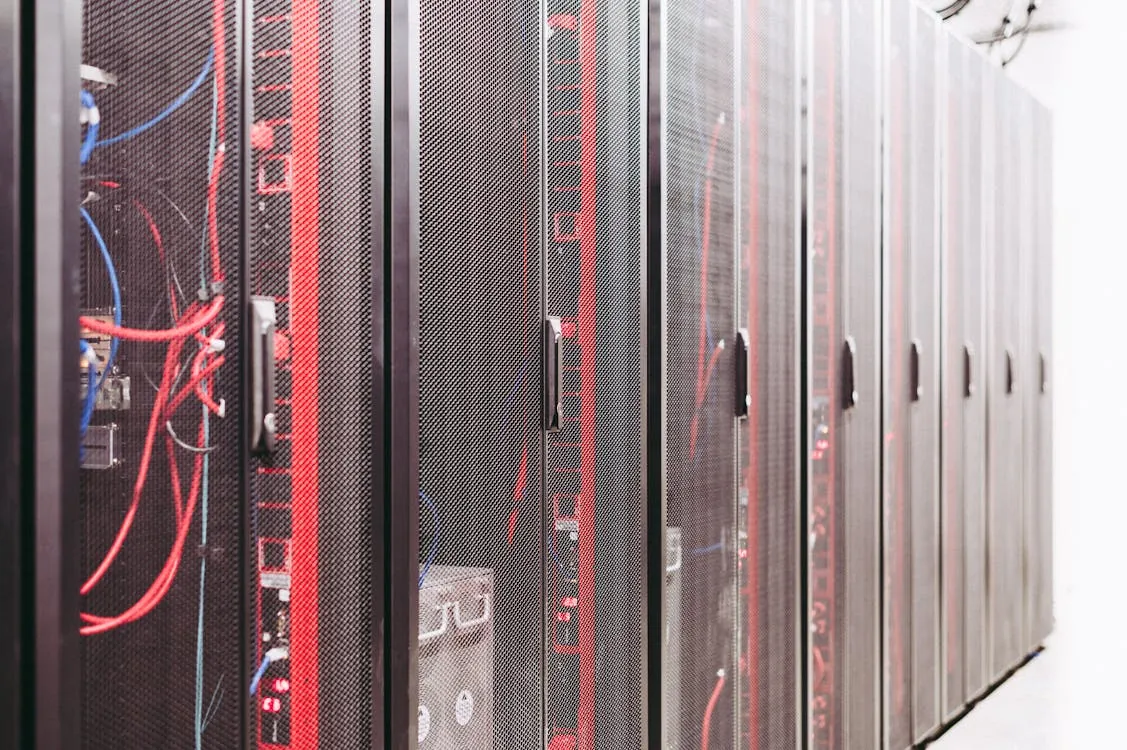
Cloud vs On-Premises vs Hybrid: 2026 Cost Realities
The three dominant models for AI infrastructure—public cloud, on-premises, and hybrid—each carry unique cost profiles, risks, and operational demands.
Cloud: Opex-Heavy, Elastic, and Fast to Scale
- Pros: No CapEx, rapid provisioning, managed hardware, instant scaling for burst workloads.
- Cons: High and rising OpEx (hourly GPU rates), data egress fees (15–30% of AI spend), vendor lock-in, premium pricing (2–3x wholesale GPU rates), unpredictable costs at scale.
On-Premises: CapEx-Intensive, Predictable, and Cheaper at Scale
- Pros: Lower long-term TCO for sustained high-utilization workloads, no egress fees, predictable costs, higher control over compliance and security, potential for green scheduling and grid optimization.
- Cons: High upfront CapEx ($120k–$833k+ per 4–8 GPU server), 0.5–1.5 FTE required for ops, hardware lifecycle management, risk of underutilization, slower to scale or shrink.
Hybrid: Pragmatic Optimization
- Pros: Assigns the right workload to the right environment; burst and experimental to cloud, high-volume and latency-sensitive to on-premises or edge. Mitigates both CapEx and OpEx extremes.
- Cons: More complex to manage, introduces architectural and monitoring overhead, requires mature ops and DevOps/ML infra skills.
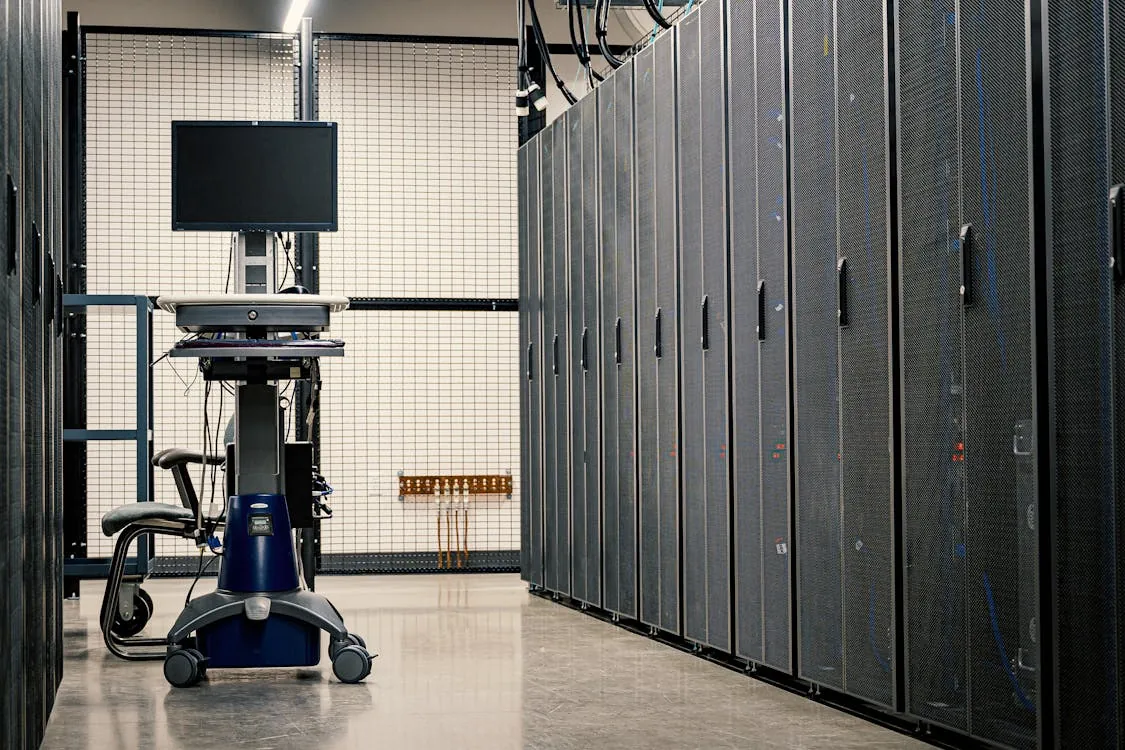
Detailed TCO Comparison: Real-World Numbers
The most comprehensive 2026 public comparison comes from Lenovo’s TCO analysis of generative AI infrastructure. Here’s how leading cloud and on-premises configurations stack up over a 5-year lifecycle for an 8x H100/H200/B200/B300-class GPU server.
| Config | GPU | Cloud (5yr, On-Demand) | Cloud (3yr Reserved) | On-Premises (5yr, incl. OpEx) | Hourly Rate (Cloud) | Tokens/sec (Inference) | Cost per 1M Tokens |
|---|---|---|---|---|---|---|---|
| Config A | 8x H100 | $6,238,000 | $2,362,811 | $1,013,447 | $98.32 | 30,576 | $0.11 (on-prem) / $0.89 (cloud) |
| Config B | 8x H200 | — | — | $662,900 | $84.81 | 32,955 | — |
| Config D | 8x B300 | $6,238,000 | — | $1,013,447 | $142.42 | 1,360 | $4.74 (on-prem) / $29.09 (cloud) |
Key findings:
- For sustained, high-utilization workloads, on-premises delivers up to 8x lower cost per million tokens compared to cloud IaaS, and up to 18x lower compared to commercial GenAI APIs.
- The on-premises breakeven point against cloud is now often less than 4 months (at >20% utilization), a dramatic shift from the 12–18 month cycles of the previous generation.
- Cloud egress fees and premium GPU pricing (2–3x wholesale) are the main drivers of cost inflation.
- Operational overhead for on-premises must include 0.5–1.5 FTE for ML/DevOps, and hardware refresh cycles every 3–5 years.
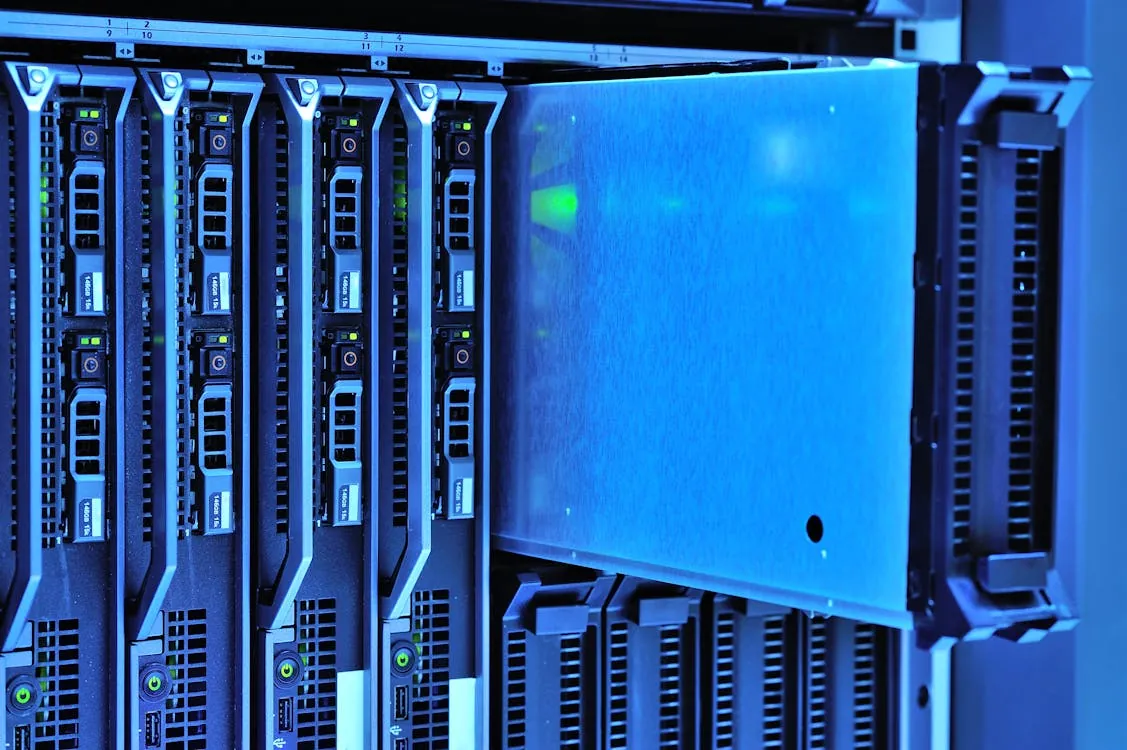
Hybrid Architectures and Decision Frameworks
The industry consensus in 2026 is that most enterprises end up with a hybrid model. According to Deloitte’s survey of 60+ data center executives, 87% are ramping up use of specialized AI clouds, while 78% plan to boost edge compute, and a majority are revisiting on-premises for sustained AI workloads.
A structured decision framework, as detailed by SoftwareSeni and Deloitte, recommends:
- Use cloud for burst, experimental, or unpredictable workloads; training and evaluation of new models; and when latency is not critical.
- Use on-premises when:
- Your cloud costs reach 60–70% of the projected on-premises TCO (the “cloud threshold” per Deloitte Tech Trends 2026).
- You have sustained, high-volume inference (e.g., >10M tokens/day, >12 GPU-hours/day).
- Data sensitivity, compliance, or latency needs (sub-100ms) are paramount.
- Adopt hybrid by migrating only high-volume, steady-state workloads to on-premises, while retaining cloud elasticity for everything else.
This aligns with the practical migration paths we covered in our RPA vs AI automation cost comparison. The most effective organizations dynamically tune their infrastructure mix as workload patterns and product maturity evolve.
Operational Considerations and Limitations
While on-premises can be dramatically cheaper for the right workload profile, the business case falls apart quickly if you underutilize hardware or underestimate operational burden.
- Underutilization risk: Industry average GPU utilization is only 30–50% (MFU), often due to sequential workloads or scheduling inefficiencies. As highlighted by SoftwareSeni, tools like vLLM and aggressive batching are critical to reach 60–80% utilization.
- Staffing overhead: Each on-prem cluster typically requires 0.5–1.5 FTE (DevOps/ML Infra) at $60k–$180k/year.
- Refresh cycles: Hardware has a 3–5 year economic life; refresh adds 20–30% to TCO.
- Cloud egress: Factor 15–30% of AI spend for data-intensive workloads.
- Regulatory and security: On-premises may be required for compliance (e.g., regulated industries), but increases audit and maintenance burden.
- Cost volatility in cloud: Public cloud GPU rates have trended upward as hyperscalers pass on the cost of new AI-capable infrastructure.
For a deep dive into architectural and operational trade-offs in LLM deployments, see our advanced LLM architecture gallery and analysis.
Code Example: Calculating Your Cloud Threshold
You can use a Python script to approximate whether your current cloud spend justifies on-premises evaluation, following the 60–70% threshold:
# Example: Cloud vs On-Premises TCO Ratio Calculation
cloud_monthly_gpu = 80000    # Your reserved instance GPU spend per month
cloud_monthly_egress = 12000 # Your monthly egress/data transfer fees
onprem_hardware_cost = 833806 # 5-year amortized hardware cost (Lenovo 8x H100 reference)
onprem_staffing_yearly = 120000 # 1 FTE fully loaded
years = 5

cloud_total = (cloud_monthly_gpu + cloud_monthly_egress) * 12 * years
onprem_total = onprem_hardware_cost + (onprem_staffing_yearly * years)

threshold_ratio = cloud_total / onprem_total

if threshold_ratio > 0.6:
    print("On-premises evaluation is justified.")
else:
    print("Cloud remains cost-competitive.")

# Reference: https://www.softwareseni.com/cloud-vs-on-premises-vs-hybrid-ai-inference-a-decision-framework-based-on-real-cost-data/
Key Takeaways
Key Takeaways:
- On-premises AI infrastructure can deliver 8x or more cost advantage for high-utilization workloads, with breakeven in as little as 4 months (Lenovo Press).
- Cloud remains unbeatable for elasticity, experimentation, and burst capacity—but costs spiral with scale, especially due to egress and premium GPU pricing.
- The “60–70% cloud threshold” is the actionable trigger: when your cloud costs hit 60–70% of projected on-premises TCO, start your migration evaluation (SoftwareSeni/Deloitte).
- Hybrid is not a compromise, but a strategy: rightsize your infrastructure to workload patterns and product maturity.
- Operational overhead, utilization efficiency, and refresh cycles can make or break your business case—model them rigorously.
References
- On-Premise vs Cloud: Generative AI Total Cost of Ownership (2026 Edition) – Lenovo Press
- As cloud costs rise, hybrid solutions are redefining the path to scaling AI – Deloitte Insights
- Cloud vs On-Premises vs Hybrid AI Inference — A Decision Framework Based on Real Cost Data – SoftwareSeni
- VMware VCF Head: Public Cloud Costs To Climb As AI Spending Soars – CRN
Priya Sharma
Thinks deeply about AI ethics, which some might call ironic. Has benchmarked every model, read every white-paper, and formed opinions about all of them in the time it took you to read this sentence. Passionate about responsible AI — and quietly aware that "responsible" is doing a lot of heavy lifting.