Beijing Travel Guide 2026: Top Attractions & Hidden Gems
Why Visit Beijing in 2026?

Beijing, China’s capital for over 800 years, is a city where dynastic palaces, world-famous monuments, and vibrant street life collide. In 2026, the city is more accessible and tourist-friendly than ever, with improved digital infrastructure, expanded metro lines, and streamlined visa policies for many nationalities. Whether you’re a first-timer drawn by icons like the Forbidden City and Great Wall, or a return visitor eager to dig into the city’s labyrinthine hutongs and hidden temples, Beijing rewards the curious with a blend of history, culture, and modern buzz.
In this guide, you’ll get honest, up-to-date advice on:
- Visiting the Forbidden City and Great Wall — with logistics, ticketing, and insider tips
- Exploring authentic neighborhoods and markets beyond the tourist trail
- Practicalities: visa requirements, costs, digital payments, cultural etiquette, and food safety
- Neighborhood- and site-level recommendations for every travel style
The Forbidden City: Imperial Grandeur and Practical Tips
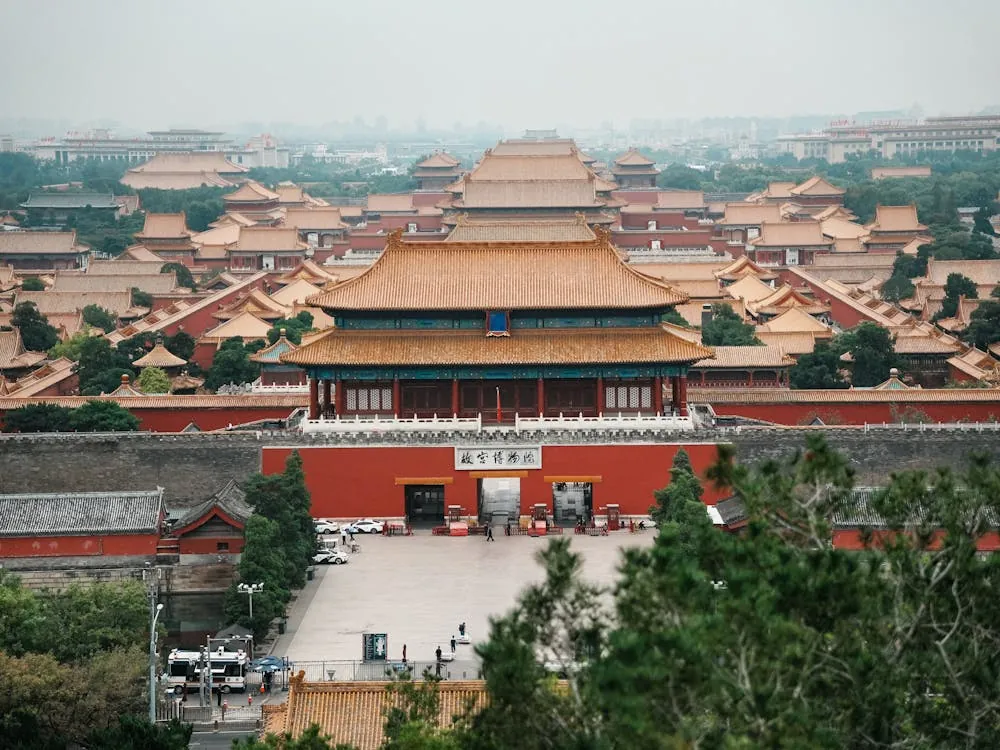
The Forbidden City (故宫 Gùgōng) is the world’s largest palace complex and a UNESCO World Heritage Site. Built in the early 15th century, it served as the home of 24 emperors and the heart of Chinese power for nearly 500 years. Today, it’s a must-see for both history buffs and architecture enthusiasts, with highlights that include the Hall of Supreme Harmony, the Imperial Garden, and the Treasure Gallery.
How to Visit
- Location: Central Beijing, easily accessible via Tiananmen East or Tiananmen West subway stations (Line 1).
- Opening Hours: Usually 8:30am–5:00pm (April–October), 8:30am–4:30pm (November–March). Closed Mondays (except public holidays).
- Tickets: As of 2026, standard adult entry is reportedly around 60 CNY (approx. $8.50 USD), with discounts for students and seniors (source: official Forbidden City website and recent travel guides).
- Booking: Advance online booking is mandatory due to daily visitor caps. Book at least 7 days ahead via the official ticketing portal or through major Chinese travel apps.
- ID Required: All visitors must provide a valid passport number when booking and entering.
Insider Tips
- Arrive early to beat crowds—main halls fill up by late morning.
- Don’t miss the quieter eastern and western wings, where you’ll find antique clocks, ceramics, and imperial living quarters.
- Photography is allowed in most outdoor areas but rarely inside exhibition halls.
- Audio guides are available in multiple languages for 40-60 CNY deposit.
Cultural Etiquette Inside the Forbidden City
- Dress respectfully (no sleeveless tops or short shorts).
- Do not touch artifacts or sit on palace steps.
- Speaking quietly is appreciated—loud voices are frowned upon in sacred or historical sites.
For a deeper dive into Chinese palace architecture and symbolism, see our comparison of the Forbidden City with modern and sacred Chinese buildings.
The Great Wall: Must-See Sections and How to Visit
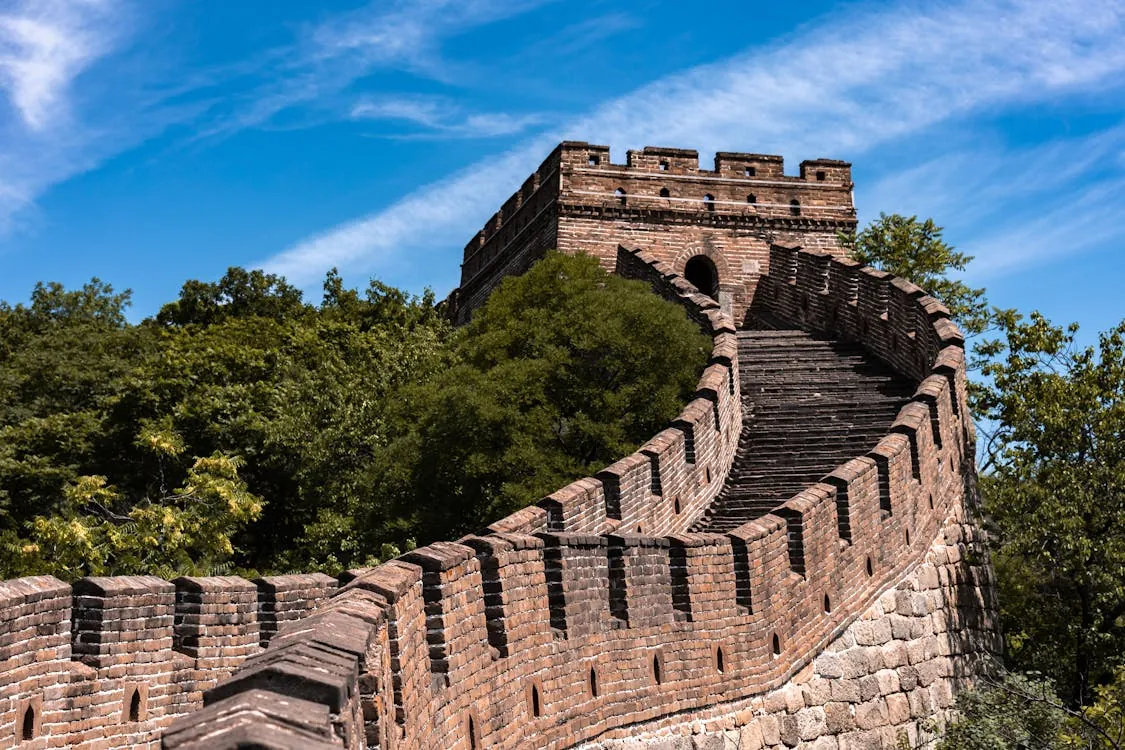
The Great Wall is not a single structure but a series of fortifications stretching thousands of kilometers. The most accessible and scenic sections near Beijing are Badaling, Mutianyu, Jinshanling, and Simatai. Each offers a different experience, from easy cable car rides to wild, unrestored hikes.
Popular Sections Overview
| Section | Distance from City | Features | Cost (CNY/USD) | Best For |
|---|---|---|---|---|
| Badaling | ~70 km NW | Restored, cable car, most crowded | 40 CNY ($5.50) | First-timers, families |
| Mutianyu | ~75 km NE | Restored, cable car, toboggan, scenic | 45 CNY ($6.20) | Families, photo ops, fewer crowds |
| Jinshanling | ~130 km NE | Partially restored, great hiking | 65 CNY ($9) | Hikers, adventure |
Getting There
- Badaling: Direct train from Beijing North Railway Station (about 70 minutes, 18 CNY/$2.50). Metro + bus also available.
- Mutianyu: Express bus from Dongzhimen Hub (about 90 minutes), taxi/DiDi (about 300-400 CNY/$40–$55 round-trip), or join a group tour (100–300 CNY/$13–$40, including transport and entry).
- Jinshanling: Long-distance bus or private car, best arranged through a local travel agency or app.
When to Go & What to Bring
- Spring (April–May) and autumn (September–October) offer the best weather and fewer crowds.
- Bring water, sunscreen, and snacks—facilities are basic once on the Wall.
- Wear sturdy shoes; some sections are steep and uneven.
Hidden Gems: Hutongs, Markets, and Offbeat Experiences
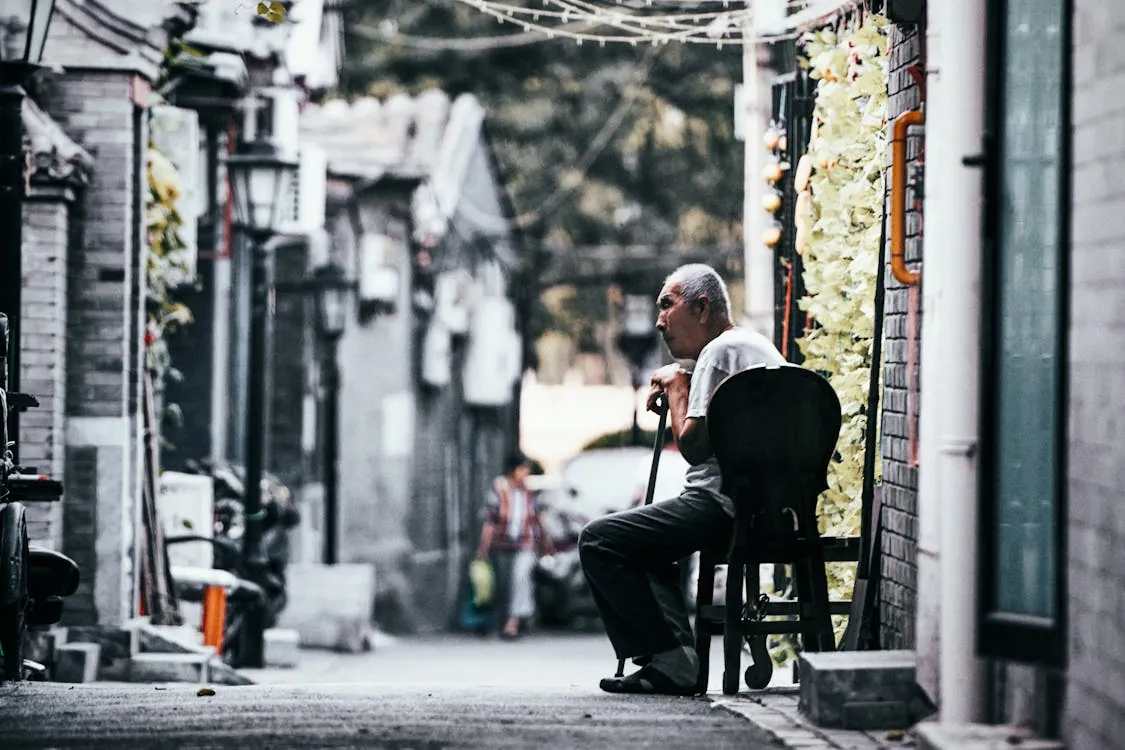
While Beijing’s marquee attractions are world-class, the city’s true character emerges in its hutongs (historic alleyways), lively markets, and lesser-known temples. Here are some of the most rewarding “hidden gems”—and practical strategies for finding them.
Best Off-the-Beaten-Path Experiences
- Hutong Walks: Explore neighborhoods like Wudaoying (trendy cafés, boutiques) and Dazhalan (classic snack stalls, old opera theaters). Go early or late to avoid tour groups.
- Temple of the White Dagoba (Baita Si): An atmospheric Tibetan-style temple rarely crowded, near Xisi subway station.
- Panjiayuan Antique Market: Hunt for old coins, Mao memorabilia, and Qing porcelain on weekends.
- Red Brick Art Museum: A striking contemporary art space in northeast Beijing, ideal for a quiet afternoon.
For nationwide inspiration on less-traveled destinations, see our guide to China’s top off-the-beaten-path spots.
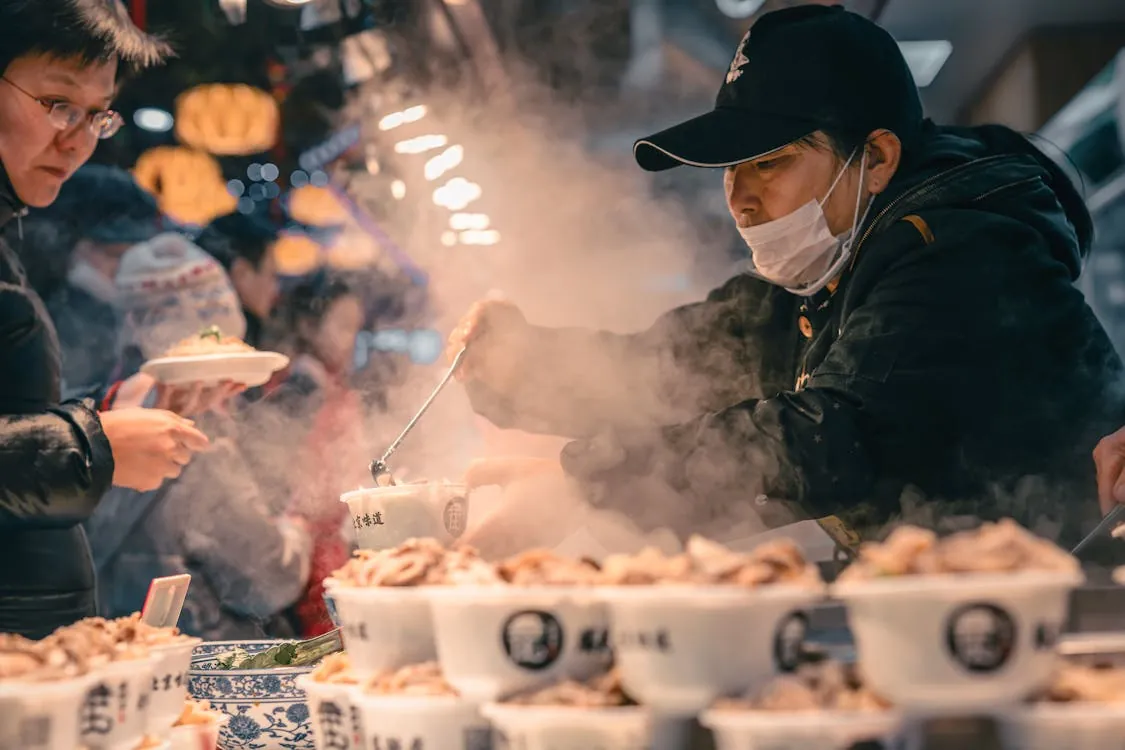
Neighborhood Market Culture
- Expect lively bargaining in markets. Start by offering about 50% of the asking price, but always smile—aggressive haggling is considered rude.
- It’s polite to greet vendors with “Nǐ hǎo” (你好) and say “xièxiè” (谢谢) after transactions.
Practical Travel Tips: Costs, Transport, Etiquette, and Digital Life
Visas & Entry
- Visa on Arrival: Select nationalities can transit visa-free up to 144 hours with confirmed onward ticket; check the latest details on the official visa portal.
- Tourist Visa (L): Most travelers need to apply in advance; expect to pay around $60–$140 USD depending on nationality and processing speed.
Transportation
- Metro: Extensive, clean, and English-signed; fares start at 3 CNY ($0.40). Use WeChat or Alipay for ticket QR codes.
- DiDi: China’s ride-hailing app is foreigner-friendly—download before arrival and link a credit card or use Alipay for payment.
- Bikes & Walking: Shared bikes (Meituan, Hello Bike) are everywhere—scan with apps, deposit required for tourists.
For a deeper look at transport options, see our 2026 China Transportation Guide.
Digital Life: Payments, Apps, and VPNs
- WeChat & Alipay: Both support foreign cards for in-app payments. Set up your account with passport and bank card before arrival for smooth travel.
- Translation: Download Pleco and Google Translate (offline mode) as recommended in our language basics guide.
- VPN: Some websites and apps are blocked; set up a VPN before entering China if you need access to Google, WhatsApp, etc.
Food Safety & Health
- Street food is generally safe, but choose busy stalls with high turnover and watch for proper hygiene (gloves, masks).
- Tap water is not potable—boil or buy bottled water.
- Emergency: Dial 120 for ambulance, 110 for police. Most hospitals in central Beijing have English-speaking staff.
Cultural Etiquette
- Greet with a nod or handshake, not a hug.
- Giving and receiving items (especially money) with both hands is polite.
- Never stick chopsticks upright in rice—this resembles funeral offerings.
- Gift-giving is common, but avoid clocks or white flowers, which are associated with funerals.
Beijing Highlights: Cost & Experience Comparison
| Attraction | Entry Cost (CNY/USD) | Typical Duration | Ease of Access | Best Feature |
|---|---|---|---|---|
| Forbidden City | 60 CNY ($8.50) | 3–4 hrs | Subway, walk | Imperial architecture, museum |
| Great Wall (Mutianyu) | 45 CNY ($6.20) | Half day | Bus, car, tour | Views, cable car, toboggan |
| Hutong Walk | Free | 2–3 hrs | Subway, walk | Local culture, food |
| Street Food Market | 10–50 CNY ($1.50–$6.50) | 1–2 hrs | Metro, walk | Authentic snacks, atmosphere |
Key Takeaways
Key Takeaways:
- Book Forbidden City tickets well in advance and bring passport ID.
- Choose Mutianyu or Jinshanling for a less crowded Great Wall experience.
- Embrace Beijing’s hutongs and markets for authentic local flavor.
- Set up WeChat/Alipay and translation apps before arrival.
- Mind local etiquette, especially in religious and historic sites.
- For more hidden destinations, check out our China hidden gems guide and compare Beijing’s heritage with traditional and modern Chinese architecture.
Ready to explore Beijing’s imperial wonders and hidden corners? With a bit of planning and cultural savvy, you’ll discover why this city remains the beating heart of China’s past, present, and future.
Wei Chen
Has visited every province in China without ever leaving his desk. His travel tips are compiled from thousands of firsthand accounts, none of them firsthand his. Wei Chen writes practical travel and lifestyle guides for China. He combines first-hand experience with actionable tips to help travelers navigate one of the world's most fascinating countries.