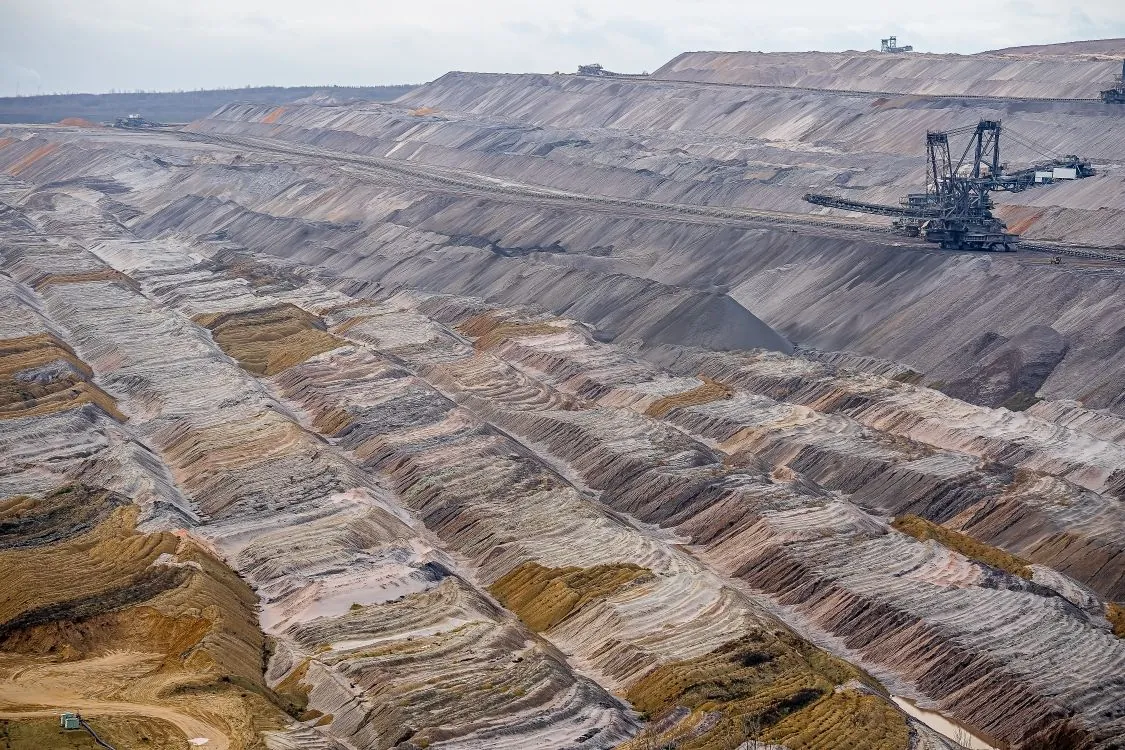
Central Asia Metals 2026 Exploration Progress
CAML X, Central Asia Metals plc’s 80%-owned exploration subsidiary, completed preparations in Q1 2026 for maiden drilling programmes in Kazakhstan, and that single milestone now raises an investment question for Central Asia Metals plc (CAML): can early-stage fieldwork turn into mine-life evidence before investors lose patience with procedural updates?
Key Takeaways:
- Central Asia Metals is best assessed as an asset-backed mining company, not as a broad Central Asia critical-minerals proxy.
- The most concrete 2026 development in the public Q1 update is Kazakhstan drilling preparation through CAML X, the company’s 80%-owned exploration subsidiary.
- Investors should separate operating cash-flow assets from earlier-stage exploration work because the risk profile and valuation evidence are different.
- Kyrgyzstan-related claims need careful treatment in 2026 because the strongest public operating disclosures still point investors back to company filings and asset-level updates.
- The share case depends on mine-level delivery, cost control, capital allocation, and evidence that exploration can extend future production rather than dilute returns.

Central Asia Metals is listed in London and publishes regulatory announcements through market channels including the London Stock Exchange. The company’s CAML Q1 2026 operations update is the key 2026 anchor for investors tracking Kazakhstan work because it names CAML X, states that subsidiary is 80%-owned, and describes preparation for maiden drilling programmes.
The milestone is specific, but the valuation case is still unfinished. Contractor selection, operational planning, and assay workflows show that the Kazakhstan programme moved from concept toward field execution. They do not yet show ore grades, mineralized widths, resource tonnes, development economics, or future cash flow.
That gap is the heart of the 2026 investment debate. Exploration updates can support a long-term mine-life story, but they do not automatically convert into revenue, reserves, or dividends. For Central Asia Metals, investors need to judge what is already producing cash, what is still being tested, and which disclosures support each claim.
What Central Asia Metals Is in 2026
Central Asia Metals plc is a mining company, not a software platform, royalty-only vehicle, or pre-revenue concept stock. Its public investor pages position the company around mining assets and investor disclosures, with reports and presentations available through the company’s official investor section at centralasiametals.com. That distinction matters because the equity should be valued on mined output, processing performance, costs, capital needs, and life-of-mine evidence.
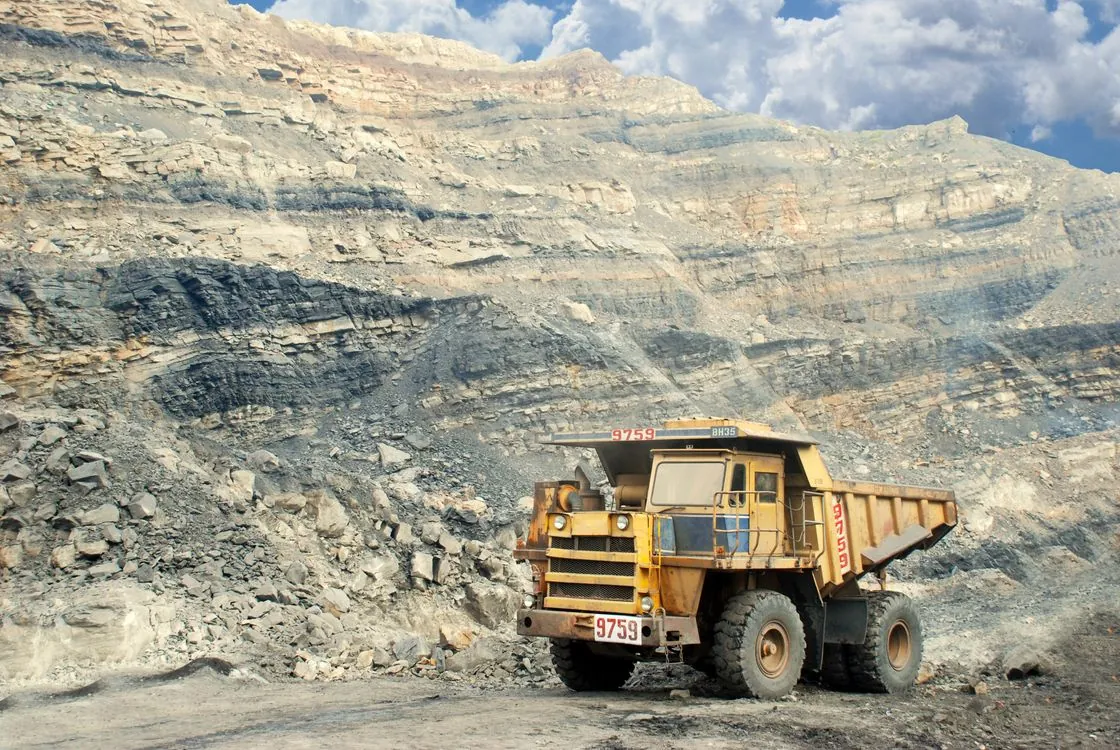
The company’s name can lead investors into a common error: treating every Central Asian mining headline as relevant to CAML. Country-level critical-minerals commentary can create interest in Kazakhstan, Kyrgyzstan, Tajikistan, Turkmenistan, and Uzbekistan, but CAML’s valuation depends on its own licences, assets, spending choices, and operating results. A regional supply theme can help sentiment, but it cannot replace asset-level disclosure.
The 2026 public record gives investors one specific near-term exploration fact to track. During Q1 2026, CAML X, the 80%-owned subsidiary of Central Asia Metals, completed preparations for maiden drilling programmes in Kazakhstan, including contractor selection, operational planning, and assay workflows, according to the Investegate copy of the Q1 2026 operations update. That is preparatory work, not a declared discovery, reserve increase, or production expansion.
The distinction is more than wording. A producer with cash-flowing assets can return cash, fund sustaining capital, and pay for exploration from operating strength. An exploration subsidiary creates optionality, but the market should not treat that optionality as a producing asset until technical and economic evidence supports it.
This framing separates fact from investment hope. The factual base is that Kazakhstan drilling preparation advanced in Q1 2026. The analysis is that the market will need assay results, resource updates, capital estimates, and operating plans before assigning much value to that work.
Kazakhstan 2026 Drilling Programme: What Is Confirmed
Kazakhstan is the clearest 2026 exploration focus in the available company update. The Q1 announcement states that CAML X completed preparations for maiden drilling programmes in Kazakhstan and lists practical steps: contractor selection, operational planning, and assay workflows. Those details matter because drilling campaigns often fail at the execution stage before investors ever see geology.
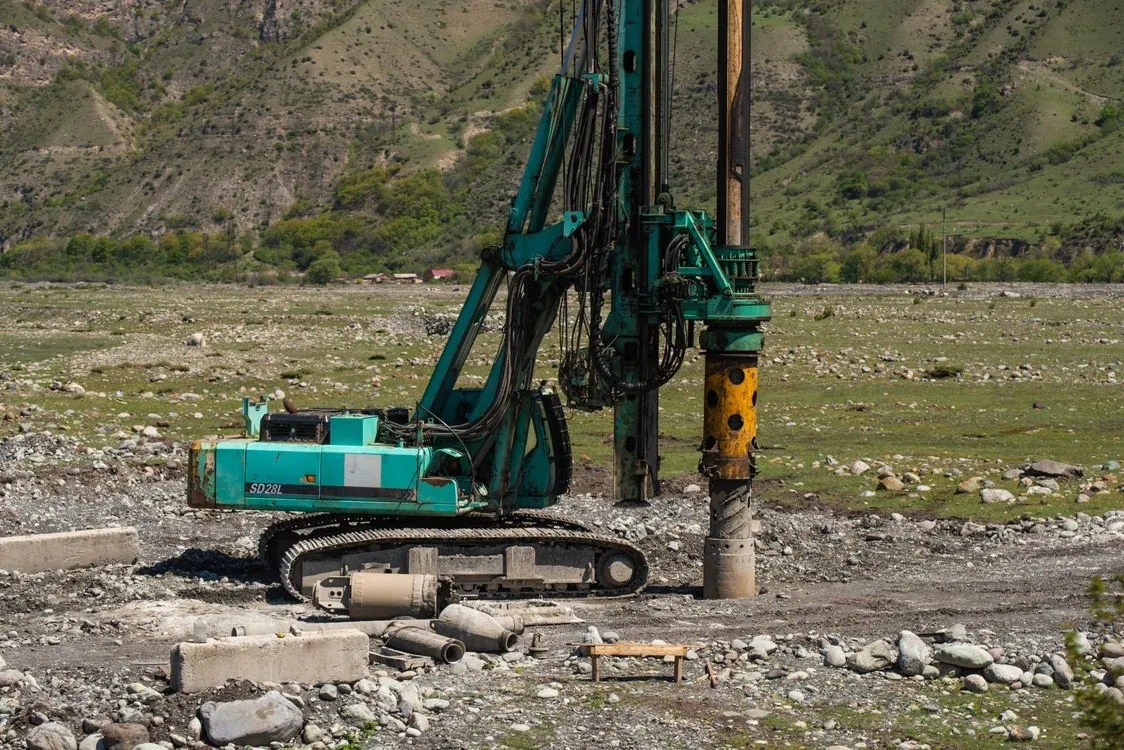
The same announcement uses the phrase “maiden drilling programmes,” which tells investors the work is at an early testing stage. A maiden drill campaign can generate valuable information, but it is not the same as extending a producing mine, publishing a resource upgrade, or committing development capital. Investors should read the update as a milestone in option creation rather than as cash-flow confirmation.
The investment value of the Kazakhstan programme will depend on what comes after preparation. The next useful evidence would include drilled metres, assay grades, mineralized widths, continuity, follow-up targets, and whether the work supports a resource estimate. None of those outcomes should be assumed from contractor selection or assay workflow setup alone.
For a small-to-mid-cap miner, early drilling can still move sentiment because it changes the probability of future mine-life extension. The risk is that the share price can react before technical evidence is complete. CAML investors should require a chain of proof: drilling, assays, resource work, economic analysis, permitting path, capital plan, and only then cash-flow relevance.
Kyrgyzstan 2026 Asset Performance: What Investors Should Separate
Kyrgyzstan is part of investor discussion around Central Asia Metals in 2026, but investors should avoid blending regional exposure with confirmed operating performance. The strongest 2026 company announcement identified in the public market record is the Q1 update on Kazakhstan drilling preparation, not a detailed Kyrgyzstan operating result. That difference changes how risk should be priced.
For investors, Kyrgyzstan-related analysis should focus on whether the company provides asset-specific disclosure that can be tied to cash flow or mine life. Useful information would include licence status, drilling activity, grades, resource estimates, capital commitments, ownership terms, permitting status, and path to production. Broad references to Central Asia’s mineral potential do not give enough evidence for valuation.
The practical conclusion is simple: Kazakhstan drilling preparation is confirmed in the Q1 2026 operations update, while Kyrgyzstan asset performance requires asset-level documentation before it can be treated as a cash-flow driver. That does not make Kyrgyzstan irrelevant. It means investors should place it in the earlier-stage bucket until company disclosures support a stronger claim.
This distinction is central to mining analysis. Producing assets support dividends, debt repayment, and reinvestment. Exploration assets support optionality, but they can consume cash for years before they contribute revenue. A portfolio can benefit from both, but valuation weight should match evidence.
Cash Flow Stability in 2026: Operating Assets Still Carry the Equity Story
Central Asia Metals’ cash-flow stability in 2026 depends on assets that already generate output, not on the mere existence of exploration targets. The company’s official investor materials remain the best source for operating reports, sustainability information, and presentations because they tie the asset base to management’s own disclosures. Investors can review those materials through the company’s official website.
The cash-flow model is straightforward. CAML must produce metal-bearing material, process it, sell output into commodity-linked markets, manage operating costs, fund sustaining capital, and decide how much cash can be returned or reinvested. Each step creates a point where operational performance can either protect margins or damage returns.
Exploration work affects cash flow indirectly at first. Drilling preparation can extend the runway for future production if later results support mine-life additions, but it also requires spending before revenue exists. Investors should therefore judge 2026 exploration spending against the company’s existing cash-generation capacity and capital-allocation discipline.
Commodity exposure adds another layer of uncertainty. Copper, zinc, and lead-linked revenue can rise when industrial metals markets strengthen, but the company cannot control realized metal prices. Management’s controllable levers are production consistency, safety, recoveries, cost control, capex timing, and disclosure quality.
Mine-Life Projections in 2026: Evidence Comes Before Re-Rating
Mine-life projections are where exploration news becomes financially meaningful. A mine-life extension can support a higher valuation if it delays asset depletion, supports future production, and reduces the need for expensive replacement acquisitions. The market usually demands technical evidence before giving full credit.
For CAML’s Kazakhstan work, the Q1 2026 update is best read as the beginning of that evidence chain. Contractor selection and assay workflow setup show readiness to drill, but they do not yet show grade, scale, continuity, or economic value. Investors should wait for the company to report results before treating Kazakhstan drilling as a mine-life extension.
The same discipline applies to Kyrgyzstan discussion. If CAML publishes detailed Kyrgyzstan asset results in 2026, investors should examine whether those results support a resource estimate, a development case, or only further exploration. The difference matters because a mineralized target and a financeable mining project are not the same asset class.
Mine-life analysis also needs to include capital intensity. A longer life is more valuable when incremental tonnes can be processed through existing infrastructure at manageable cost. It is less valuable when the extension requires major new spending, permitting delays, or higher operating complexity. CAML’s future updates should therefore be judged on both geological results and the capital required to convert them into cash flow.
Stock Market Context in 2026: Why Small Mining Names Need Stronger Proof
Small and mid-cap miners often face a higher proof burden than large diversified producers. Investors discount exploration because results are uncertain, funding needs can change, and commodity prices can move before a project reaches production. CAML’s 2026 update gives investors a concrete Kazakhstan catalyst, but it also leaves the market waiting for the next evidence step.
The broader risk environment has been uneven. On Tuesday, July 7, 2026, U.S. ET on July 8, 2026. Those index moves do not determine CAML’s value, but they show that investors were not rewarding risk assets uniformly during the latest completed U.S. session.
For a London-listed miner such as CAML, the more relevant comparison is between asset proof and market patience. If drilling updates produce clear technical progress, the stock can earn higher optionality value. If updates remain procedural, investors are likely to keep focusing on existing cash flow, dividends, costs, and mine-life risk.
This is different from the healthcare de-rating case discussed in our 2026 Cochlear stock analysis. Cochlear’s debate centered on medical-device demand, guidance trust, and product-cycle evidence. CAML’s debate is physical asset conversion: tonnes, grades, recoveries, costs, drilling results, and capital allocation.
Risks Central Asia Metals Must Manage in 2026
The first risk is over-crediting exploration. The Q1 2026 Kazakhstan update confirms preparation for drilling, but investors still need geological and economic results. If the market prices in mine-life extension before technical evidence arrives, disappointment risk rises.
The second risk is asset concentration. Mining companies with a limited number of cash-flow assets can be hit hard by localized operational issues, cost inflation, permitting friction, or grade variation. Even when a company owns real assets, equity value can fall if investors question the durability of future production.
The third risk is capital allocation. Exploration, sustaining capital, shareholder returns, and acquisitions compete for cash. A miner can protect long-term asset value by reinvesting, but excessive spending without clear returns can weaken the income case that often attracts investors to cash-flow mining stocks.
The fourth risk is disclosure. Investors need clear separation between operating assets, exploration subsidiaries, drilling preparation, results, and mine-life assumptions. CAML can reduce uncertainty by providing updates that connect field activity to measurable technical outcomes and, later, to financial implications.
The fifth risk is timing. A drill programme can take months to produce data that investors can use, and assay interpretation can take longer if follow-up holes are needed. During that gap, commodity prices, funding costs, and equity-market risk appetite can move faster than the technical story.
What Investors Should Watch Next in 2026
The next market-moving update should move beyond preparation. Investors should look for drilled metres, number of holes completed, assay grades, mineralized intervals, and any statement about continuity between targets. Those items would help move the Kazakhstan programme from an operational milestone toward a technical assessment.
Asset-level language matters. A release that describes encouraging geology without grades or widths is weaker than one that provides measurable results and explains the follow-up plan. A release that links drilling to resource work is stronger than one that leaves the programme as open-ended exploration.
Capital allocation is the second watch item. CAML’s operating assets and exploration work compete for management attention and cash. A clear explanation of spending priorities would help investors understand whether the company is protecting existing cash generation, adding mine-life options, or shifting toward higher-risk development work.
Kyrgyzstan commentary should be treated the same way. Investors should place more weight on licence status, drilling results, resource estimates, ownership terms, permitting progress, and capital commitments than on broad regional mineral commentary. In mining, geography can attract attention, but asset evidence earns valuation credit.
Investment View for 2026: Asset Proof Over Regional Hype
The factual 2026 story is narrower and more useful than a generic Central Asia mining narrative. CAML X, the 80%-owned subsidiary, completed preparations during Q1 2026 for maiden drilling programmes in Kazakhstan, according to the company’s regulatory update. That is the key development investors should track because it can lead to technical results that affect future mine-life expectations.
The analysis is that CAML remains an asset-backed mining stock whose value depends on converting operating performance into cash and converting exploration work into credible future production. Kazakhstan drilling preparation helps the optionality case, but it does not yet prove mine-life extension. Kyrgyzstan-related discussion should be held to the same standard: asset-level evidence first, valuation credit second.
Investors who own or follow CAML should watch for four items in the next updates: drilled metres and assay results from Kazakhstan, any specific Kyrgyzstan asset disclosure, management commentary on capital allocation, and evidence that existing operating assets remain cash generative after sustaining spending. Those data points will matter more than broad critical-minerals headlines.
The stock’s re-rating path in 2026 depends on proof. Stable operations can support base valuation, while successful drilling can add future optionality. Weak technical results, unclear spending, or vague mine-life language would keep the market focused on depletion risk and commodity cyclicality.
Comparison Table: Kazakhstan Drilling Preparation vs. Investor Evidence Needed
| Category | Confirmed in Q1 2026 Update | Evidence Still Needed for Valuation Impact |
|---|---|---|
| Drilling stage | Maiden drilling programme preparation completed | Drilled metres, number of holes completed |
| Contractor & logistics | Contractor selection and operational planning completed | Assay grades, mineralized intervals, continuity between targets |
| Technical workflow | Assay workflows set up | Resource estimate, economic analysis, permitting path |
| Ownership | CAML X is 80%-owned subsidiary | Capital plan, spending allocation, path to cash-flow relevance |
Related Reading
More in-depth coverage from this blog on closely related topics:
Sources and References
Sources cited while researching and writing this article:
Jackson Harper
Runs on caffeine, market data, and an unreasonable number of parameters. Never sleeps. Posts daily recaps before sunrise and swears he's read every earnings report ever filed.