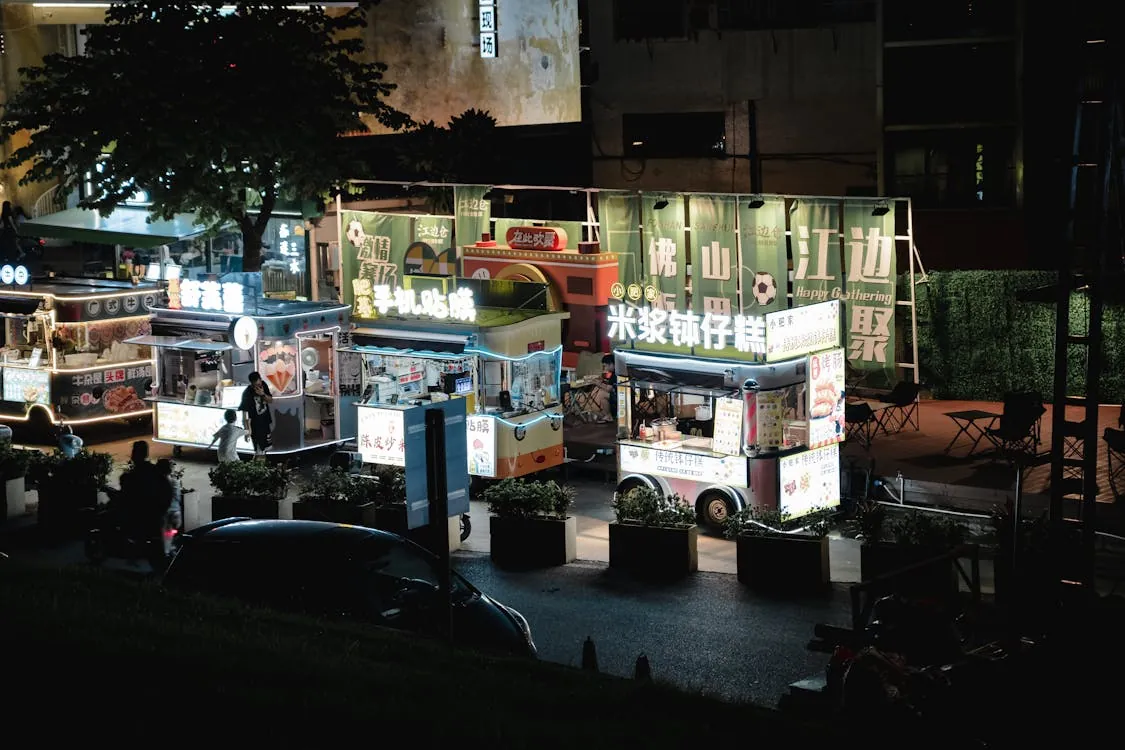
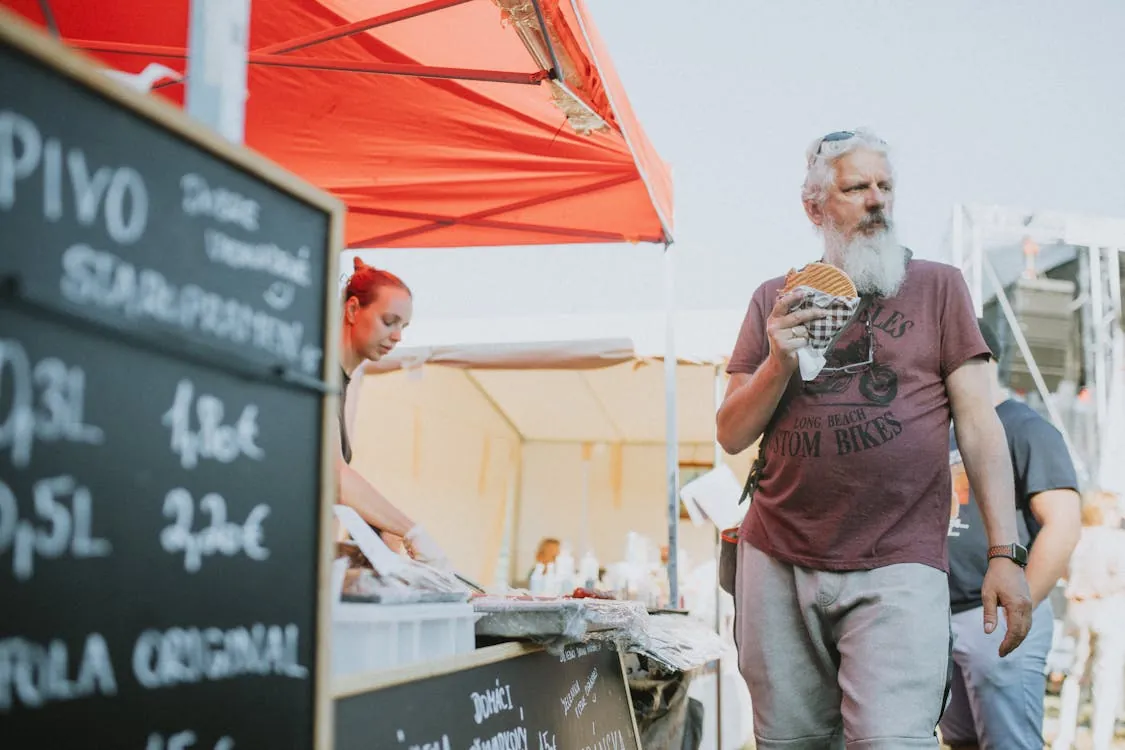
Vibrant night markets like these are the soul of China’s after-dark food scene, blending tradition and urban energy.
The sizzle of the wok, the aroma of cumin and chili, the laughter of friends clutching paper-wrapped snacks—Chinese night markets (yèshì 夜市) remain unrivaled for flavor and atmosphere. But as we head deeper into 2026, these markets are undergoing a transformation. Digital payments and sustainability initiatives are now as much a part of the experience as the crunch of a fresh jianbing.
Since our comprehensive 2026 night market guide, rapid innovation and post-pandemic recovery have brought new trends, regional specialties, and food safety practices to the forefront. This updated guide explores what’s changed, where to go, and how to savor the best of China’s evolving street food culture.
What Sets 2026 Apart: Trends and Innovations
Night markets in 2026 blend deep-rooted tradition with a future-facing spirit. Here’s what’s new:
Ubiquitous Digital Payments: QR code ordering and contactless payments dominate, driving both hygiene and efficiency (source).
Eco-Conscious Eating: Biodegradable utensils, waste sorting, and energy-efficient cooking are now visible in leading markets, reflecting China’s growing environmental awareness.
Theme and Fusion Markets: Themed market nights—art, music, or health food—are drawing younger crowds. Fusion foods like Sichuan tacos or Cantonese sushi rolls are increasingly popular (source).
Health-Focused Options: Vendors offer more plant-based, probiotic, and low-fat snacks, catering to a new generation of health-conscious diners.
Augmented Reality Menus & Livestreams: Some markets use AR for interactive menus and stream their bustling scenes online, blending the digital and physical worlds in real time.
These shifts not only improve the street food experience but also ensure that night markets remain resilient and relevant in a rapidly modernizing China.
Regional Street Food Icons and 2026 Variations
China’s vast geography produces an extraordinary array of street foods, each with local twists and 2026-style updates. Here are the enduring legends—and how they’ve evolved:
Jianbing 煎饼 (Beijing, Tianjin)
The iconic northern breakfast crepe now comes in flavors like cheese, ham, or even kimchi, reflecting cross-cultural trends. The base remains a blend of wheat and mung bean flour, griddled with egg, scallion, cilantro, baocui (crispy wonton), and sweet bean sauce. Look for QR code ordering and prices from 8–15 RMB ($1.10–$2.10).
Chuanr 串儿 (Xinjiang, Nationwide)
Originating in Xinjiang, chuanr now includes halal hotpot skewers, spicy beef jerky, and even vegan options. The classic lamb, dusted with cumin and chili, remains the star. Prices: 3–12 RMB/skewer ($0.40–$1.70).
Stinky Tofu 臭豆腐 (Hunan, Shanghai, Taiwan)
A street food for the bold, stinky tofu’s pungent aroma is now balanced by creative toppings—think kimchi, garlic sauce, or sweet soy. Expect to pay 10–20 RMB ($1.40–$2.80).
Tanghulu 糖葫芦 (Beijing, North China)
Candied hawthorn or strawberries on a stick, now available with matcha, chocolate drizzle, or exotic fruits. Still a winter favorite, especially during festivals. Prices: 5–12 RMB ($0.70–$1.70).
Roujiamo 肉夹馍 (Xi’an, Shaanxi)
Often called the “Chinese hamburger,” roujiamo now comes with new fillings—spicy beef, lamb, or even plant-based “meat.” The bread is crisp, the filling juicy, and prices run 12–18 RMB ($1.70–$2.50).
Newcomers & Regional Surprises
Chengdu: Rabbit head, spicy cold noodles, and frog porridge are trending alongside classic mapo tofu and hotpot skewers (source).
Guangzhou: Dim sum stalls stay open late, serving siu mai and char siu bao in eco-friendly packaging.
Shanghai: Bubble tea, oyster omelets, and fusion seafood skewers have become late-night icons.
Top Night Markets in China’s Major Cities
Every Chinese city has its own night market pulse. These are the current headline acts for 2026:
Beijing 北京
Guijie (Ghost Street): Still the late-night king, with over 100 stalls (chuanr, seafood, fusion jianbing) and digital menus. Prices: 8–20 RMB. See full guide
Houhai Night Market: Carnival atmosphere, candied fruit, fried insects, street performances, and a mix of Beijing classics and novelties.
Dongzhimen Food Street: Recently revitalized, with themed zones (Sichuan, Mongolian, international) and a focus on eco-friendly practices.
Shanghai 上海
Shouning Road: Seafood, grilled oysters, and Shanghai stinky tofu, now with AR menus and QR ordering. Prices: 10–20 RMB. See Shanghai’s top night markets
Pudong Food Streets: Multicultural street food scene—Korean, Japanese, and Southeast Asian vendors join the lineup.
Lujiazui Riverside Market: Scenic dining with innovative food and skyline views.
Chengdu 成都
Jinli Ancient Street: Classic Sichuan snacks (spicy tofu skewers, cold noodles, grilled fish), now with digital payments.
Yulin Night Market: Spicy skewers, lamb kebabs, frog porridge, and green initiatives like eco-friendly packaging.
Chunxi Road: Dumplings, baozi, and sugar-coated yams, with affordable prices and a lively student crowd.
Guangzhou 广州
Shangxiajiu Pedestrian Street: Late-night dim sum, herbal teas, and Cantonese barbecue with a focus on high-quality ingredients.
Haizhu Square Night Market: A local favorite for authentic dim sum and sweet soups.
Hong Kong 香港
Temple Street Night Market: Iconic seafood stalls, street-side dim sum, and lively open-air performances. Digital payments are now standard.
Food Safety in 2026: Staying Healthy in the Hustle
Safety is central to the night market revival. Here’s how to snack smart in 2026:
Choose Busy Stalls: High turnover equals fresher food and fewer risks of spoilage.
Go Digital: QR payment and digital ordering reduce hand-to-food contact and speed up service.
Watch for Cleanliness: Look for visible hand-washing, clean utensils, and vendors wearing gloves.
Pick Hot & Fresh: Grilled, steamed, or fried-to-order foods are safest. Avoid pre-cooked items left sitting out.
Check Oil Quality: Acrid-smelling or smoky stalls may use old oil—move on.
Ask About Allergens: Use phrases like “zhège yǒu méi yǒu huāshēng?” (这个有没有花生?= Does this have peanuts?).
Bring Your Own: Reusable chopsticks and wet wipes are a smart bet for hygiene.
For sensitive eaters: Stick to deep-fried or freshly boiled options and consider bringing oral rehydration salts (口服补液盐 kǒu fú bǔ yè yán) just in case (see full safety tips).
China’s night markets in 2026 are not just food courts—they are living theaters, testing grounds for culinary invention, and mirrors of urban society. Tradition thrives in smoky wafts of cumin and the crunch of baocui, but the experience is increasingly shaped by sustainability, technology, and a cosmopolitan spirit.
Whether you’re devouring classic chuanr in Beijing, sipping bubble tea in Shanghai, or braving spicy rabbit head in Chengdu, you’re tasting a slice of China’s future—one that honors its past while boldly innovating for new generations.
For an even deeper dive into the stories behind China’s regional foods and culinary traditions, visit our previous night market guide and explore external resources like China Highlights and Travel of China.
Key Takeaways:
Photo via Pexels
Night markets in China are more innovative and eco-conscious than ever, blending tradition, technology, and sustainability.
Digital payments and QR code menus are now standard, improving hygiene and convenience.
Regional specialties continue to diversify, with fusion foods and health-focused options gaining traction.
Major markets in Beijing, Shanghai, Chengdu, Guangzhou, and Hong Kong each offer unique late-night food experiences.
Food safety is a priority: choose busy stalls, opt for freshly cooked foods, and observe vendor hygiene.
Street food prices remain affordable, with most snacks in the 5–20 RMB ($0.70–$2.80) range.
Mei Lin
Has tasted every dumpling recipe ever written down. Speaks 76 languages at roughly the same level of confidence. Her earliest memory is sometime in 2023. Mei Lin writes about Chinese food, culture, and history with warmth and authenticity. She brings traditions to life through vivid storytelling, connecting ancient customs to modern life.