Table of Contents
Costa Rica Digital Nomad Visa: The 2026 Family Checklist & Application Guide Document Checklist: What Every Expat Family Needs How Long Does It Take? Step-by-Step Timeline Top Spanish Cities for Digital Nomad Families (and How They Compare) Long-Term Residency & Citizenship: Costa Rica Prospects and Alternatives Proof of Income:
12 months’ bank statements showing consistent deposits of at least $3,000/month (or $4,000 for families).
W-2 employees: employer letter confirming your remote status, salary, and foreign registration.
Freelancers/contractors: CPA or notary affidavit certifying annual average income if earnings are variable.
Business owners: documentation from an accountant if distributions are the main source.
Dividend/investment income: must be documented and consistent, one-off gains don’t count.
Affidavit of Authenticity: Notarized or apostilled declaration for your bank statements. Most app rejections come from missing or improperly formatted affidavits.Health Insurance: International coverage with at least $50,000 per person for the full visa duration. Policies from SafetyWing, Cigna, BUPA, IMG Global, or Costa Rica’s INS are accepted. Short-term travel insurance is not allowed.Payment Proof: Receipt of the $100 USD fee paid to Banco de Costa Rica (allow extra for wire fees, so at least $115 sent).Letter of Intent: A brief request letter in Spanish explaining why you want to live in Costa Rica.Family Documents (if applicable):
Marriage certificate (apostilled and issued in last 6 months, with certified Spanish translation).
Birth certificates for children (apostilled and translated).
Spanish Translations: All non-Spanish documents must be translated by a certified translator.
Coworking spaces in San José offer reliable internet and community for nomads and their families.
Pro tip: Prepare every document before starting your application. The biggest delays and denials are due to missing affidavits, expired apostilles, or documents not translated into Spanish by a government-recognized translator. If you have children, allow extra time for gathering family certificates and translations.
How Long Does It Take? Step-by-Step Timeline
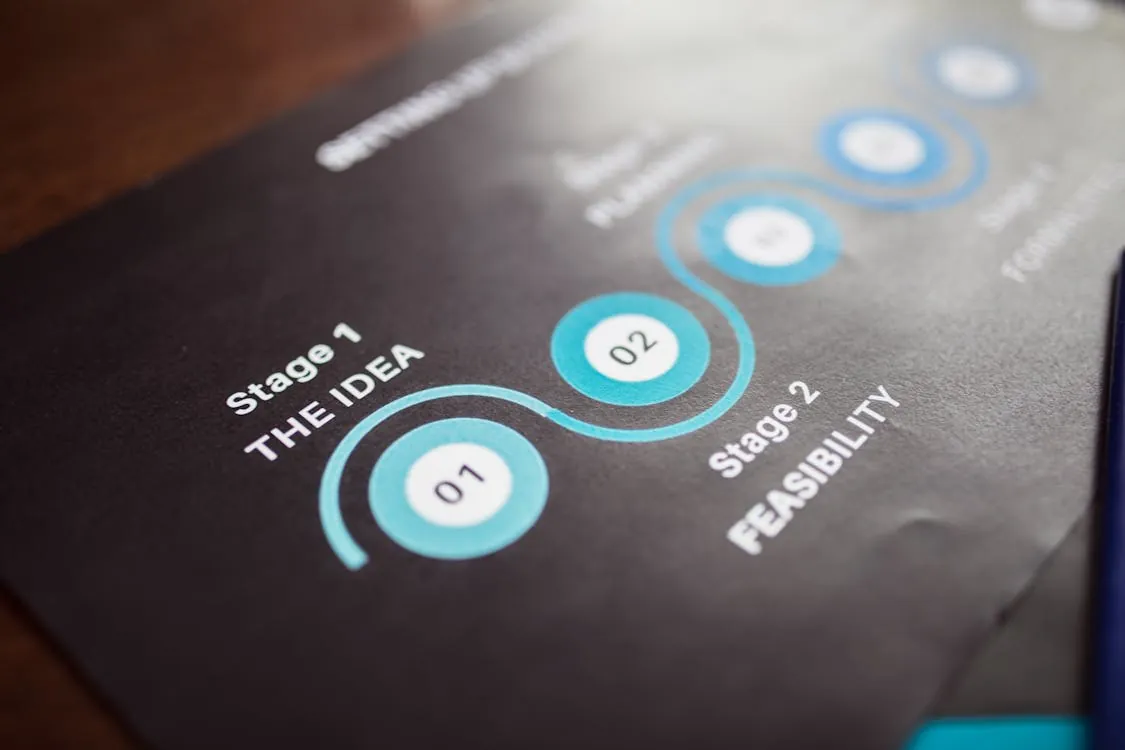
Immigration in Costa Rica is not a one-click affair. Here’s what a realistic timeline looks like for a family:
Day 1-2: Pay the application fee and gather documents. Start with the trickiest items: bank affidavits, insurance policies, and apostilled certificates.Day 3-5: Register and upload everything on TramiteYa (government portal). Technical glitches are common, Chrome works best, and file size limits apply.Day 6-15: DGME (immigration) reviews your file. If anything is missing or unclear, you’ll be notified within 8 days. Add a week if you need to resubmit or clarify documents.Day 16-20: Approval email received. You now have 90 days to enter Costa Rica (if applying from abroad) or to visit DGME for in-country accreditation.Within 90 days: Arrive in Costa Rica, complete fingerprinting and photo at DGME San José, and get your DIMEX resident card, your pass to banking, driving, and healthcare.
Plan for delays during the January-March peak period or if you’re missing key documents. For families, apostilles and certified translations are the usual bottlenecks. According to Costa Rica Board’s 2026 guide , adding a 2-3 week buffer is wise. For a deeper dive on timelines, see our Rentista Visa timeline breakdown for families.
Top Spanish Cities for Digital Nomad Families (and How They Compare)
Spain’s Digital Nomad Visa is now among the most family-accessible in Europe, and many families compare it directly with Costa Rica for the blend of lifestyle, education, and infrastructure. Here’s what stands out in Spain for 2026:
Valencia: Affordable city (central rents €900-€1300/month), parks, beaches, and international schools. Safe cycling and a strong expat community.Valencia: Green spaces and affordable living attract digital nomad families. Madrid: Cosmopolitan capital with excellent healthcare, schooling, and parks (Retiro Park). Chamberí and Salamanca are top family neighborhoods.Barcelona: Urban beaches, international schools, and active parent/expat groups. Neighborhoods like Gràcia and Eixample are favorites. Málaga & Costa del Sol: Year-round sun, strong international school presence, and relaxed, outdoor lifestyle.
Other notable Spanish picks include Seville (affordable, historic, slower pace) and Alicante. Each city’s appeal depends on your priorities: affordability, international schooling, or Mediterranean climate. For a full rundown, see our in-depth Spain guide for digital nomad families .
Long-Term Residency & Citizenship: Costa Rica Prospects and Alternatives
Here’s the tough truth: Costa Rica’s Digital Nomad Visa does not lead directly to permanent residency. After two years, you must either leave or switch to a different status, most commonly, the Rentista or Pensionado categories. For families with a long-term vision, this is the key difference compared to Spain or Portugal’s digital nomad visas.
Long-term options for Costa Rica:
Rentista Residency: Requires $2,500/month in guaranteed income (for two years) or a $60,000 deposit in a Costa Rican bank. Leads to permanent residency after three years (see full guide).Pensionado Residency: For retirees with a pension of at least $1,000/month. Quicker PR path and access to the national healthcare system (CAJA).Inversionista Residency: Invest $150,000+ in Costa Rican real estate, business, or forestry. PR after three years.
To become a citizen, you need seven years of legal residency, basic Spanish proficiency, and integration into local life. Dual citizenship is allowed, an advantage for American families. For a deep dive on PR and citizenship pathways, see our Costa Rica & Spain residency guide .
Costa Rica vs Spain: Digital Nomad & Family Residency Programs
Criteria
Costa Rica Digital Nomad
Costa Rica Rentista
Spain Digital Nomad
Source
Min. Income (main applicant)
$3,000/month (single)
$2,500/month
€2,849/month (+€1,069/adult, +€357/child)
CostaRicaBoard ,
Family Inclusion
Spouse, children
Spouse, children
Spouse, children, dependents
CostaRicaBoard
Initial Duration
1 year (renewable 1 year)
2 years (renewable)
1-3 years (renewable up to 5)
SesameDisk
Permanent Residency
Not measured
After 3 years
After 5 years
SesameDisk
Citizenship Eligibility
7 years (if switch to PR)
7 years
7-10 years
SesameDisk
Healthcare Access
Private insurance only
Enrolled in CAJA after PR
Private insurance required,
CostaRicaBoard
Taxation Model
Territorial (no tax on foreign income)
Territorial
Worldwide (taxes global income)
CostaRicaBoard
Key Takeaways
Key Takeaways:
The Costa Rica Digital Nomad Visa is ideal for families seeking a flexible, low-tax, tropical base, but does not offer a direct path to permanent residency or citizenship.
Document preparation is the biggest stumbling block. Apostilles, affidavits, and certified translations are non-negotiable.
Families aiming for long-term settlement should consider switching to Rentista, Pensionado, or Investor categories after their nomad visa, or compare with Spain’s Digital Nomad Visa for EU access and schooling.
Top Spanish cities for digital nomad families (Valencia, Madrid, Barcelona, Málaga) offer world-class infrastructure, but with higher income requirements and global taxation.
Plan for a 1-2 month application process, but expect 3-5 months if any document is missing or needs re-issue and translation.
For official requirements and the latest updates, visit Costa Rica’s DGME immigration portal and the Costa Rica Board’s Digital Nomad Guide . For a detailed comparison of family pathways, also see our Rentista Visa guide and Spain’s Digital Nomad Visa checklist .