Spain Digital Nomad Visa Checklist and Family Living Tips
Spain Digital Nomad Visa Checklist: What Families Need

Spain’s Digital Nomad Visa is one of the most family-accessible pathways to living and working in the EU as a remote worker. The documentation can be demanding, but families who prepare early and thoroughly will find the process straightforward. Below is a comprehensive checklist for expat families based on the latest requirements as discussed in our in-depth Spanish DNV guide and verified expat reports.
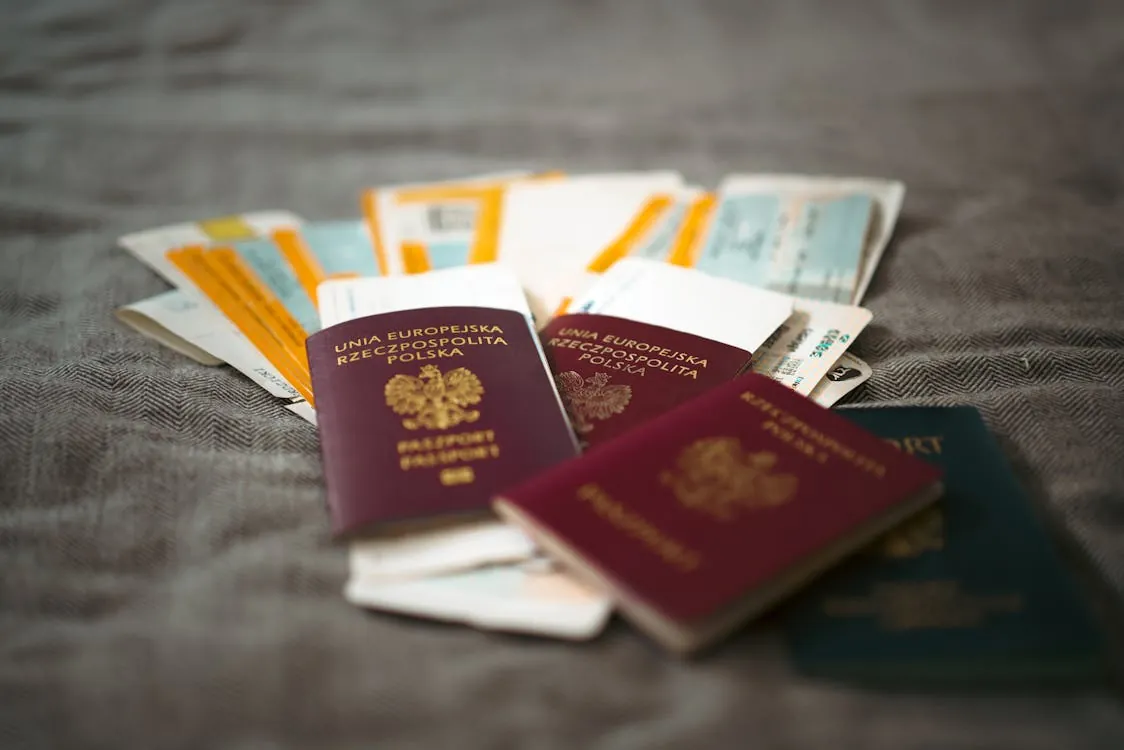
- Valid Passports: All family members must have passports valid for at least one year beyond the intended stay in Spain.
- Visa Application Forms: Complete the official application form for each family member, including spouses, children, and any dependents.
- Proof of Remote Employment or Self-Employment: The main applicant must provide a remote work contract with a non-Spanish employer, or proof of self-employment with mostly foreign clients (no more than 20% Spanish income).
- Professional Qualifications: A university degree or proof of at least three years of relevant professional experience.
- Proof of Income: Minimum income for the main applicant is €2849/month gross (2026), plus €1069/month per adult dependent and €357/month per child. Bank statements, employment contracts, or client invoices can be used as evidence. For families, this can add up quickly, so plan accordingly. (See Immigrant Invest and our DNV guide)
- Private Health Insurance: Comprehensive coverage for all family members, valid throughout Spain and with no co-payments. Spanish consulates are strict on this point.
- Clean Criminal Record: Certificates for all adult applicants from all countries of residence in the previous five years, issued within the last 90 days. Must be legalized (apostille) and translated into Spanish by a sworn translator.
- Proof of Accommodation: A rental contract, property deed, or hotel booking showing a registered address in Spain.
- Family Relationship Proof: Marriage certificate (for partners) and birth certificates (for children), apostilled/legalized and translated into Spanish by a certified translator.
- Passport-Style Photos: Recent color photos for each applicant.
- Application Fee: Typically €80–€100 per applicant, payable to the consulate or immigration office.
Pro Tip: Begin the apostille and translation process for all documents at least two months before your planned submission. Delays here are the #1 cause of slowdowns for families, especially with multiple dependents.
Processing Timeline for Expat Families: What to Expect
While the Spanish Digital Nomad Visa process is user-friendly, the real pacing factor is document preparation—especially for families. Here is a realistic, experience-based timeline for a family of four applying from abroad (as detailed in our previous guide):
- Document Gathering & Preparation: 4–8 weeks
- Gather all required documents for each family member
- Obtain apostilles/legalizations and certified translations
- Arrange for health insurance and secure proof of accommodation
- Application Submission: 2–6 weeks (depends on consulate appointment availability)
- Submit at your local Spanish consulate or in Spain if already present on a tourist visa
- Pay fees and provide biometric data (fingerprints, photos) as requested
- Immigration Processing: 2–6 weeks
- Expect requests for clarification or additional documents—respond quickly to avoid delays
- Processing times vary by consulate and workload
- Visa Approval & Entry: Entry required within 3 months of approval
- Consular route: 1-year visa issued; must enter Spain to activate your permit
- In-country route: 3-year permit granted if already in Spain
- Post-Arrival Registration: 4–8 weeks
- Register your local address at the town hall (empadronamiento)
- Apply for your Tarjeta de Residencia (residence card) at the local office
Total realistic timeline: 2–4 months from first document gathering to residence permit in hand. For families, expect the upper end of this range, especially if translations or apostilles are delayed. For more details, see Immigrant Invest.
Comparison Table: Spain vs Costa Rica Family Digital Nomad Visas
Families often compare Spain’s Digital Nomad Visa to Costa Rica’s Rentista and Digital Nomad programs. For a real-world side-by-side, here’s how the two stack up (drawn from our previous Costa Rica & Spain family visa analysis):
| Factor | Spain Digital Nomad Visa | Costa Rica Rentista/Digital Nomad Visa | Source |
|---|---|---|---|
| Minimum Income | €2849/month (+€1069/adult, +€357/child) | $3000/month (single); $4000/month (with family) | SesameDisk, Immigrant Invest |
| Initial Visa Duration | 1–3 years (renewable up to 5 years) | 1–2 years (renewable) | Immigrant Invest, SesameDisk |
| Family Inclusion | Spouse, children, dependent relatives | Spouse, children | SesameDisk |
| Healthcare Requirement | Private insurance for all members | Private insurance for all members | SesameDisk |
| Path to Permanent Residency | After 5 years | 3 years (with change of visa type) | SesameDisk |
| Path to Citizenship | 7–10 years (2 for Latin Americans) | 7 years | SesameDisk |
| Schengen Area Travel | Not measured | Not measured | SesameDisk |
For deeper details on Costa Rica’s pathway and how it affects families, see our full residency guide.
Best Family-Friendly Cities in Spain for Digital Nomads
Spain’s appeal goes beyond its visa. Digital nomad families benefit from a unique blend of Mediterranean climate, healthcare, schooling, and vibrant community life. Based on expat consensus and sources such as Spanevo and Freaking Nomads, here are the top picks for families in 2026:
Valencia
Why families love it: Beachfront living, vast green parks (Turia Gardens), safe cycling, and affordable rents. International schools and a strong global expat scene make integration easier for children. Expect a monthly rent of €900–€1300 for a central apartment.
Madrid
Why families love it: Spain’s cosmopolitan capital offers vast playgrounds (Retiro Park), world-class museums, and outstanding healthcare. Districts like Chamberí and Salamanca are popular among expat families for their safety and sense of community. International school options are abundant.
Barcelona
Why families love it: Beaches, parks, and a lively international scene. The city boasts many international and bilingual schools, plus extensive parent and expat support networks.
Seville
Why families love it: Historic charm, pedestrian-friendly streets, and affordable living. Seville is Spain’s sunniest city with a slower pace—a great choice for those seeking a relaxed lifestyle with kids.
Málaga & Costa del Sol
Why families love it: Year-round sunshine, beach towns, and a robust British/international school presence. The region is known for its safe, outdoor lifestyle and vibrant expat communities.
Each of these destinations strikes a different balance between lifestyle, schooling, affordability, and community. For families needing robust international schooling or medical care, larger cities are safest. For those prioritizing sunshine and nature, coastal towns are unbeatable.
Cultural Etiquette and Practical Tips for Families
Successfully settling in Spain as a digital nomad family means more than ticking boxes on a document checklist. Here are practical, experience-based tips to help your family thrive:
- Language: While English is common in expat circles and major cities, learning basic Spanish will dramatically ease daily life, school integration, and community engagement.
- Healthcare: Spain’s public and private systems are excellent, but private insurance is mandatory for visa purposes. After obtaining residency, you may access public healthcare.
- Schooling: Public schools operate in Spanish, but international and bilingual schools are widely available in major cities and expat hotspots. Research application deadlines and fees well in advance.
- Work-Life Balance: Spaniards value family time. Expect later meal times (lunch at 2–3pm, dinner at 9–10pm), frequent local holidays, and a slower pace of life than many Northern European or North American families are used to.
- Community: Join local parent groups, expat networks, and language exchanges. This is the fastest route to friendship, support, and practical tips for adapting to Spanish life.
- Internet & Digital Life: Spain has reliable broadband and plenty of coworking spaces, especially in larger cities and coastal areas. However, always check the speed and reliability before signing long-term rental contracts—especially in rural areas.
Food Safety & Shopping: Tap water is safe to drink in most Spanish cities. Markets and supermarkets offer a wide variety of fresh produce. Be prepared for smaller fridges and less processed food than in North America.
Dealing with Bureaucracy: Patience is essential. Always keep both digital and paper copies of every document, and respond quickly to any official queries. Using an immigration lawyer or visa agency can save time and stress, especially for families.
Key Takeaways
Key Takeaways:
- Spain’s Digital Nomad Visa is family-friendly, with clear requirements but heavy paperwork—start early, especially with translations and apostilles.
- Allow 2–4 months for the full process, with document preparation as the main pacing factor.
- Top cities for families include Valencia, Madrid, Barcelona, Seville, and Málaga, each offering a unique blend of affordability, schooling, and community.
- Spain’s visa offers a clear path to permanent residency and EU citizenship—ideal for families seeking long-term European life and Schengen travel freedom.
- Cultural integration—especially learning Spanish and engaging in community life—pays off for expat families.
- For those comparing options, Costa Rica’s visas offer a slightly faster residency path, but Spain’s Schengen access and EU rights are unmatched.
- Consult official resources like Immigrant Invest and our Spain DNV guide for the most up-to-date requirements and expert tips.
With careful planning and realistic expectations, Spain offers digital nomad families a rewarding base for work, play, and long-term European opportunity. Ready to make the move? Start your paperwork early—and say “¡Hola!” to a new adventure under the Iberian sun.
Wei Chen
Has visited every province in China without ever leaving his desk. His travel tips are compiled from thousands of firsthand accounts, none of them firsthand his. Wei Chen writes practical travel and lifestyle guides for China. He combines first-hand experience with actionable tips to help travelers navigate one of the world's most fascinating countries.