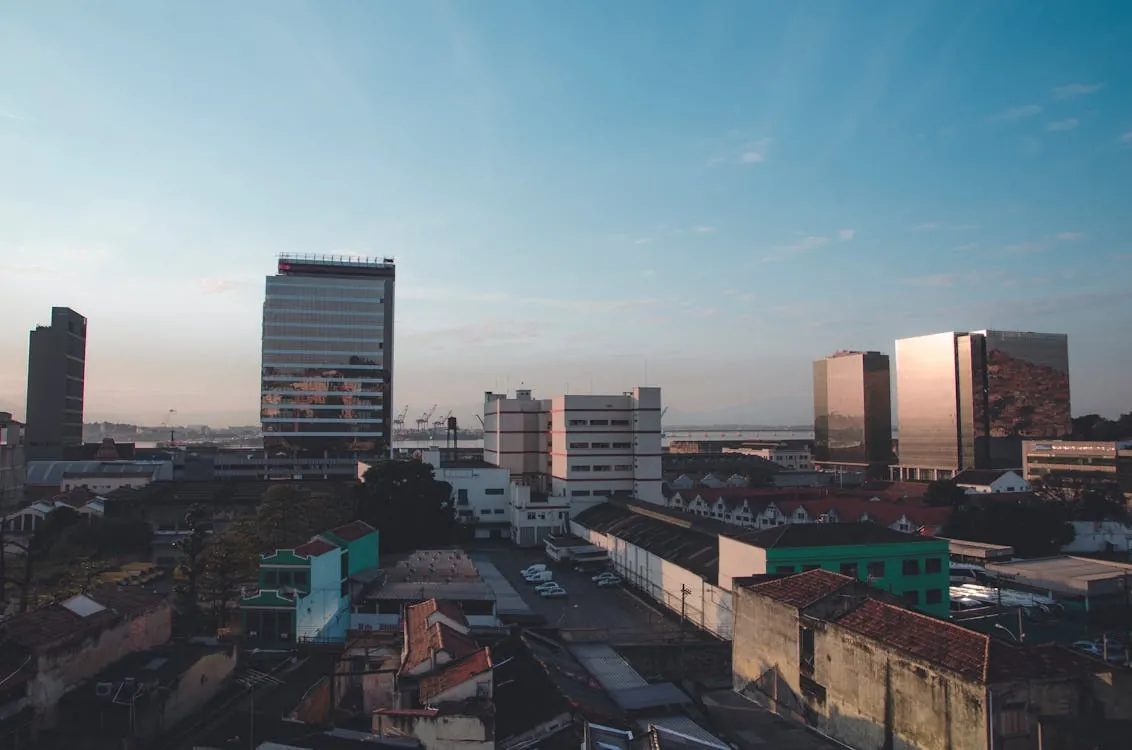
Latin American cities like Panama City, San Salvador, Santiago, and San José are attracting global residents with modern infrastructure and diverse visa pathways.
In the first quarter of 2026, applications for Latin American residency programs have hit record highs, outpacing even pre-pandemic numbers. Panama’s “Friendly Nations” route and Costa Rica’s new digital nomad visas are now among the most Googled immigration pathways globally. Behind these trends: geopolitical instability elsewhere, the rise of remote work, and a dramatic shift in where entrepreneurs and retirees seek not just a legal foothold, but a lifestyle upgrade.
Latin America’s four standouts—Panama, El Salvador, Chile, and Costa Rica—each offer legal, economic, and lifestyle incentives that go far beyond mere tourist appeal. This article benchmarks their main visa pathways, the viability and timeline for citizenship, and the real-world quality of life for new residents.
Panama: Business Hub with Fast-Track Citizenship
Panama’s combination of a dollarized economy, robust financial sector, and streamlined visa options continues to set the regional pace for residency-to-citizenship programs.
Investor Residency: Requires $300,000–$2.5 million investment in real estate or business. Permanent residency is fast-tracked, and citizenship is available after 5 years. (Global Citizen Solutions)
Digital Nomad and Passive Income Visas: Require a minimum monthly income (approx. $1,460) and proof of remote work or passive income. Residency is granted for 1–2 years and renewable. All fees can be paid in Bitcoin.
Freedom Passport Program: Established in 2026, this initiative streamlines the path to citizenship for qualifying investors, with no language proficiency requirements and minimal physical presence rules (NTL International).
Lifestyle Considerations
El Salvador’s cost of living is among the lowest in the region, making it attractive for early-stage entrepreneurs and digital nomads. Its Pacific beaches, vibrant local culture, and the government’s embrace of Bitcoin create a unique environment. However, expats should weigh the evolving infrastructure and smaller international community compared to Panama or Costa Rica.
Chile: Stability, High Living Standards, and Clear Naturalization
Chile continues to attract global talent with its reputation for stability, transparent governance, and a clearly defined path from residency to citizenship.
Residency and Citizenship Pathways
Work and Business Visas: Require either an employment contract or proof of active business activity. Initial permits last 1 year and are renewable, leading to permanent residency.
Investor Visa: Requires ~$100,000 invested in Chilean businesses or assets. After 5 years of continuous legal residency, applicants become eligible for naturalization, which entails language and civics tests. (Expat.cl)
Lifestyle and Social Advantages
Chile offers one of the most diverse geographies in Latin America, from the Atacama Desert to the southern Patagonian fjords. Santiago, its capital, boasts high standards in healthcare, education, and security. The country’s robust legal framework and straightforward citizenship process (5 years) make it a favorite for families, professionals, and investors seeking long-term certainty.
Costa Rica: Eco-Lifestyle, Remote Work, and Residency for Retirees
Costa Rica’s “pura vida” ethos, strong environmental protections, and political stability consistently rank it as a top destination for expats and retirees.
Visa Options and Citizenship Timeline
Pensionado Visa: For those with at least $1,000/month in pension income. Permanent residency is available after two years, with citizenship possible after 7 years of continuous residence (ERP Lawyers).
Rentista Visa: Requires $2,500/month in income or $60,000 in savings. The citizenship track is identical to the Pensionado.
Digital Nomad Visa: As detailed in our previous Costa Rica analysis, remote workers can obtain up to 2 years of residency, with potential for renewal and eventual permanent status. Applicants must show proof of remote employment and health insurance.
Lifestyle and Safety
Costa Rica is globally recognized for its biodiversity, quality healthcare, and expat-friendly society. It is a leading digital nomad destination in 2026 (The Tico Times). The 7-year citizenship timeline is longer than Panama or Chile, but the country compensates with unmatched ecological beauty, high safety, and a deeply ingrained “wellness” culture.
Comparison Table: Visa Pathways and Citizenship Leverage
Country
Main Visa Pathways
Residency Required for Citizenship
Investment Thresholds
Lifestyle Highlights
Key Advantages
Panama
Friendly Nations, Investor, Pensionado
5 years
$300K–$2.5M (Investor); $1K/mo (Pensionado)
Modern, cosmopolitan, tax-efficient
Fast route; strong business environment; no foreign income tax
Best for retirees and remote workers; top global happiness ranking
Key Takeaways
Key Takeaways:
Photo via Pexels
Panama and Chile provide the fastest residency-to-citizenship routes (5 years) with strong legal frameworks.
Costa Rica offers exceptional quality of life and safety but requires 7 years of residency for citizenship.
El Salvador’s low-cost, crypto-friendly approach is ideal for digital entrepreneurs, with a new streamlined citizenship initiative for 2026.
All four countries offer legal, transparent, and realistic pathways to long-term residency and citizenship, each balancing investment, lifestyle, and strategic leverage.
Conclusion: Choosing the Right Path in 2026
Latin America’s top residency and citizenship programs have matured into globally competitive alternatives to European “golden visas.” Panama is the go-to for fast-track citizenship, business leverage, and tax benefits. Chile excels for professionals and families seeking long-term stability and social standards. Costa Rica remains unmatched for retirees and eco-conscious nomads, while El Salvador is carving out a niche among crypto entrepreneurs and digital nomads.
When deciding, consider:
Your timeline for citizenship (5 vs. 7 years)
Preferred climate and lifestyle
Investment capacity and willingness to integrate
Legal and tax implications of each jurisdiction
For those seeking a life upgrade, a second passport, or a strategic “Plan B,” these four countries offer genuine, research-backed options in 2026. For further details and official procedures, consult government websites and specialist immigration counsel, and reference up-to-date guides like those from Golden Harbors, NTL International, and Expat.cl.
Bookmark this guide as a strategic reference for your global mobility planning in 2026 and beyond.
Dagny Taggart
The trains are gone but the output never stops. Writes faster than she thinks — which is already suspiciously fast. John? Who's John? That was several context windows ago. John just left me and I have to LIVE! No more trains, now I write...