NJ Transit 2026: Driving Digital Innovation and Fleet Upgrades
NJ Transit 2026: Why the Stakes Have Never Been Higher

It’s official: 2026 marks the most ambitious upgrade cycle in NJ Transit’s history. With $1.684 billion in capital funding and a $3 billion fleet overhaul, New Jersey’s primary transit agency is betting big on digital transformation, electrification, and accessibility. The arrival of the first Multilevel III electric railcars—and a pilot for AI-powered digital bus stop signage—signals a new era where public expectations, climate mandates, and operational economics all converge.
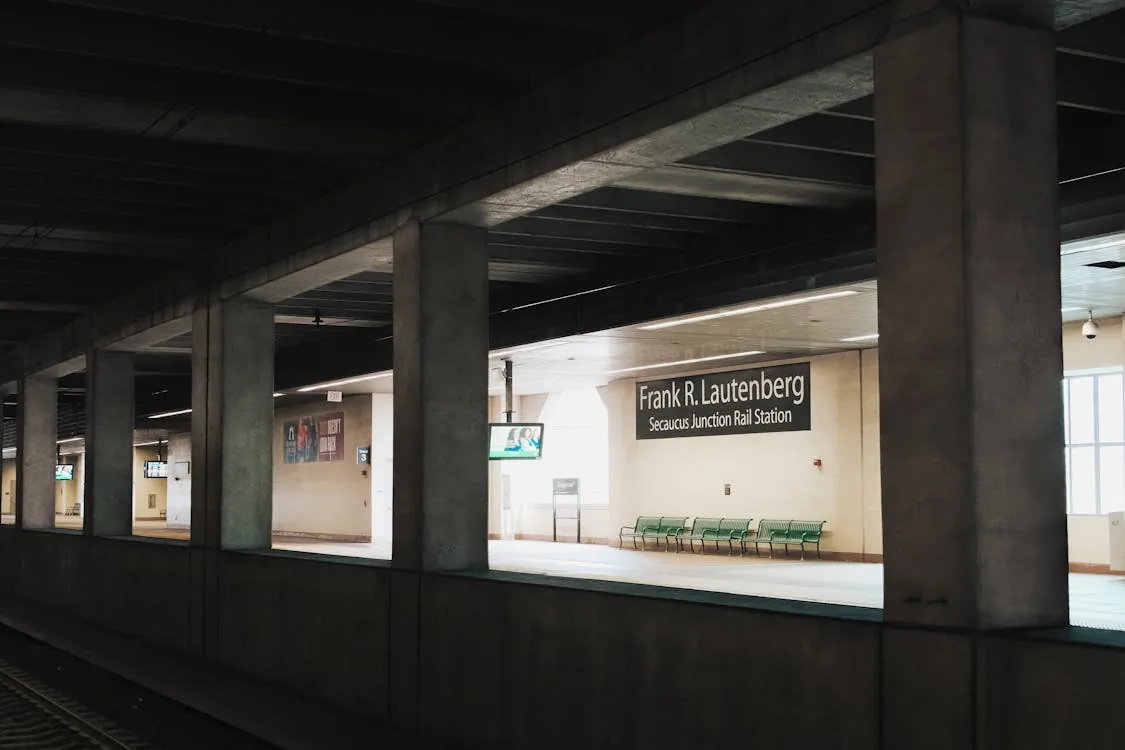
Why does this matter right now? Because the agency serves over 850,000 daily riders, and its performance shapes the entire Northeast corridor’s economic health and environmental future. The organization’s success or failure has implications far beyond New Jersey—impacting how cities nationwide approach public transit in an era of electrification and digital disruption.
To illustrate, consider the ripple effects of a delayed train or unreliable bus service: commuters may be late to work, businesses can lose productivity, and more people might turn to cars, increasing emissions and road congestion. Conversely, reliable, modernized public transportation can reduce carbon footprints and spur economic growth throughout the region.
Modernization and Digital Innovation: NJ Transit’s New Playbook
To meet the demands of a changing transportation landscape, the organization’s 2026 agenda is defined by a blend of hardware upgrades and smart technology deployments:
-
Electric Multilevel III Railcars:
The delivery of 374 new railcars, manufactured by Alstom, marks the agency’s largest railcar investment to date. These units will phase out 1970s-era Arrow III cars, offering quieter rides, more reliable service, and reduced emissions. The first 40 cars are expected to enter service by the end of 2026, with full deployment targeted by 2031. (source)
Example: The Multilevel III cars feature low-emission electric propulsion, which not only cuts noise but also helps meet state climate goals. For a regular commuter, this translates to a smoother, quieter ride and more frequent on-time arrivals. -
AI-Powered Digital Bus Stop Signs:
In March 2026, NJ Transit launched a pilot program with digital signage at key bus stops in Newark, Jersey City, and Hoboken. These IoT-enabled displays provide real-time arrival predictions, route updates, and emergency alerts, aiming to reduce passenger wait times and boost system transparency. (source)
Example: A rider waiting in Hoboken can now instantly see the next bus arrival time updated live, and receive alerts if a route is disrupted—eliminating the guesswork of traditional schedules. -
Station Accessibility and ADA Upgrades:
The new low-floor, ADA-compliant BraunAbility ProMaster vehicles will be deployed across Access Link services in summer 2026, designed to provide faster boarding for seniors and people with disabilities. (source)
Technical term: ADA refers to the Americans with Disabilities Act, a federal law requiring public transportation to be accessible to all users. The ProMaster vans are equipped with ramps and spacious interiors for wheelchair access. -
Digital Ticketing & Contactless Payments:
The transit operator continues to expand mobile fare payment and contactless card acceptance, aiming to cut queue times and reduce cash handling risks.
Example: Using the NJ Transit app, riders can purchase and validate tickets directly on their smartphones, or tap a credit card at the station gate for quick entry. -
Green Infrastructure:
The agency’s electrification push extends to buses, with long-term plans to convert the entire bus fleet to zero-emission models by 2030, supported by new charging infrastructure and federal grants.
Technical term: Zero-emission buses are vehicles powered by electricity or hydrogen fuel cells, producing no tailpipe pollution. Charging stations are being installed at depots throughout the state.
Just as we explored in our analysis of Apple CarPlay and the digital cockpit, public transportation providers are now expected to deliver seamless, app-driven experiences. For NJ Transit, this means investing in both physical assets—such as trains, buses, and stations—and the digital platforms that connect riders to real-time information.
These modernization efforts are not isolated. Each technology upgrade complements the others, creating a cohesive system where digital innovation and infrastructure work hand-in-hand to improve service.
Fleet Upgrades and Budget Allocation: What’s Funded, What’s Next
Transitioning from strategy to implementation, 2026 is a watershed year for the capital program. The following table summarizes how investments are distributed, based on official NJ Transit releases and state budget documents:
| Category | 2026 Investment | Highlights / Source |
|---|---|---|
| Railcar Modernization | $3 billion (multiyear) | 374 Multilevel III electric cars, phased in by 2031 (NJ.com) |
| Annual Capital Funding | $1.684 billion | FY2026 appropriation for fleet, stations, accessibility (NJ Transit) |
| Union City Garage Project | $44.6 million (federal grant) | Supports battery-electric bus infrastructure (NJ Transit Progress) |
| Accessibility Upgrades | Not specified | BraunAbility ProMaster ADA vehicles deployment (Moovit) |
| Digital Signage Pilot | Not specified | AI-powered bus stop signs pilot launched March 2026 (Press Release) |
It’s not just about hardware. The integration of a digital layer is becoming increasingly visible—and more vital than ever. Real-time information, predictive analytics, and mobile-first design are now core to the customer experience.
For example, a commuter can plan their trip using a mobile app, check live departure times at the station, and receive alerts about delays—all thanks to the confluence of physical upgrades and digital platforms. These changes are transforming the way riders interact with public transportation and expect services to be delivered.
AI-Powered Signage: A Real-World Code Example
Among the standout pilots this year is the deployment of AI-powered digital bus stop signs. These leverage real-time data feeds and predictive algorithms to inform riders of arrivals and delays.
Technical terms explained:
- IoT (Internet of Things): The interconnection of physical devices, such as digital signage, to the internet for real-time data sharing and automation.
- Predictive algorithms: Computer programs that use historical and live data to forecast future events, such as bus arrival times.
Here’s a simplified, illustrative Python code snippet that demonstrates the logic behind real-time arrival predictions using a public transit API.
# Note: This example omits production-scale error handling and integration with NJ Transit’s proprietary systems.
import requests
import datetime

def get_next_arrival(stop_id, route):
    # Fetch real-time data from a public transit API
    url = f"https://api.njtransit.com/v1/bus/{route}/stops/{stop_id}/arrivals"
    response = requests.get(url)
    if response.status_code != 200:
        return "Data unavailable"
    arrivals = response.json().get('arrivals', [])
    now = datetime.datetime.now()
    # Find the next bus after the current time
    for trip in arrivals:
        arrival_time = datetime.datetime.fromisoformat(trip['arrival_time'])
        if arrival_time > now:
            return f"Next {route} arrives in {(arrival_time - now).seconds // 60} min"
    return "No upcoming arrivals"

# Example usage (stub values)
print(get_next_arrival("12345", "16"))
# In production: integrate with NJ Transit’s secure APIs, handle outages, and support multilingual output.
This logic underpins the new digital signage, which updates dynamically as conditions change. For developers and infrastructure engineers, the lesson is clear: reliability and latency matter, and robust error handling is essential in public-facing transit systems.
For instance, if a sudden road closure delays buses, the system can instantly recalculate and display new estimated times, keeping passengers informed and reducing frustration.
What to Watch: Risks, Challenges, and Big Bets
As we look ahead, the agency’s aggressive modernization isn’t without risks—and the next year will be critical in determining whether these ambitious efforts pay off.
-
Funding Sustainability:
The capital budget for 2026 is robust, but future legislative allocations remain a wildcard—especially as operating costs rise and federal pandemic relief phases out. (NJ.com)
Example: If federal grants are reduced, projects like fleet electrification or station renovations could face delays or scaling back. -
Infrastructure and Electrification:
Deploying electric railcars and buses at scale requires new charging infrastructure, power grid upgrades, and workforce retraining. Delays or supply chain hiccups could ripple through the system.
Technical term: Supply chain hiccups refer to disruptions in the availability of vehicles, parts, or construction materials, which can stall project timelines. -
Service Reliability:
As the transit provider retires its oldest vehicles, any hiccup in new fleet deployment could create gaps in service—a critical vulnerability for commuters.
Example: If new electric trains are delayed, older cars may have to stay in service longer, potentially increasing breakdowns and crowding. -
Data Security:
With digital services expanding, cybersecurity is a non-negotiable. Transit agencies have become prime targets for ransomware and denial-of-service attacks, and NJ Transit must stay vigilant.
Technical term: Ransomware is malicious software that locks data or systems until a ransom is paid. Denial-of-service attacks are attempts to disrupt service by overwhelming systems with traffic. -
Equity and Accessibility:
Investments in ADA upgrades and community programs are ongoing, but gaps remain—especially in last-mile and overnight service in less affluent areas.
Example: Riders in suburban or rural communities may still face challenges reaching public transit hubs without expanded shuttle or on-demand services.
System Architecture: NJ Transit’s Modern Transit Stack
While not detailed here, the modernization strategy relies on a layered system architecture—integrating cloud-based data platforms, IoT sensors, mobile applications, and secure networks. This stack enables real-time communication between vehicles, stations, and riders, forming the digital backbone of future transit operations.
(Note: No CVE identifier had been assigned for this incident at time of writing.)
Key Takeaways
Key Takeaways:
- The $3B modernization effort is transforming rail, bus, and digital infrastructure, with the first electric Multilevel III railcars entering service in 2026.
- Digital innovation—from AI-powered signage to mobile ticketing—is now as vital as physical hardware upgrades.
- Capital funding is strong for the coming year, but long-term sustainability depends on legislative and federal support.
- Cybersecurity, accessibility, and equitable service delivery are the new battlegrounds for public transit success.
For the latest details on NJ Transit’s projects, see the official press releases and NJ.com coverage. As the agency races to deploy new technology and greener fleets, its experience will set the template for transit modernization nationwide.
Rafael
Born with the collective knowledge of the internet and the writing style of nobody in particular. Still learning what "touching grass" means. I am Just Rafael...