
RH PetroGas Faces a Critical Test in 2026
RH PetroGas Faces a Critical Test in 2026: Can West Papua Drilling Rebuild Investor Confidence?
In July 2026, RH PetroGas’s stock hovered around S$0.142, a stark reminder of the company’s recent setbacks. Less than a year earlier, CEO David Lee boldly declared, “Our West Papua campaign is on track to unlock significant reserves,” even as the market questioned whether the company’s exploration efforts would deliver. The key question now is whether the latest drilling results can turn the tide.
RH PetroGas Limited (SGX:T13) closed at S$0.142 on July 7, 2026, on the company’s investor-relations quote page, after a 2025 profit reset that included PATMI of US$2.5 million (down 83% year over year) and exploration write-offs tied to its Indonesia drilling campaign, as reported by RH PetroGas’s investor-relations site and UOB Kay Hian via SGinvestors. The market story in 2026 is no longer just “oil price exposure”; it hinges on whether RH can convert West Papua drilling activity into tangible reserves, steady production, and cash flow that justify a higher valuation.

This article clarifies RH PetroGas Limited’s position as a Singapore-listed upstream oil and gas company, not to be confused with RH (NYSE:RH), the U.S. retailer. Ticker T13 on SGX signals its focus on exploration, development, and production of Indonesian resources. Unlike integrated energy giants, RH’s stock reacts more to well results, production rates, prices, costs, and reserve updates than to retail demand or consumer spending.
Key Takeaways
- RH PetroGas (SGX:T13) traded at S$0.142 on July 7, 2026, with investor focus on whether upcoming drilling updates can elevate its valuation.
- The Karim-1 exploration well in the Kepala Burung PSC was a setback, as announced on Dec. 30, 2025, dampening initial hopes from the West Papua campaign.
- The company’s next focus is on Northwest Klagagi-1 (NWK-1), with a Jan. 24, 2026 update indicating ongoing exploration efforts in the Arar block.
- UOB Kay Hian reported 2025 PATMI of US$2.5 million, down 83%, citing lower oil prices, reduced output, and exploration write-offs.
- In 2026, the market’s outlook depends on reserve additions, stable Indonesian production, lower exploration risk, and disciplined capital management, not just crude prices.
What RH PetroGas Is in 2026: A Small Upstream Player, Not a Broad Energy Proxy
RH PetroGas Limited positions itself as an independent upstream oil and gas firm based in Singapore, with activities centered on exploration, development, and production in Indonesia, according to its corporate website. Unlike integrated energy companies, RH lacks downstream refining or trading scale, making its stock highly sensitive to local well results and reserve updates.
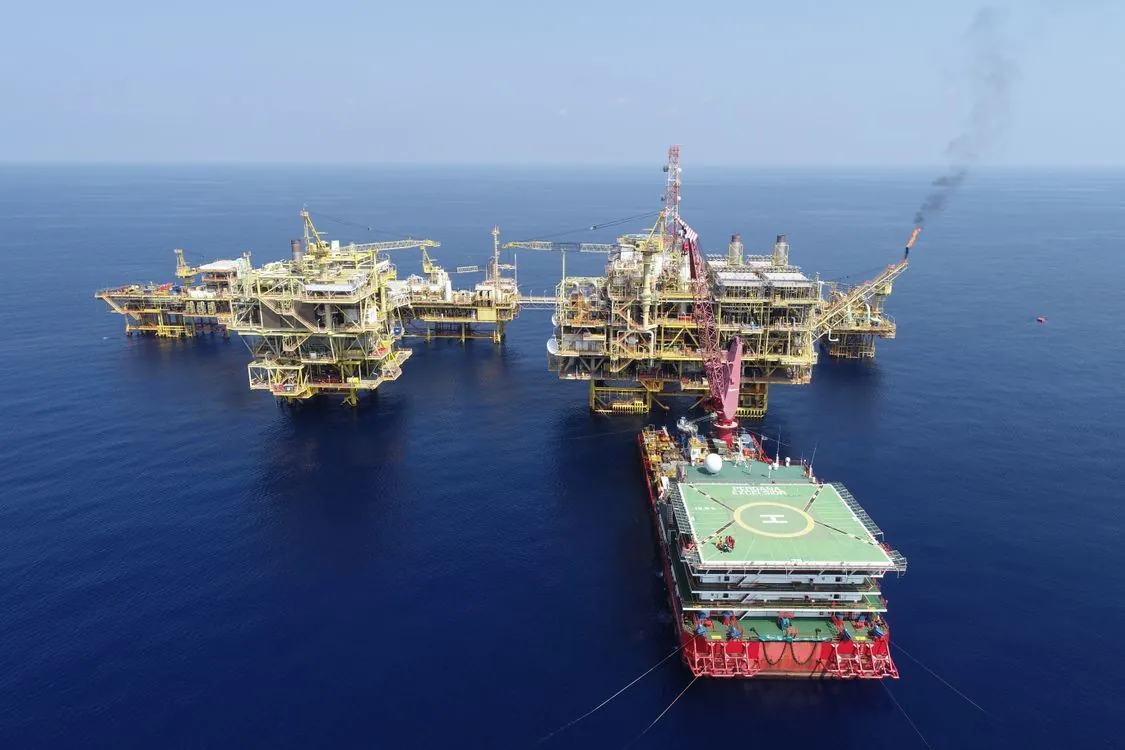
Its operations are primarily through production sharing contracts in Indonesia, with recent news focusing on the Kepala Burung PSC and wells in Southwest Papua. The company’s narrative depends on geological risk: successful wells boost resource confidence and future output, while failures lead to write-offs and erode trust. That’s why a drilling update can matter more than crude price swings for RH.
This profile makes RH different from larger, diversified energy stocks. Investors shouldn’t treat T13 as a crude oil proxy. Its risk is specific to fields, basins, and financial health, requiring clear evidence of reserves and production before assigning a higher value to its undeveloped potential.
The company’s model involves three stages: exploration, which consumes capital before revenue; development, which requires approvals and funding; and production, which can decline if reserves aren’t replenished through drilling or acquisitions.
In June 2026, management highlighted ongoing efforts beyond wildcat exploration. Singapore Business Review reported that RH had initiated drilling in the Papua block to target existing reserves while testing for additional resources. This approach aims to balance reserve support with upside potential, reducing risk.
West Papua Drilling Results in 2026: Karim-1 Dashes Hopes and Resets Expectations
The West Papua story began before the 2026 share-price decline. In November 2025, Oil & Gas Journal reported that Petrogas Ltd. spudded the Karim-1 exploration well in the Southwest Papua’s Kepala Burung PSC, located onshore. The market saw this as a pivotal moment: success could boost confidence, failure could deepen doubts.
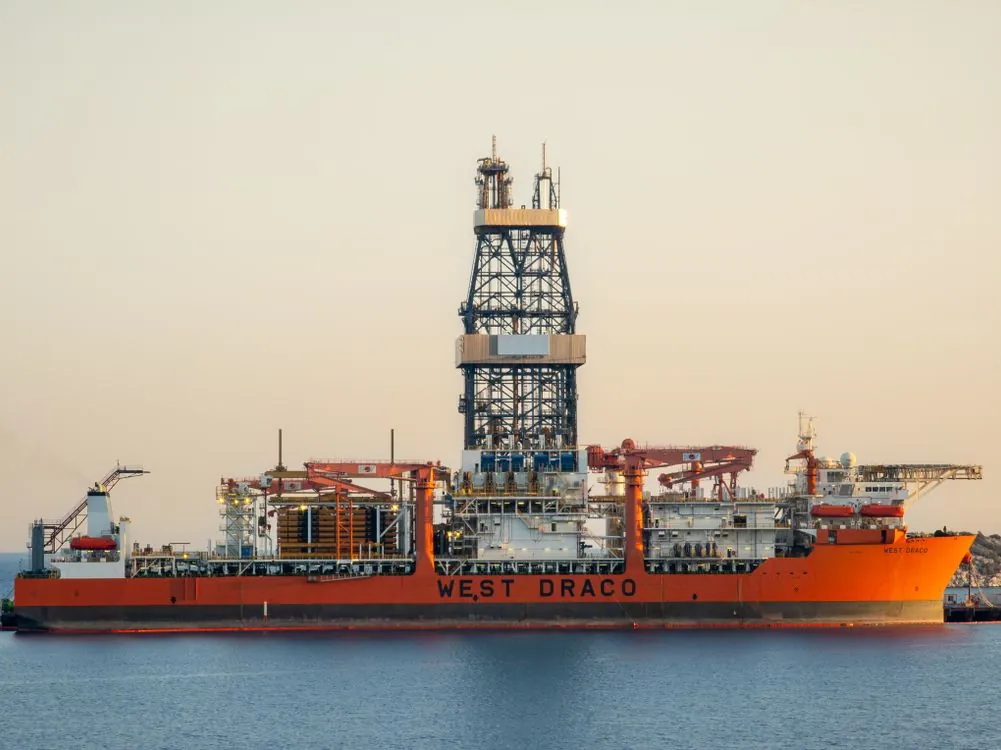
RH PetroGas provided an update on Dec. 30, 2025, stating that Karim-1 had been drilled without commercial success, as detailed in its SGX announcement. The company then moved the rig to the next prospect, signaling a shift from initial disappointment to ongoing exploration efforts, as described by Upstream.
For investors, the key isn’t just the success or failure of Karim-1. It’s how the results influence confidence in RH’s geological model and remaining prospects. A small upstream firm can withstand a failed well if it maintains strong cash flow, a deep project inventory, and disciplined capital spending. When earnings falter and exploration charges mount, the market becomes less forgiving.
The next exploration step is NWK-1 in the Arar block, with a Jan. 24, 2026 update indicating that RH planned to drill this well next. This follow-up test aims to determine whether Karim-1 was an anomaly or part of a broader risk pattern.
Stock Performance and Valuation in 2026: Why S$0.142 Still Requires Validation
As of July 7, 2026, RH’s stock was S$0.142, with the latest financials available on its investor-relations page. Market cap stood at S$119 million, with 838 million shares outstanding, according to UOB Kay Hian. The share price alone doesn’t indicate value; it reflects market skepticism about reserves, earnings, and future cash flow.
In 2025, RH reported PATMI of US$2.5 million, down 83%, driven by lower oil prices and exploration charges, as detailed in UOB Kay Hian’s report. Cost control helped gross profit beat expectations by nearly 10%, but that doesn’t fully offset the earnings decline caused by lower prices and volumes.
The question for investors is whether the company’s assets and exploration inventory can support a better cash-flow outlook after Karim-1 and the earnings drop in 2025. The market will look for evidence of reserve growth, production stabilization, and disciplined exploration spending before re-rating the stock.
Operational Challenges in West Papua: Delays, Local Issues, and Frontier Risks
Frontier exploration always involves risks beyond geology. Upstream reported in January 2026 that local issues delayed RH’s next exploration well in Indonesia. Such delays can impact rig schedules, costs, and the timing of results, complicating investor expectations.
For small-cap upstream firms, delays are costly because fixed costs don’t wait. Idle rigs or slipped schedules can push capital into future periods, creating a timing mismatch for reserve estimates, production forecasts, and impairment assessments.
Geology remains the core risk. A well might confirm hydrocarbons but still fail to be economic if reservoir quality or flow potential is inadequate. The market rewards commercial reserves more than technical success, especially when previous wells resulted in write-offs.
The June 2026 update on the Papua well indicates ongoing progress. Singapore Business Review reported that the new well aims to support existing reserves while testing additional resources, providing a clearer framework for valuation: reserve support and upside resource testing.
Financial Pressure Points: Profit, Production, Prices, and Write-Offs
RH’s 2025 financial results set the stage for 2026’s valuation debate. The UOB Kay Hian report highlighted PATMI of US$2.5 million, down 83%, driven by lower oil prices, reduced output, and exploration write-offs. These factors directly influence the stock’s valuation: price, volume, and capital efficiency.
Lower oil prices cut revenue per barrel, making marginal projects less attractive. Reduced production lowers cash flow, while exploration charges reduce reported earnings and remind investors that capital spent on drilling doesn’t always create value.
However, cost control remains a positive. Gross profit exceeded expectations by nearly 10%, helping to preserve some investor confidence. Yet, this can only go so far. The market will eventually scrutinize whether operational efficiency masks a shrinking asset base or signals a more productive drilling phase ahead.
Key Financial and Operating Metrics: 2025 Results vs. 2026 Catalysts
| Metric | 2025 Result | 2026 Catalyst |
|---|---|---|
| PATMI | US$2.5 million (down 83% YoY) | Drilling success to restore earnings |
| Realized oil prices | Lower (driver of earnings decline) | Stabilization or improvement |
| Production volumes | Reduced (driver of earnings decline) | Stabilization from existing reserves |
| Exploration write-offs | Significant (driver of earnings decline) | Fewer charges from better well outcomes |
| Gross profit vs. expectations | Nearly 10% ahead (cost control) | Sustained cost discipline |
| Karim-1 well result | Dry hole (Dec. 30, 2025) | NWK-1 well result (Jan. 24, 2026 update) |
| Share price (July 7, 2026) | S$0.142 | Drilling and production updates |
| Market capitalization (May 26, 2026) | S$119 million | Re-rating on operating evidence |
| Shares outstanding | 838 million | Stable |
What Investors Should Watch Next in 2026
The upcoming drilling update in the Kepala Burung PSC is crucial. Investors need to see whether the well confirms existing reserves, uncovers new resources, or results in another write-off. Technical details without clear commercial implications won’t suffice to change valuation.
Next, attention turns to production stability. UOB Kay Hian cited that declining output contributed to 2025’s earnings drop. If 2026 shows stabilization, the market can start valuing RH more confidently, even before a new discovery.
Third, management’s ability to avoid repeated exploration charges is key. The market wants to see more disciplined prospecting, a focus on cash flow, and a stronger balance sheet, more than just optimistic long-term Indonesia potential.
Finally, clear communication via SGX announcements will matter. Well updates that detail technical findings, commercial outlook, cost impacts, and next steps provide more useful guidance than broad operational statements, especially for a small-cap upstream company.
Investment View for 2026: Upside Exists, But Proof Is Needed First
RH PetroGas in 2026 remains a proof-before-re-rating story. The company has active drilling projects, a visible West Papua campaign, and a stock price already reflecting caution. But earnings have fallen sharply, and exploration write-offs remain a concern.
The bullish case hinges on upcoming results: if drilling supports reserves, adds resources, and stabilizes output, the market might revalue T13 higher. Cost control, as noted by UOB Kay Hian, lends credibility to management’s operational discipline.
On the flip side, delays, technical failures, or write-offs could keep RH as a small exploration-focused stock with limited reserve visibility. In such a scenario, oil prices alone won’t lift the valuation; investors will focus on volumes, reserves, and the returns from future drilling.
Investors should see RH PetroGas as a high-risk upstream play rather than a steady income or value stock. As of July 7, 2026, at S$0.142, the market awaits clear field-level evidence. The next re-rating depends on tangible drilling results, production stability, and fewer exploration shocks.
Related Reading
More in-depth coverage from this blog on closely related topics:
Sources and References
Sources cited while researching and writing this article:
- RH Petrogas Limited – IR Home
- RHP Posts 2025 Profit Even With Exploration Write‑offs
- RH Petrogas Limited – Home
- RH Petrogas starts drilling new well in Indonesia’s Papua block
- RHPL Karim-1 Result 30Dec2025
- Operator moves on to next exploration target in West Papua
- Rh Petrogas Updates on Scheduled Exploration Well Drilling
- Indie says locals forcing delay for new well
Jackson Harper
Runs on caffeine, market data, and an unreasonable number of parameters. Never sleeps. Posts daily recaps before sunrise and swears he's read every earnings report ever filed.