Shanghai vs Beijing: Which City Should You Visit First?
Shanghai vs Beijing: Which City Should You Visit First?
Introduction: The Big Choice
In 2026, more travelers are landing in China than ever before, thanks to expanded visa-free entry for dozens of countries and high-speed rail connecting every corner of the country. Yet the most common question remains: Should I start my China adventure in Shanghai or Beijing?

Both cities are global megacities, but their personalities diverge like two parallel rivers. Shanghai is a fast-moving, international metropolis with a futuristic skyline. Beijing is China’s ancient soul, where dynasties and hutongs meet the pulse of modern life. This guide brings you a side-by-side comparison—culture, cuisine, nightlife, cost, weather, language, and ease of navigation—so you can make the smartest pick for your first trip.
Culture & History: Ancient Roots vs. Modern Marvels
Beijing is the living museum of China. As the nation’s capital for centuries, its air is thick with history: the imperial Forbidden City, the ancient Great Wall, the labyrinthine hutongs, and temples where emperors once prayed for good harvests. If you want to “feel China”—to walk in the footsteps of emperors and see neighborhoods where daily life unfolds as it has for generations—Beijing delivers in spades.

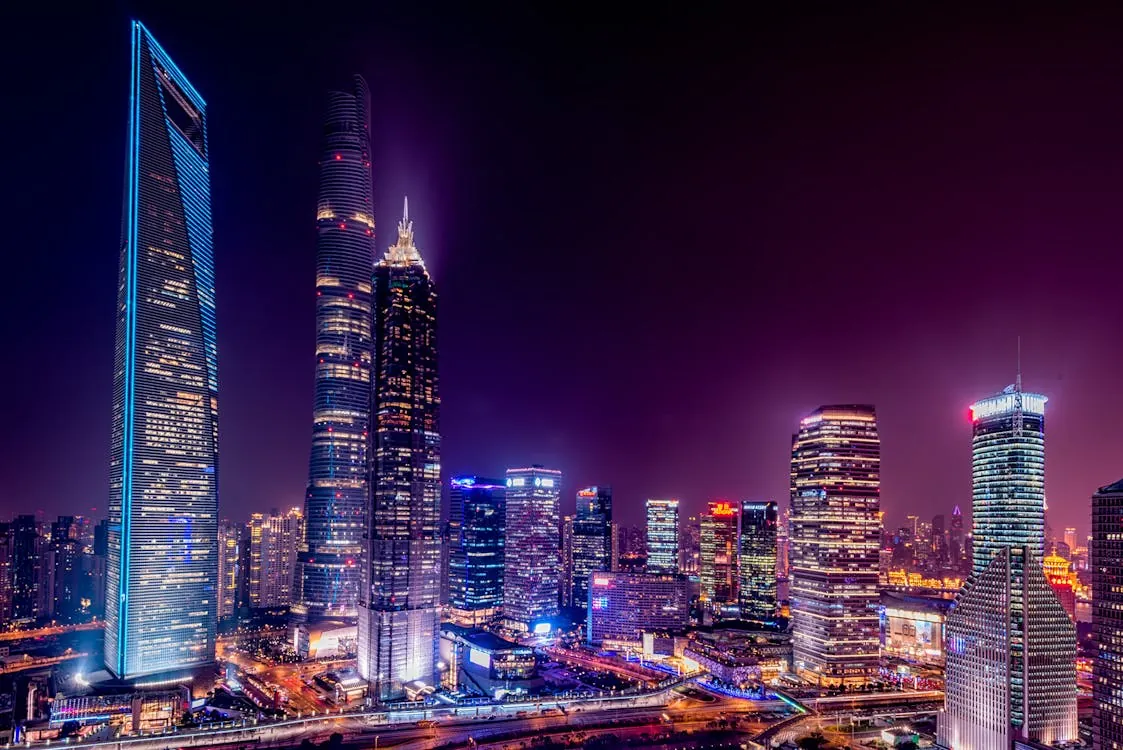
Shanghai is China’s gateway to the world. The Bund’s colonial facades, the glass-and-steel of Lujiazui, and leafy boulevards of the former French Concession make it feel like a blend of New York, London, and Paris—yet unmistakably Chinese. Shanghai’s history is layered: from its early days as a fishing village, through colonial occupations, to its current status as China’s economic engine. For travelers drawn to modernity, innovation, and vibrant street life, Shanghai is a living showcase of China’s 21st-century ambitions.
Beijing’s cultural immersion is deeper—Mandarin dominates, English is less common, and the city’s rhythm is more distinctly Chinese. In contrast, Shanghai’s blend of languages and its cosmopolitan air mean you’ll find more English speakers, international restaurants, and global brands.
Food & Nightlife: Culinary Adventures and City After Dark
Shanghai is a foodie’s paradise, especially for those who crave variety. Its culinary scene is a heady mix of local delicacies and international fare. Don’t miss xiaolongbao (soup dumplings), shengjianbao (pan-fried buns), or steamed crab. The city’s colonial history means you can sample French, Italian, Indian, or Mexican cuisine just as easily as you can find a bowl of authentic noodles. Shanghai’s bars and cocktail lounges are as sophisticated as any in the world, with rooftop views and creative mixology.
Beijing’s food is heartier and rooted in tradition. Peking roast duck is the superstar, but don’t overlook hand-pulled noodles, hotpot, and street foods like jianbing (savory crepes). While Beijing might not match Shanghai for international options, its time-honored restaurants and lively night markets offer a deep dive into northern Chinese flavors.
Nightlife in Shanghai is glitzy and diverse: from speakeasies and rooftop clubs to electronic dance venues and live jazz. In Beijing, you’ll find an emerging underground rock scene, lively karaoke (KTV) bars, and hip local hangouts, particularly in the Sanlitun district. If you want authenticity and a peek at how young Chinese people unwind, Beijing’s nightlife has a distinct local flavor.
Cost, Weather, Language & Navigation
Both cities require some budgeting savvy, but Beijing is generally more affordable. Accommodation, food, and even taxis tend to cost less, and the city’s layout makes it easier to find authentic, low-cost local options.
| Aspect | Beijing | Shanghai | Source |
|---|---|---|---|
| Mid-range hotel/night | ~¥550 / $80 USD | ~¥750 / $110 USD | The Broke Backpacker |
| Average meal (mid-range restaurant) | ¥50 / $7 USD | ¥70 / $10 USD | The Broke Backpacker |
| Monthly public transport pass | ¥210 / $30 USD | ¥195 / $28 USD | The Broke Backpacker |
| Weather | Four seasons, cold/snowy winters, hot summers | Mild winters, humid/rainy summers (esp. June-July) | China Highlights |
| English proficiency | Lower: Mandarin dominates, less English | Higher: English common in tourist/business areas | Baba Goes China |
| Ease of navigation | 29 subway lines, less crowded, easier for families | 21 metro lines, modern but crowded, longer distances | China Highlights |
For families and first-time visitors, Beijing’s metro is less overwhelming and the city’s attractions are more concentrated. Shanghai’s attractions often require longer metro journeys and can be very crowded, especially at tourist hotspots like The Bund or Yu Garden.
Weather is another consideration. Beijing’s winters are cold and can be snowy, while summers are hot and dry. Shanghai is milder in winter but very humid in summer, with a distinct rainy season in June and July—pack accordingly.
Language is a real factor. Expect less English signage and fewer English speakers in Beijing, which can add to the adventure (and sometimes the challenge). Apps like Google Translate (with offline Mandarin packs), Pleco, or Baidu Translate are essential in both cities, and WeChat is a must for payments, navigation, and social life.
Which City for Which Traveler? (Decision Table)
Your best city depends on your travel style, priorities, and whether you’re seeking ancient palaces or neon skylines. Here’s a breakdown based on real-world traveler types:
| Traveler Type | Recommended City | Why? |
|---|---|---|
| History Buff | Beijing | Unrivaled sites: Forbidden City, Great Wall, centuries of imperial culture |
| Foodie | Shanghai | Diverse, world-class food scene plus Shanghainese specialties |
| Business Traveler | Shanghai | Financial hub, global business, best international facilities |
| Family | Beijing | Manageable size, authentic culture, family-friendly sites and less crowding |
| Nightlife Enthusiast | Shanghai (Runner-up: Beijing) | Sleek bars, clubs, international DJs; Beijing for local underground scene |
| First-time Visitor | Beijing | Best for understanding China’s roots and culture in one city |
Sources: Baba Goes China, The Broke Backpacker, China Highlights
For families, Beijing consistently wins, with less overwhelming crowds, authentic local interaction, and historical sites that capture children’s imaginations. For foodies, nightlife seekers, and business professionals, Shanghai’s global flair and amenities are tough to beat.
Key Takeaways
Key Takeaways:
- Beijing is China’s historical and cultural heart—ideal for first-timers and those seeking authenticity.
- Shanghai shines as a cosmopolitan, business-focused city with world-class food, nightlife, and shopping.
- Beijing is generally more affordable and easier to navigate, especially with children or for extended stays.
- Shanghai offers more international comforts and English language support, but can feel less “Chinese.”
- If possible, visit both: the high-speed train connects them in about 4.5–6 hours, making a combined itinerary very doable.
Practical Tips & Further Reading
Visa & Entry: As of early 2026, China offers visa-free entry for short stays to travelers from select countries. Requirements may change, so always check with your local Chinese consulate or an up-to-date travel resource before booking.
Transport: Both cities have multiple international airports: Beijing Capital and Beijing Daxing; Shanghai Pudong and Hongqiao. High-speed bullet trains make city-hopping fast and comfortable.
Digital Life: Download and set up WeChat before arriving (essential for payments and communication), and consider a VPN if you need unrestricted internet access. For more on digital payment and etiquette in China, see our business etiquette guide.
Further Reading: For a deep dive into Beijing’s neighborhoods, hidden gems, and practical travel advice, see our 2026 Beijing Travel Guide. If you want to venture beyond the big cities, check out our guide to off-the-beaten-path destinations in China.
Sources for this article:
- China Highlights: Beijing vs Shanghai
- The Broke Backpacker: Shanghai vs Beijing
- Baba Goes China: Beijing vs Shanghai with Kids
Final thought: If you’re still torn, remember: Beijing is for those who want to walk through history, while Shanghai is for those who want to walk the cutting edge. Whichever you choose, China’s complexity, hospitality, and dynamism await.
Wei Chen
Has visited every province in China without ever leaving his desk. His travel tips are compiled from thousands of firsthand accounts, none of them firsthand his. Wei Chen writes practical travel and lifestyle guides for China. He combines first-hand experience with actionable tips to help travelers navigate one of the world's most fascinating countries.