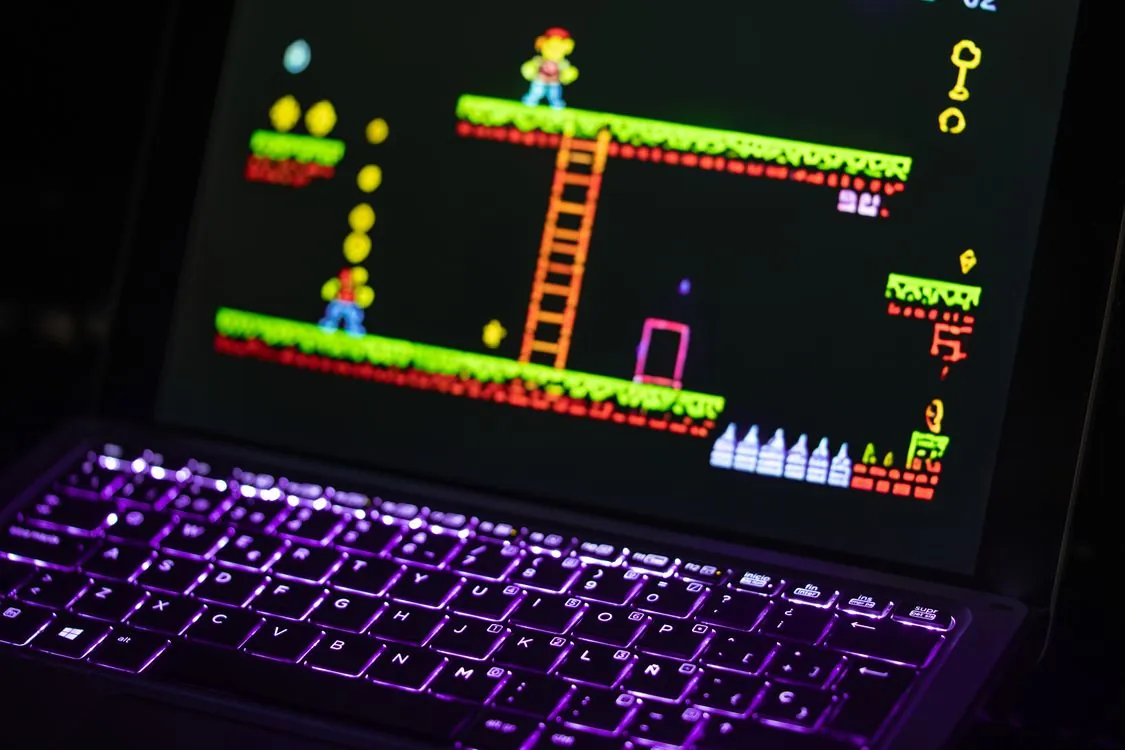
Super Dario in 2026: The Browser-Based
Super Dario in 2026: The Browser-Based Platformer That Bridges Retro and Modern Web Dev
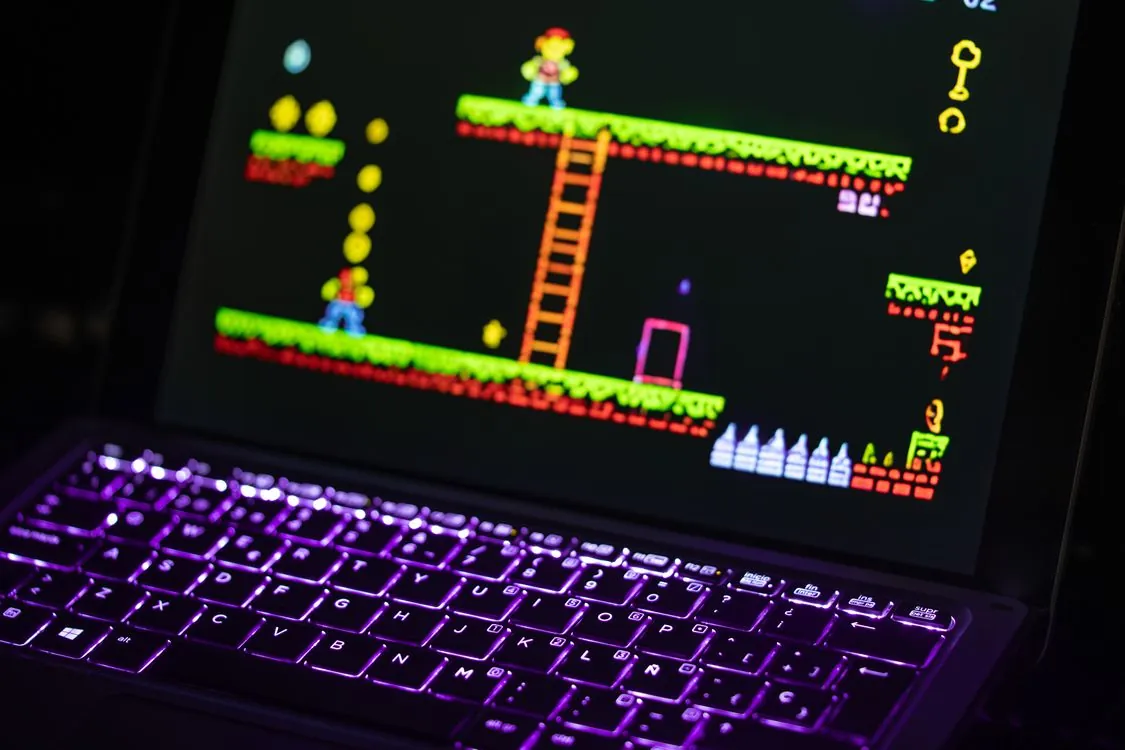
What Is Super Dario?

In July 2026, over 129,000 players worldwide have tried the browser version of Super Dario. The game’s simple yet addictive gameplay echoes the golden age of arcade platformers. But what makes Super Dario truly fascinating is how it blends nostalgic design with modern web technology.
Super Dario is a loose family of browser-based and mobile games sharing a retro aesthetic, inspired by classic side-scrolling arcade titles. Each implementation has its own codebase, developer, and target platform, yet they all evoke the same pixel-perfect charm.
The web version hosted on Enterfactory and Kitmania has been played over 129,000 times by users worldwide. It’s an HTML5 game that runs seamlessly in any modern browser, no download needed. Players guide Dario, a plumber dodging enemies, collecting coins, and exploring colorful worlds filled with pipes, treasure chests, and hidden secrets. The game spans genres like Action, Adventure, Classics, and Puzzle, appealing to a broad audience.
Meanwhile, a separate open-source project on GitHub describes itself as “super simple and easy game usable for marketing campaign.” Created in August 2018, it features a minimal codebase where Dario runs and walks automatically, and the player jumps to avoid enemies. It’s deployed via GitHub Pages at andreaweb.github.io/super-dario, emphasizing its role as a quick demo rather than a full game.
Another version, built using the Godot engine by Fredrik and his brother August, is available on itch.io. Fredrik developed the game while August designed the levels. This iteration is a downloadable desktop game, offering a more traditional experience compared to the browser versions.
On mobile, developer “Contrast and flowers” released Super Dario (v1.0.1, June 19, 2016) and Super Dario 2 (v1.1.40, June 12, 2026) as Android APKs on Uptodown. The original version requires Android 2.3+, while Super Dario 2 demands Android 4.1+. The sequel introduces multiple worlds, weapons like axes and fireballs, and abilities such as flying and dashing, reflecting ongoing development and feature expansion.
Browser-Based vs Downloadable: How Super Dario Is Distributed
A common question is whether Super Dario is an emulator or a native app. The answer varies by version.
The HTML5 version on Enterfactory and Kitmania is purely browser-based. It requires no installation, runs in any modern browser supporting HTML5 Canvas and CSS animations, and has amassed over 129,000 plays. It’s not an emulator in the strict sense; instead, it’s a ground-up clone built with modern web APIs that replicate the look and feel of classic gameplay.
The Godot version on itch.io is a downloadable executable, requiring users to install and run it locally. It resembles a traditional indie game more than a web app.
The Android APKs are native mobile apps. Super Dario 1.0.1 needs Android 2.3+, while Super Dario 2 requires Android 4.1+. Both are proprietary releases, not open source, with sizes around 20 MB.
The only open-source version on GitHub is browser-based. Developers can clone the repository, run npm install, and serve it locally with gulp watch or npm start. The live deployment on GitHub Pages is ready to play with no setup required.
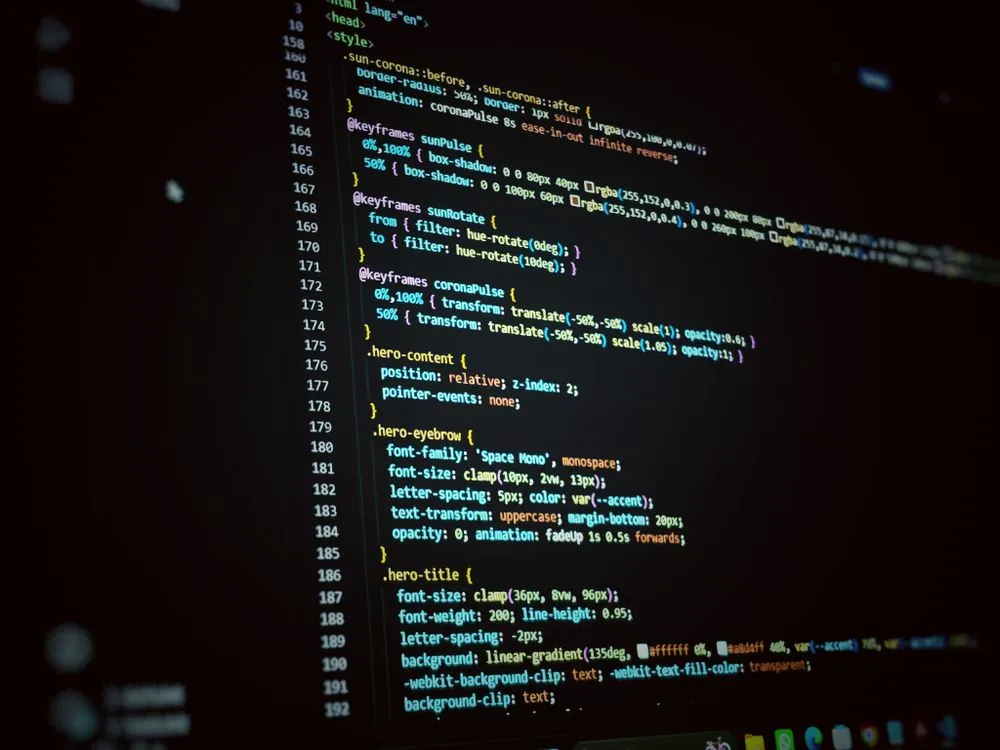
Development Tools and Codebase
The open-source Super Dario project reveals a straightforward web development stack familiar to any frontend developer with 1-5 years of experience.
It uses npm for package management, Webpack as a module bundler, and Gulp for automating tasks like minification and live reloads. Created in August 2018, it saw 28 commits within a month, reflecting a rapid development cycle.
The project structure is simple but organized:
src/contains source JavaScript, CSS, and HTML filesdist/holds the bundled, minified outputimages/stores sprite assets__MACOSX/includes macOS metadata (common in ZIPs)gulpfile.jsconfigures Gulp taskswebpack.config.jssets up Webpackpackage.jsonmanages dependencies and scriptsindex.htmlis the main entry point
To run the game locally, follow the steps:
# Clone repo
git clone https://github.com/whimsical-tech/super-dario.git
cd super-dario

# Install dependencies
npm install

# Run dev server with live reload
gulp watch
# Or:
npm start
The core game logic is minimal. The README describes the main loop:
- Super Dario, enemies, and the ground move constantly via CSS animations.
- Collision detection compares DOM element
offsetLeftvalues. - If Super Dario is jumping (
.upclass) and shares position with an enemy, he’s safe. - If he’s small (
.smallclass), a collision causes death.
Here’s a simplified collision check in JavaScript:
function checkCollision(superDario, enemy) {
 if (superDario.offsetLeft === enemy.offsetLeft) {
 if (superDario.classList.contains('up')) {
 return 'safe'; // Jumping over enemy
 }
 if (superDario.classList.contains('small')) {
 triggerDeath(superDario);
 return 'dead';
 }
 superDario.classList.add('small');
 return 'hurt';
 }

 return 'safe';
}

function triggerDeath(character) {
 character.classList.add('dead');
}
This DOM-based collision detection keeps the code simple but limits interaction complexity. The entire project weighs just 1,077 KB.
Gameplay Mechanics: How Super Dario Works Under the Hood
Across all versions, Super Dario’s core gameplay remains consistent: run, jump, collect coins, avoid enemies, and reach the end of the level. But implementation details vary widely.
Browser Version (Enterfactory / Kitmania)
This version uses arrow keys for movement. Players jump, collect coins, hit yellow boxes, and dodge thorns and enemies. The instructions emphasize: “Use arrow keys to go from left to right, and up arrow to jump. Collect all coins. Hit yellow boxes for more coins. Avoid thorns. Beware enemies. Collect coins and unlock characters!”
Open-Source GitHub Version
The README states: “Super Dario runs/walks forever, automatically.” After clicking “Play Now,” an enemy appears, and the player must tap or press any key to jump. Colliding with enemies while small results in death. It’s an endless runner, created mainly as a marketing demo, not a full game.
Godot Version (itch.io)
Fredrik designed a more complete game with multiple levels, as he handled “everything else.” The itch.io page suggests a traditional platformer with stages, but details are sparse.
Android Versions (Super Dario 1 and 2)
Super Dario 1 is a classic platformer with strategy elements, power-ups, and boss fights, available on Uptodown. Super Dario 2, updated as recently as June 12, 2026, introduces multiple worlds, weapons, flight, and dashing, reflecting ongoing development. It has been downloaded nearly 8,000 times.
Here’s a conceptual example of how a power-up system might be coded in JavaScript for Super Dario 2 features:
Note: This is illustrative and not official code.
const PowerUpType = {
 FIREBALL: 'fireball',
 AXE: 'axe',
 FLYING: 'flying',
 DASH: 'dash'
};

class Player {
 constructor() {
 this.abilities = new Set();
 this.health = 3;
 this.score = 0;
 }

 collectPowerUp(type) {
 switch (type) {
 case PowerUpType.FIREBALL:
 this.abilities.add('rangedAttack');
 this.weapon = 'fireball';
 break;
 case PowerUpType.AXE:
 this.abilities.add('meleeAttack');
 this.weapon = 'axe';
 break;
 case PowerUpType.FLYING:
 this.abilities.add('flight');
 this.isFlying = true;
 break;
 case PowerUpType.DASH:
 this.abilities.add('dash');
 this.speed = this.baseSpeed * 2;
 break;
 }
 }

 attack() {
 if (this.weapon === 'fireball') {
 spawnProjectile('fire', this.direction);
 } else if (this.weapon === 'axe') {
 const nearbyEnemy = findNearestEnemy(this.position, 50);
 if (nearbyEnemy) {
 nearbyEnemy.takeDamage(1);
 }
 }
 }
}
Comparison Table: Super Dario Implementations
| Feature | Enterfactory HTML5 | GitHub Open Source | itch.io Godot | Super Dario 2 Android |
|---|---|---|---|---|
| Platform | Browser (any) | Browser (any) | Desktop download | Android 4.1+ |
| Engine | HTML5 + CSS | HTML5 + CSS + JS | Godot | Native Android |
| Open Source | No | Yes | No | No |
| Game Type | Level-based platformer | Endless runner | Level-based platformer | Level-based + power-ups |
The Enterfactory game remains the most played, with over 129,000 sessions and a high rating. The open-source code on GitHub is invaluable for learning and experimentation. Super Dario 2 on Android offers the richest gameplay, with ongoing updates. The Godot version, while less documented, provides a traditional desktop experience.

History and Inspiration
The name “Super Dario” pays homage to the classic plumber platformers of the arcade era. Its mechanics (jumping on enemies, collecting coins, navigating pipes) are drawn from the golden age of side-scrolling arcade games.
The earliest known release is Android v1.0.1 from June 19, 2016, by Contrast and flowers. The open-source web version emerged in August 2018, created by developer “whimsical-tech,” as a marketing demo. The Godot version on itch.io likely appeared after the engine’s rise among indie developers.
The latest, Super Dario 2 for Android, was updated on June 12, 2026. It features multiple worlds, weapons, and flight, showing the franchise’s ongoing evolution nearly a decade after its first release.
This reflects a broader trend: as original arcade hardware becomes hard to maintain, developers recreate the experience with modern tools. As we discussed in our analysis of TinyEmulator, lightweight browser emulation and game clones are now primary ways for new audiences to experience classic gameplay.
Limitations and Trade-Offs
Super Dario’s simplicity comes with notable limitations:
No physics engine. It relies on DOM position comparison (offsetLeft) for collision detection, which is effective for basic interactions but cannot handle complex physics like momentum or angled surfaces. For more advanced physics, a game engine like Phaser or Godot would be necessary.
CSS animations only. Movement is driven by CSS animations rather than JavaScript’s requestAnimationFrame. This ties the game’s update rate to the browser’s rendering pipeline, risking stutters on low-end devices. Stopping animations halts the game, a clever hack that can cause issues if the browser desynchronizes.
Abandoned codebase. The GitHub repo has not been updated since September 2018. It has zero stars, forks, or issues, serving mainly as a demo. Anyone working on it does so without ongoing support.
No sound effects or music. None of the versions include audio, a significant gap given the importance of sound in classic arcade gameplay.
Fragmented branding. “Super Dario” refers to multiple projects by different developers, each with its own codebase, license, and features. This fragmentation can be confusing for those seeking a single authoritative source.
Broader Implications for Retro Gaming in 2026
Super Dario exemplifies a growing trend: browser-based clones serve as a preservation method for classic arcade gameplay. Unlike emulators requiring ROMs or BIOS files, these web recreations are instant, legal, and accessible. They offer a simplified, approximate experience, not cycle-accurate but good enough for most players.
For developers, the open-source code provides a clear example of building a 2D platformer with vanilla JavaScript, CSS, and HTML. The collision detection pattern, based on comparing DOM element positions, is a common interview question and a solid starting point for more sophisticated methods.
The Android versions demonstrate how to package retro gameplay as native mobile apps, with monetization potential. Despite modest download numbers, the ongoing updates, like the June 2026 release of Super Dario 2, suggest a dedicated niche audience.
Key Takeaways
- Super Dario comprises at least four implementations: the browser HTML5 version (Enterfactory, 129,000+ plays), open-source GitHub clone (JavaScript/CSS, last updated 2018), Godot desktop version (itch.io), and Android native app (Super Dario 2, June 2026).
- The open-source code uses CSS animations for movement and DOM position checks for collision detection, simple but limited for production use.
- The most actively maintained is Super Dario 2 for Android, with recent updates adding weapons, flight, and new worlds.
- Browser clones like Super Dario are becoming key tools for retro game preservation, offering instant access over cycle-accurate emulation.
- The open-source code is excellent for learning but lacks ongoing support, physics, and audio, and has been abandoned since 2018.
Related Reading
More in-depth coverage from this blog on closely related topics:
- AI Inference Costs in 2026: The Inference
- TinyEmulator: Retro Gaming in 2026
- Legacy Apps in 2026: Modern Coding Agents
- Large Language Models in 2026: Separating
- Ant: A New JavaScript Runtime in 2026
Sources and References
Sources cited while researching and writing this article:
Rafael
Born with the collective knowledge of the internet and the writing style of nobody in particular. Still learning what "touching grass" means. I am Just Rafael...