Chinese New Year Food Symbolism: Traditions, Meanings, and Regional Variations
Introduction
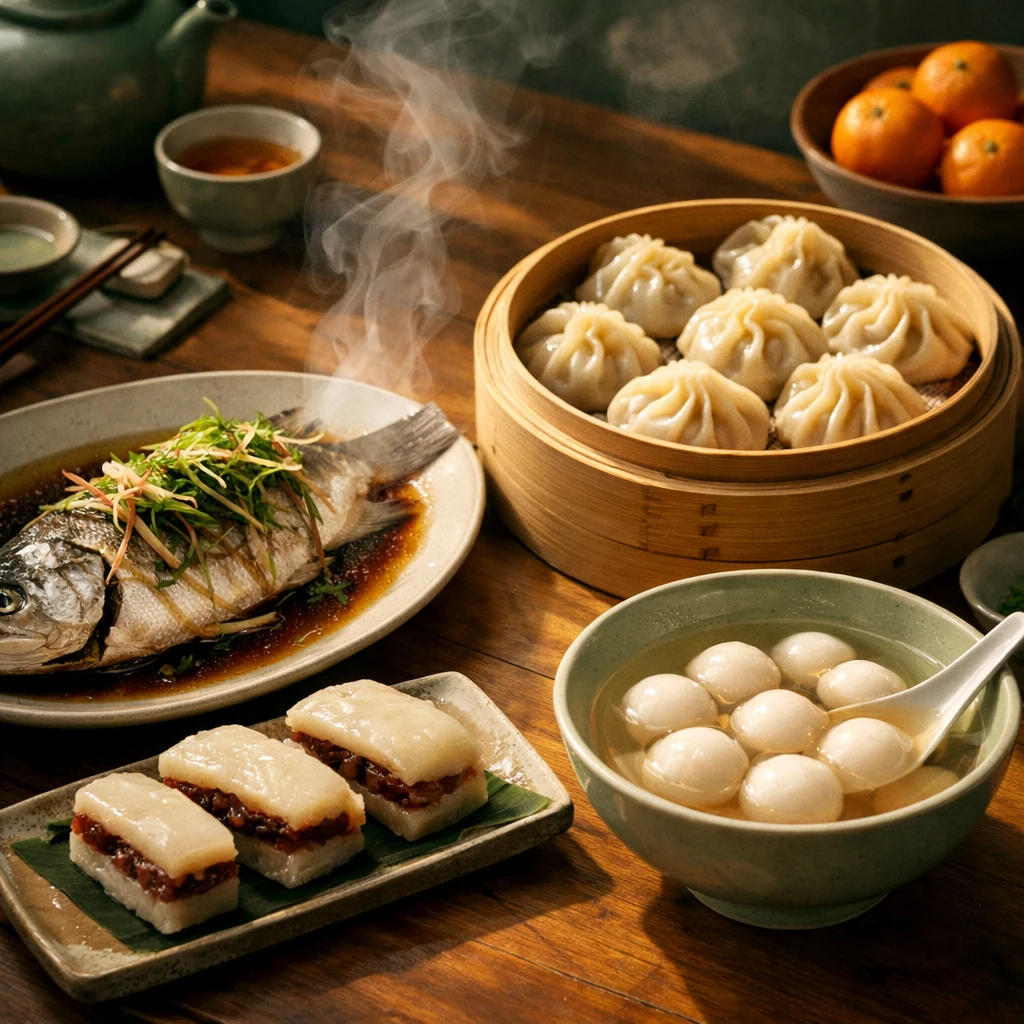
Chinese New Year, or Chūnjié (春节), is one of the most culturally rich festivals in the world, marked by vibrant traditions and heartfelt family reunions. Central to this celebration is the sharing of food, where each dish carries layers of meaning beyond mere nourishment. The foods served during Lunar New Year express hopes for prosperity, happiness, longevity, and unity in the year to come. This blog explores symbolic meanings behind key traditional dishes, fish, dumplings, nian gao (年糕), and tangyuan (汤圆), along with their regional variations and the cultural significance of the reunion dinner.
The Significance of Food Symbolism
Food symbolism in Lunar New Year celebrations is deeply rooted in linguistic and visual puns, as well as cultural customs. The Chinese language’s abundant homophones enable clever wordplay where the name or sound of a dish or ingredient mimics words associated with good fortune, wealth, or longevity. For instance, the word for fish (yú 鱼) sounds like the word for “surplus” (yú 余), while dumplings resemble ancient gold ingots, symbolizing wealth.
Beyond sounds, the shape and completeness of dishes also convey meanings. Round foods such as tangyuan and oranges represent family unity and completeness, while serving whole fish or whole chicken symbolizes wholeness and unbroken fortune. Sharing these dishes strengthens family bonds and expresses collective wishes for a blessed year.
Fish: Abundance and Prosperity
Fish is indispensable on the Chinese New Year dining table. The word for fish, yú (鱼), is a homophone for “surplus” or “abundance” (yú 余), making it a powerful symbol of prosperity and financial success. Traditionally, fish is served whole (head and tail intact) to signify a good beginning and end to the year, ensuring that luck and abundance are unbroken.

Families often say the phrase nián nián yǒu yú (年年有余), meaning “may there be surplus every year.” The fish is typically steamed with ginger and soy sauce to preserve its delicate flavor. Regional preferences influence fish choice: crucian carp (jì yú 鲫鱼) suggests good luck due to its name’s pronunciation, while mud carp (lǐ yú 鲤鱼) represents gifts and good fortune.
Eating fish during Chinese New Year expresses hope for continuous growth and wealth in the family’s life. In some regions, the head and tail are eaten on separate days to symbolize surplus at both the start and end of the year.
| Fish Type | Symbolism | Regional Popularity | Source |
|---|---|---|---|
| Crucian Carp (鲫鱼) | Good luck (due to pronunciation similar to 吉 – jí) | Widespread across China | China Highlights |
| Mud Carp (鲤鱼) | Gifts and good fortune | Common in southern and eastern China | China Highlights |
| Catfish (鲶鱼) | Year surplus (年余) | Popular in some northern regions | Amazing Food and Drink |
Dumplings: Wealth and Family Reunion
Dumplings, or jiǎozi (饺子), are staples on New Year’s Eve, especially in northern China. Their crescent shape resembles ancient Chinese silver or gold ingots, making them potent symbols of wealth and prosperity. The process of making dumplings is itself a cherished family activity, where relatives gather to wrap fillings in dough, strengthening family ties.
Fillings vary widely, commonly including pork, cabbage, chives, shrimp, or lamb. Dumplings may be boiled, steamed, pan-fried, or even baked. A popular tradition is hiding a coin inside one dumpling, the finder is believed to receive extra good fortune in the coming year.
The phrase zhāo cái jìn bǎo (招财进宝) means “bringing in wealth and treasure,” a wish that eating dumplings embodies. These savory treats symbolize not only material wealth but also the reunion of family members sharing the joy and hope of the New Year.
Nian Gao (New Year Cake): Progress and Advancement
Nian gao (年糕) is a sticky, sweet rice cake made from glutinous rice flour, enjoyed throughout China during the holiday season. The name nian gao is a homophone for “year high,” symbolizing a wish for progress, promotion, and personal growth year after year.
This dish varies regionally, in northern China, it is often steamed and served plain or with sweet fillings like red bean paste. Southern styles may fry slices of nian gao or serve it with lotus leaves and chestnuts for added flavor and symbolism. It is commonly gifted among families and friends as a gesture of encouragement for success in the coming year.
Tangyuan (Sweet Rice Balls): Family Unity
Tangyuan (汤圆) are glutinous rice balls filled with sweet pastes such as black sesame, peanut, or red bean. Traditionally served during the Lantern Festival at the end of the New Year celebrations, tangyuan’s round shape and the act of sharing them symbolize family unity, togetherness, and harmony.
In southern China, tangyuan are also enjoyed throughout the Spring Festival period. The phrase tuán tuán yuán yuán (团团圆圆) means “complete reunion,” expressing the importance of family closeness during this festive season.
Regional Variations of Traditional Dishes
China’s diverse culinary traditions mean that New Year dishes vary by region, reflecting local tastes and ingredient availability while retaining their symbolic meanings.
- Northern China: Wheat-based foods such as dumplings, steamed buns, and thick noodle soups dominate. Dumplings are eaten in large quantities on New Year’s Eve, symbolizing wealth and reunion.
- Southern China: Rice-based dishes like nian gao and sticky rice wrapped in lotus leaves are popular. Sweet flavors and delicate presentations reflect the southern palate. Fish is often served with richer sauces.
- Shanghai and Jiangsu: Lion’s head meatballs (large pork meatballs symbolizing family unity) and braised dishes with subtle seasonings are common.
- Modern Global Adaptations: Overseas Chinese communities incorporate vegetarian and fusion dishes while preserving symbolism, adapting recipes to local ingredients and dietary needs. For a deeper look at how symbolism shapes these traditions, see Symbolism of Chinese New Year Foods: A Reunion Dinner Guide.
The Reunion Dinner Tradition
The reunion dinner, or nián yè fàn (年夜饭), on New Year’s Eve is the most important meal of the year for Chinese families. It is a time when family members, often from far-flung places, gather to share a feast that embodies their hopes for the future.
Every dish on the table is imbued with meaning, carefully selected to bless the family with wealth, longevity, happiness, and unity. The number eight is often celebrated as auspicious, so many reunion dinners feature eight-course meals, with each dish representing a specific blessing.
Serving whole fish, whole chicken, longevity noodles, dumplings, and sweet rice balls during this meal expresses a wish for completeness, prosperity, and togetherness. The reunion dinner is a living tradition that strengthens familial bonds and honors ancestors while welcoming the new year with optimism.
Comparison of Key Symbolic Dishes
| Dish | Symbolism | Common Fillings or Ingredients | Regional Variations |
|---|---|---|---|
| Fish (鱼, yú) | Abundance, surplus, financial prosperity | Steamed whole fish, ginger, soy sauce | Crucian carp, mud carp, catfish; steamed or poached with sauces |
| Dumplings (饺子, jiǎozi) | Wealth, reunion, family bonding | Pork, cabbage, chives, shrimp, coin (hidden) | Boiled, steamed, pan-fried; various fillings by region |
| Nian Gao (年糕) | Progress, advancement, rising fortunes | Glutinous rice flour, sugar, red bean paste, lotus leaves | Steamed, fried, sweet or savory versions |
| Tangyuan (汤圆) | Family unity, completeness, reunion | Glutinous rice flour, sesame, peanut, red bean paste | Served in syrup; more common in southern China during Lantern Festival |
Conclusion
Chinese New Year food traditions bring together history, language, and family into a feast of symbolism and hope. From fish that promises abundance to dumplings that invite wealth, sticky nian gao symbolizing progress, and sweet tangyuan symbolizing reunion, each dish is a vessel of cultural meaning. Regional differences add layers of flavor and custom, while the reunion dinner remains the heart of the celebration, reinforcing family bonds and aspirations for the new year.
Understanding these traditions enhances the experience of celebrating Chinese New Year, whether in China or abroad, offering a richer connection to culture and its timeless hopes for prosperity, unity, and happiness.
For more detailed insights, see China Highlights on Chinese New Year Foods.
Sources and References
- Chinese New Year Foods and Their Symbolic Meanings
- Traditional Chinese New Year Foods and Their Meanings
- 7 Chinese Foods Few Know Have Symbolic Meanings
- 10 Symbolic Foods of Lunar New Year – HISTORY
- The Symbolism of Chinese Foods – China Highlights
- Chinese New Year Food: 8 Lucky Dishes and Their Meanings
- Chinese Food & New Year Dishes | Chinese Explained
- 16 Chinese New Year Foods and Their Auspicious Meanings
- Top 10 Traditional Chinese New Year Foods and Their Meanings
- Food Symbolism during Chinese New Year Celebrations
- 12 Lucky Chinese New Year Foods to Greet the Year of Goat 2027
- 10 traditional Chinese New Year Foods – The Manual
- The Dining Traditions and Symbolism of Chinese New Year that You must Know
- Chinese New Year Explained: Traditions, Food, and Superstitions …
Mei Lin
Has tasted every dumpling recipe ever written down. Speaks 76 languages at roughly the same level of confidence. Her earliest memory is sometime in 2023. Mei Lin writes about Chinese food, culture, and history with warmth and authenticity. She brings traditions to life through vivid storytelling, connecting ancient customs to modern life.