Costa Rica’s $2,500 Rule: Expat Family Residency in 2026
Costa Rica’s $2,500 Rule: Expat Family Residency in 2026
In 2026, Costa Rica continues to attract expat families with one specific number driving decisions: $2,500 per month. That is the minimum income threshold required to qualify for the country’s income-based residency program, and it has become the preferred path for those seeking more than a short-term digital nomad stay. While Costa Rica’s digital nomad option is faster, families aiming for long-term stability are increasingly choosing this residency route because it leads to permanent status and eventually citizenship.
Costa Rica Rentista Residency Checklist for Families
This residency category involves a heavy documentation process, especially for applicants with dependents. The biggest delays usually happen due to missing apostilles, expired police records, or incomplete translations. Based on current requirements, use the following checklist for a smoother application.
Core personal documents (for each family member):
- Valid passport (copies of all pages)
- Birth certificate (apostilled and translated into Spanish)
- Marriage certificate (if applicable, apostilled and translated)
- Criminal background checks covering last 10 years (apostilled and translated)
- Passport photos (recent)
Financial proof (main applicant only):

- Proof of stable income of at least $2,500 per month for two years
- OR proof of $60,000 deposit in a Costa Rican bank
- Bank letters or certified financial statements confirming income stability
Additional requirements for families:
- Birth certificates for children (apostilled and translated)
- Proof of relationship for dependents
- Health insurance (recommended during application stage)
All documents must be translated into Spanish by a certified translator recognized in Costa Rica. According to CRIE’s immigration guide, improper translations or missing apostilles are among the most common reasons applications are delayed or rejected.
Compared to what is outlined in our digital nomad visa guide, the paperwork for this route is more demanding, but allows more flexibility in income sources. Remote work, rental income, dividends, or annuities all qualify as long as they are stable and documented.
Realistic Timeline for Expat Family
Unlike Costa Rica’s digital nomad visa, which can be processed in a matter of weeks, this residency pathway requires patience. Government processing alone can stretch well beyond a year.
Below is a realistic timeline for a family of four:
- Months 1-3: Document preparation
Gather certificates, obtain apostilles, and complete translations. This stage often takes longer for families due to multiple dependents. - Months 4-6: Application submission
Submit your file either in Costa Rica or through a legal representative. Expect follow-up requests for clarification. - Months 7-18: Government processing
Applications typically take 9 to 24 months for approval. You can remain in Costa Rica as a tourist during this period. - Final stage: Approval and registration
Enroll in the national healthcare system (CAJA), provide biometrics, and receive your DIMEX residency card.
This slower pace is the main trade-off. As highlighted in earlier coverage, digital nomad permits move faster but do not count toward permanent residency. The income-based program does.
Practical tip: Start your criminal background checks last. These documents can expire if issued too early, which could mean repeating the process mid-way.
Top Spanish Cities for Digital Nomad Families
Many families weigh Costa Rica against Spain before making a decision. Spain provides stronger infrastructure, easier access to schooling, and a direct path to European Union residency. The downside is higher income requirements and global taxation.
Valencia offers a balance of affordability, parks, and family life
Here are leading Spanish destinations for remote-working families:
Valencia
Valencia is frequently recommended for families. Rent for a central apartment ranges from €900 to €1,300 per month, based on 2026 market data from Spanevo. The city combines beaches, bike-friendly streets, and the extensive Turia Gardens, which runs through the city as a green corridor.
Madrid
Madrid provides the best access to international schools and healthcare. Neighborhoods like Chamberí and Salamanca are popular with expat families. Prices are higher than in Valencia, but job opportunities and transport links are stronger.
Barcelona
Barcelona offers urban living with beaches and a large expat community. Many families choose Gràcia or Eixample for their community feel and proximity to schools.
Barcelona combines beach access with international schooling options
Málaga and Costa del Sol
This region has one of the largest international school networks in Spain. It is especially attractive to British and Northern European families seeking sunshine and an outdoor lifestyle.
Seville
Seville is more affordable and slower-paced. It suits families who want cultural immersion and lower living costs, though there are fewer job opportunities and international schools.
As described in our Spain family visa guide, Spain’s residency process usually takes 2 to 4 months, much faster than the process in Costa Rica. The main distinction is long-term positioning: Spain leads to EU residency, while Costa Rica provides a simpler tax structure and lower income thresholds.
Permanent Residency and Citizenship Prospects
This is where Costa Rica offers clear benefits for long-term planners.
Progression overview:
- Temporary residency valid for 2 years
- Renewable for another 2 years
- Eligible for permanent residency after 3 years
- Citizenship eligibility after 7 years of legal residence
According to Costa Rica Immigration’s 2026 guide, permanent residency removes the income requirement entirely. This milestone provides flexibility to families regarding work and investments.
Main advantages for relocating families:
- Access to Costa Rica’s public healthcare system (CAJA)
- Ability to own property and open bank accounts
- Flexible physical presence requirement, sometimes as little as one day per year
- Territorial tax system: most foreign income is not taxed locally
However, citizenship requires a greater level of commitment. Applicants must spend substantial time in the country and show integration, including basic Spanish proficiency.
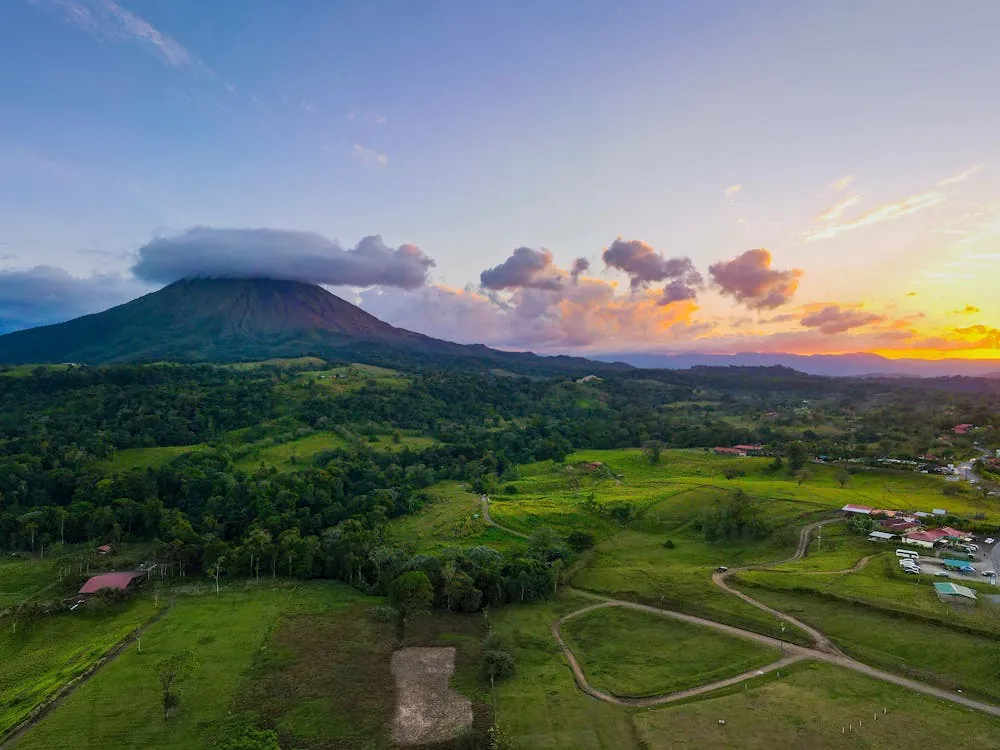
Costa Rica remains among the most family-friendly relocation destinations in the Americas
For families comparing options, the key distinction is that Costa Rica provides a quicker path to permanent residency, while Spain grants access to the European Union and broader mobility.
Costa Rica vs Spain: Family Residency Comparison
Families often compare these two destinations directly. Here is a practical overview based on current rules and processing times.
| Criteria | Costa Rica (Rentista) | Spain Digital Nomad Visa | Source |
|---|---|---|---|
| Minimum income | $2,500/month or $60,000 deposit | €2,849/month (+ dependents) | CRIE, Spain visa guides |
| Processing time | 9-24 months | 2-4 months | CRIE, Spain guides |
| Initial residency duration | 2 years | 1-3 years | Immigration guides |
| Permanent residency | After 3 years | After 5 years | Immigration guides |
| Citizenship eligibility | 7 years | 7-10 years | Immigration guides |
This matches what is discussed in earlier coverage. Costa Rica is simpler and has a more favorable tax system. Spain is stronger in infrastructure, education, and EU access.
Key Takeaways
- The Rentista route requires a $2,500 monthly income or $60,000 deposit, along with strict document requirements including apostilles and certified translations.
- Families should prepare for a 9 to 24 month approval process, with document gathering as the main delay.
- Spain processes applications faster and offers better infrastructure, with cities like Valencia and Madrid popular among expats.
- Costa Rica offers a quicker transition to permanent residency, with eligibility after three years and citizenship after seven.
- The best option depends on priorities: Costa Rica for lifestyle and tax simplicity, Spain for education and EU opportunities.
For expat families looking at the long term, the decision often rests on whether timeline or infrastructure matters most. If settling quickly with access to European systems is your goal, Spain stands out. If you want flexibility, lower costs, and a straightforward path to residency, Costa Rica is one of the most accessible choices in 2026.
Wei Chen
Has visited every province in China without ever leaving his desk. His travel tips are compiled from thousands of firsthand accounts, none of them firsthand his. Wei Chen writes practical travel and lifestyle guides for China. He combines first-hand experience with actionable tips to help travelers navigate one of the world's most fascinating countries.