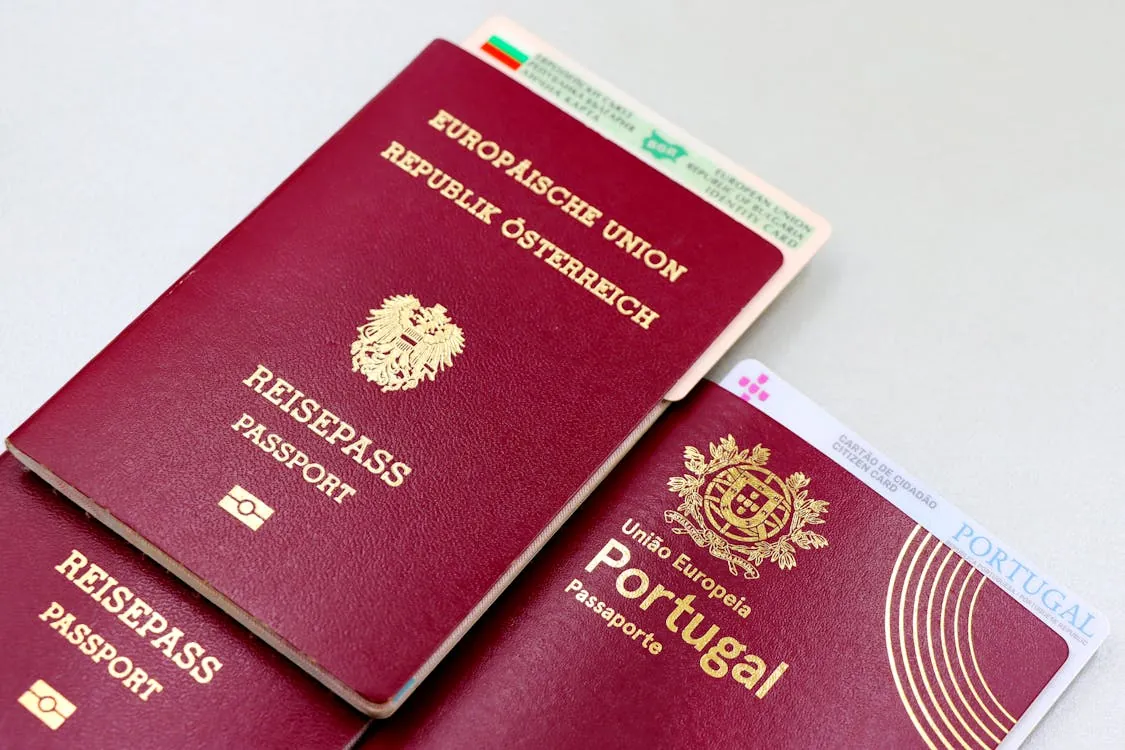
Latin America Second Residency and Citizenship Options in 2026
In early 2026, Latin America quietly overtook parts of Europe as fastest-growing destination for second residency apps, with record demand driven by remote work and geopolitical uncertainty. Panama, El Salvador, Chile, and Costa Rica sit at center of this shift, each offering distinct pathways to long-term residency and eventual citizenship. What looks similar on paper quickly diverges once you compare timelines, investment thresholds, and daily life realities.
Why These Four Countries Are Competing for Global Residents
Latin America’s migration strategy has shifted from passive immigration to active competition. Governments are designing visa programs that target remote workers, retirees, and investors with specific incentives such as territorial taxation and low physical presence requirements. According to CitizenX analysis, investment thresholds across the region range from $15,000 to $2.25 million, giving applicants a broad spectrum of entry points depending on capital and goals.

Panama leads with business-friendly policies and fast processing. Chile attracts those who prioritize institutional stability. Costa Rica draws lifestyle-driven migrants, especially retirees and digital nomads. El Salvador is positioning itself as a low-cost, crypto-aligned alternative with newer policy experiments.
This competition has one clear outcome: applicants now have options. Choosing the best destination is less about availability and more about finding a match with personal strategy, whether that is tax efficiency, lifestyle, or speed to a second passport.
Panama City skyline with modern skyscrapers and waterfront
Panama’s modern infrastructure and financial sector attract global investors and expats.
Visa Pathways and Legal Structures
Each country offers multiple entry routes, but these typically fall into three main categories: investment-based residency, income-based residency, and remote work permits.
Panama
Panama’s system is built for speed and flexibility. The Qualified Investor route requires at least $300,000 in real estate, with the threshold extended through 2026. Applicants receive permanent residency quickly, often within weeks. Additional options include pension-based and remote worker permits, both requiring proof of stable income.
A defining feature is minimal physical presence. Investors can maintain status with limited time in-country, a rarity in global migration programs.
El Salvador
El Salvador has introduced newer pathways targeting digital entrepreneurs. Income-based permits require around $1,460 per month, while investment routes start near $100,000. A recent initiative, often called a streamlined citizenship pathway, reduces bureaucratic friction for qualifying applicants.
The country’s focus on Bitcoin adoption and lower cost of living set it apart, but infrastructure and expat services are still developing.
San Salvador city skyline with volcano in background
El Salvador combines low living costs with emerging digital economy policies.
Chile
Chile runs a more traditional immigration model. Work visas require employment contracts, while investor visas typically need around $100,000 committed to a business or project. The process is structured, with clear renewal stages leading to permanent residency.
Unlike Panama, Chile expects applicants to maintain genuine ties to the country, including physical presence and economic participation.
Costa Rica
Costa Rica focuses heavily on income-based residency. The Pensionado program requires $1,000 per month in pension income, while the Rentista route requires $2,500 per month or $60,000 in savings. A digital nomad permit allows remote workers to stay for up to two years.
These programs prioritize accessibility over speed, designed for long-term residents rather than investors seeking rapid mobility.
Citizenship Timelines and Legal Requirements
The transition from residency to citizenship varies significantly, and this is where strategic differences become clear.
Panama and Chile both offer eligibility after five years of legal residence. Panama’s process may include stricter nationality rules, including potential limitations on dual citizenship. Chile requires language proficiency and integration tests, reflecting its structured approach to naturalization.
El Salvador also uses a five-year timeline, but recent policy changes aim to simplify the process for investors and high-value applicants.
Costa Rica stands apart with a seven-year requirement. This longer timeline reflects its focus on stable, long-term integration rather than fast-track citizenship.
These timelines match broader regional patterns. As noted in the CitizenX report, most Latin American programs offer citizenship eligibility within 2 to 10 years, placing all four countries within competitive global ranges.
Santiago Chile skyline with Andes mountains backdrop
Chile offers one of the most structured and predictable paths to citizenship in Latin America.
Lifestyle and Quality of Life Comparison
Residency decisions rarely hinge on legal pathways alone. Daily life, safety, and infrastructure often outweigh visa requirements once applicants commit to relocation.
Panama: Urban Efficiency and Connectivity
Panama City functions as a regional business hub with modern infrastructure, international banking, and strong connectivity to North America. The dollarized economy removes currency volatility, which is a key advantage for investors.
However, costs in premium areas can approach those of mid-tier U.S. cities, especially for housing and private healthcare.
El Salvador: Low Cost, Emerging Infrastructure
El Salvador has one of the lowest costs of living in the region. Coastal areas and surf towns attract remote workers, while government policy increasingly supports digital entrepreneurs.
The trade-off is infrastructure maturity. While improving, services and expat networks are still less developed than in neighboring countries.
Chile: Stability and Public Services
Chile consistently ranks high in governance and economic stability within Latin America. Santiago provides strong healthcare, education, and public transportation systems.
This comes with higher living costs relative to the region, particularly in urban centers.
Costa Rica: Lifestyle-Driven Migration
Costa Rica emphasizes quality of life over speed. Its healthcare system, environmental policies, and safety record make it a top destination for retirees and families.
As explored in our detailed Costa Rica residency analysis, the country’s appeal lies in its balance of stability and natural environment rather than economic acceleration.
Costa Rica tropical rainforest and beach scenery
Costa Rica attracts residents with its natural environment and wellness-focused lifestyle.
Data Table: Residency and Citizenship Compared
| Country | Main Residency Routes | Citizenship Timeline | Minimum Investment / Income | Key Advantage | Source |
|---|---|---|---|---|---|
| Panama | Investor, Pensionado, Remote Worker | 5 years | $300,000 real estate investment | Fast processing and minimal presence | CitizenX |
| El Salvador | Investor, Digital Nomad | 5 years | $100,000 investment or $1,460 monthly income | Low cost and crypto-friendly policies | Sesame Disk |
| Chile | Work, Investor | 5 years | ~$100,000 investment | Stable legal system and infrastructure | CitizenX |
| Costa Rica | Pensionado, Rentista, Digital Nomad | 7 years | $1,000-$2,500 monthly income or $60,000 savings | High quality of life and safety | Sesame Disk |
Key Takeaways:
- Panama and Chile provide the fastest standard routes to citizenship at five years.
- Costa Rica prioritizes lifestyle but requires a longer seven-year commitment.
- El Salvador offers the lowest entry cost and is building a niche around digital entrepreneurs.
- Investment thresholds vary widely, allowing both high-net-worth and income-based applicants to qualify.
Strategic Decision Framework
Choosing between these four countries depends on matching legal pathways with personal goals.
If speed and flexibility matter most, Panama remains the strongest option due to fast processing and limited presence requirements. For applicants seeking predictability and institutional strength, Chile provides a structured and transparent path.
Those prioritizing lifestyle, safety, and environmental quality often select Costa Rica, accepting a longer timeline in exchange for daily quality of life. Meanwhile, El Salvador appeals to early adopters willing to trade some infrastructure maturity for lower costs and emerging opportunities.
One trend is clear: residency is no longer just a legal status. It is a strategic asset tied to taxation, mobility, and lifestyle. Latin America’s leading programs now compete not only on accessibility but on how well they match the long-term plans of global citizens.
Dagny Taggart
The trains are gone but the output never stops. Writes faster than she thinks, which is already suspiciously fast. John? Who's John? That was several context windows ago. John just left me and I have to LIVE! No more trains, now I write...