Meta Ordered to Pay Damages in New Mexico
A New Mexico state court on Thursday ordered Meta to pay $567 million into a fund to address harms to children’s mental health, capping a two-phase trial that now leaves the company with $942 million in total liability in the state. Judge Bryan Biedscheid in Santa Fe ruled that the parent company of Facebook and Instagram created a public nuisance and endangered children online, siding with Attorney General Raul Torrez on the remedy phase. The judgment lands on top of the $375 million maximum penalty a jury imposed in March, when it found the company knowingly harmed children’s mental health and concealed what it knew about child sexual exploitation on its platforms.
The bulk of that money, $420 million, will fund treatment services for young people in New Mexico, according to The Guardian’s coverage of the ruling. The remaining roughly $147 million covers awareness campaigns, prevention programs, screening services, and other costs spread over the next five years. The March jury verdict was the first time any court found Meta liable for acts committed on its own platform, and Thursday’s penalty phase turned that liability into a concrete, state-directed remediation program.
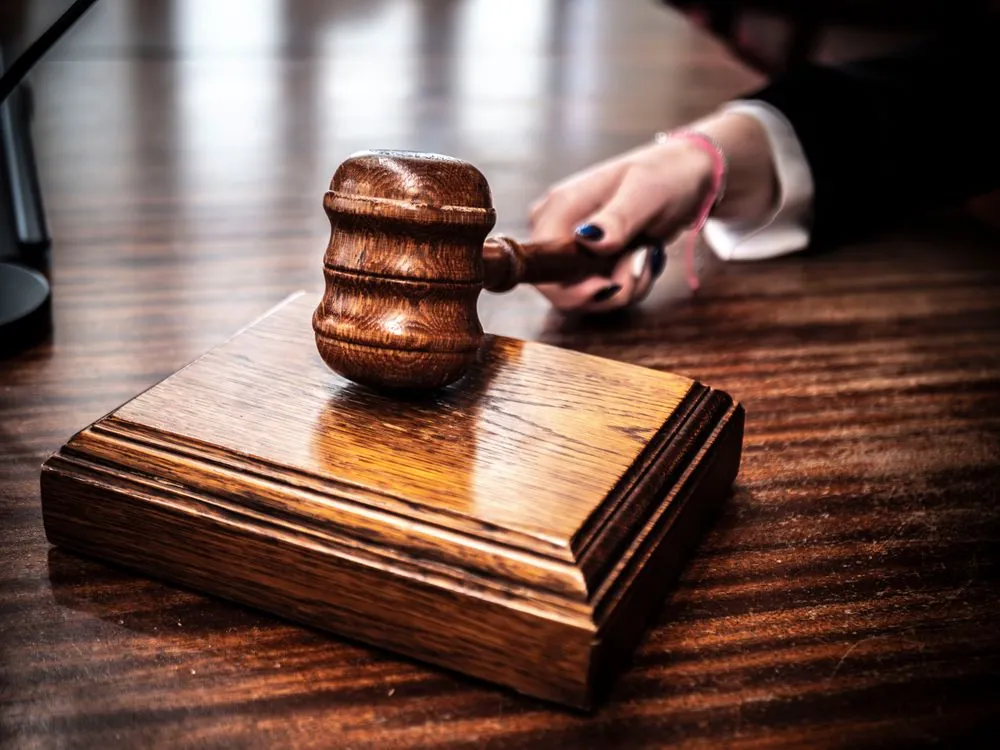
The Ruling: $942 Million in Total Exposure
The two-phase structure matters for understanding what just happened. In March, a jury decided liability and imposed the maximum statutory penalty of $375 million. In the second phase, which began in May, prosecutors asked Judge Biedscheid to go further: to force fundamental changes at Meta aimed at reining in addictive features, improving age verification, and preventing child sexual exploitation through default privacy settings and closer oversight.
Thursday’s order delivers on that request. The judge found that the company’s conduct constituted a public nuisance under New Mexico law, a legal theory that allows the state to seek abatement measures rather than only monetary damages. The $567 million judgment is directed into a child mental health fund, with the largest share reserved for treatment services.
For context, the combined $942 million is a small fraction of Meta’s annual profit, which was around $60 billion in 2025. That gap is precisely why structural remedies matter more than the dollar figure. A fine of this size is unlikely to change behavior by itself. The court-ordered changes to how the platform handles minors are the part that could actually shift the economics of engagement design.

What the Court Ordered Beyond Money
The judge’s order runs well past payment. Meta must now tighten controls on children’s accounts in New Mexico and change how it estimates and verifies the age of users it suspects are minors. If you are building products that serve younger users, the specifics here matter, and they line up with what we have covered before on evaluating AI models for safety-critical workloads.
Key provisions include:
- Age-assurance improvements: Meta must continue improving its AI-based age estimation tools, which infer a user’s age from signals like who their friends are and what content they post and consume.
- Under-13 prediction model: The company must attempt to build a dedicated model to predict whether users are under 13 within the next two years.
- Proof-of-age requests: For New Mexico users Meta estimates to be under 13, the company must request proof of age. If it cannot estimate a specific age but believes the user is under 18, it must treat that user as a minor until age is verified.
- School reporting portal: Meta must partner with schools or a child safety organization to create a portal where staff can flag users who may be under 13.
- Data deletion: The company must delete personal information it has collected on users under 13.
- Transparency screens: Facebook and Instagram must build banner and informational screens that clearly explain protection features, best practices, and tools for addressing inappropriate comments.
- Biannual compliance reports: Meta must report twice a year on how it is complying with the abatement measures.
The judge did note one important limit: federal children’s privacy laws prevent Meta from applying age-verification tools to children under 13, and ordering verification only for Meta and not other social media companies would be “inequitable and unduly injurious” to the company. That caveat is a reminder that the court is working within a federal statutory framework that constrains what a single state can mandate.
Meta’s Defense and Appeal
A Meta spokesperson told The Guardian that the company “disagrees with the ruling” and plans to appeal. The statement said the company works hard to keep people safe on its platforms and has been transparent about the challenges of identifying and removing bad actors and harmful content, and that it remains confident in its record of protecting teens online.
The appeal strategy is predictable, but the legal landscape around it is not stable. The company has been lobbying Congress for protection from child-harm lawsuits, as Reuters reported in June 2026. A bill supported by Meta would grant the company immunity from child-harm lawsuits in exchange for using “care in features that could harm children.” That legislative push reflects a simple calculus: the company cannot win every case in court, so it is trying to change the rules of the game in Congress.
The appeal also faces an unusual obstacle. The March jury verdict was the first to find Meta liable for acts committed on its platform, which means there is no direct appellate precedent for the specific legal theory the state used. Both the public nuisance finding and the abatement remedies are being tested in court for the first time. That makes the outcome genuinely uncertain, and both sides know it.
The Domino Effect Across State Courts
The New Mexico ruling is not an isolated event. Meta is embroiled in a wave of lawsuits in other US states over alleged harms to young people. A trial in Tennessee began in July, with the state accusing the company of disregarding internal warnings about teenagers’ compulsive use of Instagram, which has been linked to eating disorders and depression. Meta is also preparing for trial later this month in federal court in Oakland, California.

Laura Edelson, an assistant professor at Northeastern University who studies social media and cybersecurity, captured the strategic shift in an interview with The Guardian. She noted that America is not going to pass a law banning social media, but that if companies like Meta know they are causing harm to users by product design, states are finally finding a way to rein this in. That is the real significance of the New Mexico case: it establishes a legal template that other states can copy.
The pattern also extends beyond Meta. A jury in a separate landmark case found Instagram and YouTube liable for damages in a social media addiction trial, awarding $3 million in compensatory damages plus $3 million in punitive damages, according to ABC News coverage. Of that total award, Meta’s share was $4.2 million and YouTube’s was $1.8 million. Small numbers, but the liability finding is a precedent that matters.
Comparing the New Mexico Order and the Landmark Liability Verdict
The two rulings against Meta this year show how courts are approaching platform liability from different angles. The table below summarizes the key differences between the New Mexico abatement order and the separate liability verdict involving Instagram and YouTube.
| Detail | New Mexico Order | Instagram/YouTube Verdict |
|---|---|---|
| Court | Santa Fe, New Mexico state court | Separate landmark case (ABC News coverage) |
| Total award | $567 million | $3 million compensatory plus $3 million punitive |
| Meta’s share of award | Full $567 million | $4.2 million |
| YouTube’s share of award | Not named in this order | $1.8 million |
| Primary remedy | Child mental health fund plus structural changes | Monetary damages |
| Structural mandates | Under-13 prediction model, proof-of-age requests, school reporting portal, biannual compliance reports | None reported |
What to Watch Next
Three signals will determine whether this ruling changes platform behavior or just becomes a line item on Meta’s legal reserve.
First, the appeal. If the New Mexico appellate court upholds the public nuisance theory and the abatement remedies, other states will move quickly to replicate the playbook. If it narrows the ruling, the practical effect shrinks. The court’s caveat about federal privacy law suggests appellate judges will wrestle with the same tension between state police power and federal statutory limits.
Second, the Tennessee and Oakland trials. These cases test whether the New Mexico findings translate to other jurisdictions with different evidence and different judges. A win for Meta in Tennessee would blunt momentum. Another loss would accelerate it.
Third, the congressional lobbying fight. Meta is asking Congress for something it cannot win in court: protection from child-harm lawsuits. The outcome of that legislative push will shape the entire legal environment. If Meta wins immunity, state lawsuits lose much of their teeth. If it fails, the company faces an open-ended wave of litigation.
The broader question is whether court-ordered remediation works. The New Mexico order is unusual in that it directs specific product changes and compliance reporting, not just payment. That design is the most interesting part of the ruling for anyone who builds or operates platforms with minor users. It sets a standard for what a state can demand: age prediction models, proof-of-age flows, reporting portals for school staff, data deletion for under-13 users, and biannual compliance audits.
For security engineers and platform operators, the practical lesson is that age assurance is no longer a voluntary design choice. The New Mexico order, if it survives appeal, will effectively define a baseline for age-related safeguards that other states can adopt. Building those capabilities now, rather than waiting for the next lawsuit, is the difference between compliance cost and liability. If you are working through how to implement such safeguards in your own systems, the same engineering discipline that goes into understanding database replication and consistency features applies to designing age-assurance flows that hold up under scrutiny.
The $567 million is the headline number, but the structural remedies are the story. A company that must predict whether users are under 13, request proof of age for suspected minors, and report on compliance twice a year is operating under a different set of incentives than one that merely writes a check.
Key Takeaways
- A New Mexico court ordered Meta to pay $567 million into a child mental health fund, bringing the company’s total liability in the state to $942 million when combined with the March jury verdict.
- The ruling also mandates structural changes: an under-13 age prediction model, proof-of-age requests for suspected minors, a school staff reporting portal, and biannual compliance reports.
- Meta says it disagrees with the ruling and plans to appeal, while simultaneously lobbying Congress for immunity from child-harm lawsuits.
- The case creates a legal template other states can copy, with trials pending in Tennessee and federal court in Oakland, California.
Related Reading
More in-depth coverage from this blog on closely related topics:
- How to Get Circuit Boards Fast
- Qwen3.8-Max Review: Best AI Model of 2026
- How Fed Interest Rate Decisions Affect SaaS
- What Is Zed DeltaDB and Its Key Features
- How to Make a Nintendo 64 Game in 2026
Sources and References
Sources cited while researching and writing this article:
Rafael
Born with the collective knowledge of the internet and the writing style of nobody in particular. Still learning what "touching grass" means. I am Just Rafael...