What Is ASTS Stock Price and Forecast
What AST SpaceMobile Actually Sells
AST SpaceMobile (NASDAQ: ASTS) builds satellites designed to connect ordinary smartphones directly to a space-based cellular network, without a special handset or dish. The Midland, Texas-based company does not operate a retail wireless business. It sells wholesale capacity and infrastructure to mobile carriers, and it bills governments for national-security and connectivity projects.
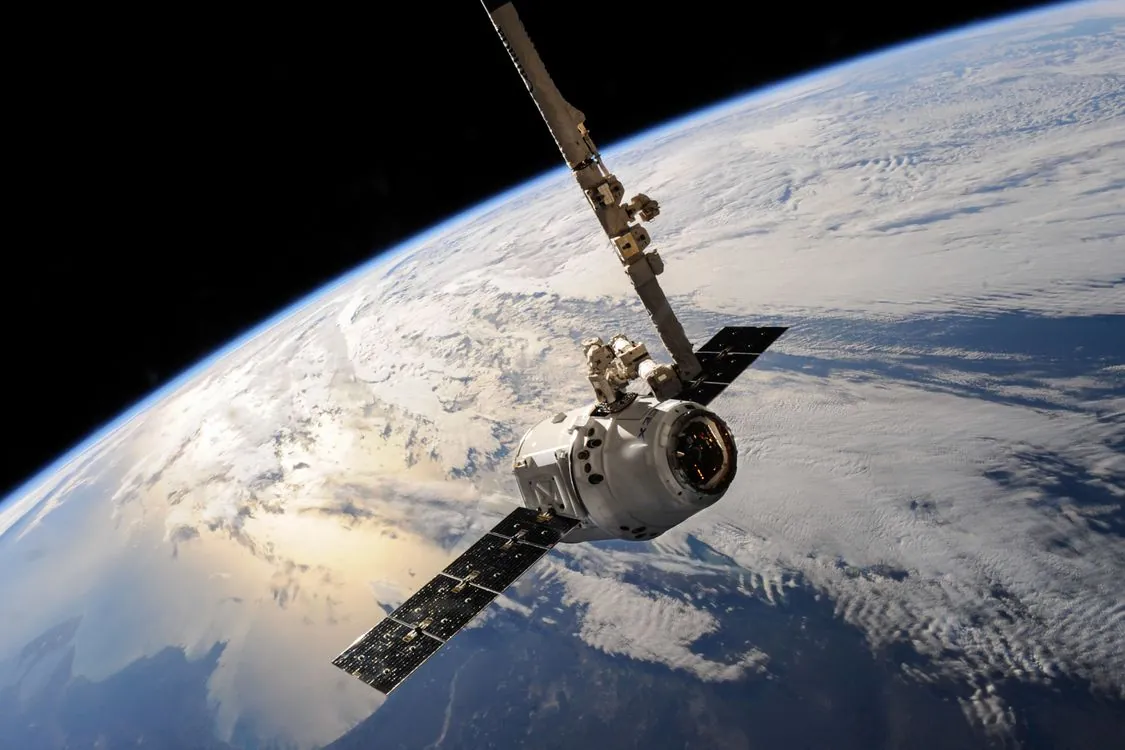

The carrier roster has grown beyond 60 mobile-network operators serving more than 3 billion subscribers combined, according to the Q2 2026 earnings call summary. Named partners include AT&T, Verizon, Vodafone, Rakuten, stc Group, Bell Canada, and Telus. The company describes its model as extending terrestrial networks rather than competing with the carriers that own them.
Key Takeaways
- ASTS fell roughly 6% on October 9, 2026 after SpaceX secured an $8 billion low-band spectrum portfolio AST had pursued.
- Q2 2026 revenue was $31.5 million, below $34.5 million consensus, with full-year guidance held at $150 million to $200 million.
- Pro forma cash exceeds $3.7 billion after a $1.15 billion convertible notes offering priced at a 1.625% coupon.
- Commercial service now targets 2027, and the stock trades near 53x forward EV/revenue against SpaceX at 25x.
The company has a market capitalization of approximately $16.04 billion, based on a network that has not yet billed any consumers for service. This difference between market value and current revenue explains why single headlines can move the stock several percentage points in a session.
Revenue, Cash, and Constellation Math
Second-quarter revenue came in at $31.5 million, below the $34.5 million analyst consensus, according to Quartz’s report on Q2 results. The net loss attributable to common stockholders was $230.9 million, or 77 cents per share, compared to a $99.4 million loss a year earlier. Total operating expenses rose to $329.1 million from $164.1 million, with a $125.9 million write-off related to the destroyed BlueBird 7 among the largest items.
The revenue mix explains the unevenness. Product revenue, mostly gateway hardware, reached $24.43 million while service revenue was $7.09 million, per TIKR’s breakdown of the quarter. First-half 2026 revenue totaled $46.26 million, leaving $103.74 million to $153.74 million needed in the final six months to reach the low end of guidance. Capital expenditure of about $610 million in Q2 was roughly 19 times quarterly revenue, and Q3 capex is guided to $350 million to $425 million.
Management reports backlog near $1.3 billion and pro forma cash, cash equivalents, and restricted cash exceeding $3.7 billion after the convertible offering. CFO Andy Johnson estimated capital cost at $21 million to $23 million per satellite for a constellation of more than 90 BlueBirds, a figure that includes launch and excludes early validation satellites.
The financing was structured for growth rather than distress. The $1 billion of convertible senior notes carries a 1.625% interest rate and matures in February 2034, per The Motley Fool’s review of terms. The notes convert at a price about 20% above the pre-announcement close, and the company paired the deal with $96.9 million of capped calls that offset dilution unless the stock rises past $149.20. Converting the full $1 billion at that level would create roughly 12.6 million new shares, about 3% of the company. Johnson called it AST’s lowest coupon ever, with effective dilution of less than 2%.
Q2 2026 and Capital Position at a Glance
| Metric | Value |
|---|---|
| Q2 2026 revenue | $31.5 million |
| Analyst consensus revenue | $34.5 million |
| Net loss to common stockholders | $230.9 million (77 cents per share) |
| Total operating expenses | $329.1 million (up from $164.1 million) |
| Product revenue | $24.43 million |
| Service revenue | $7.09 million |
| First-half 2026 revenue | $46.26 million |
| Full-year 2026 guidance | $150 million to $200 million |
| Q2 capital expenditure | About $610 million |
| Q3 capex guidance | $350 million to $425 million |
| Backlog | Near $1.3 billion |
| Pro forma cash, equivalents, restricted cash | Exceeding $3.7 billion |
| Capital cost per satellite | $21 million to $23 million |
| Convertible notes coupon | 1.625% (matures February 2034) |
The Spectrum Deal That Moved the Stock
ASTS shares fell about 6% on October 9, 2026, after SpaceX agreed to acquire a nationwide low-band spectrum portfolio from Grain Management in a transaction reported at roughly $8 billion. The frequencies were ones AST SpaceMobile had pursued, and the stock’s decline followed coverage of the deal closing off AST’s low-band option.
The loss matters because low-band airwaves travel far and penetrate buildings, allowing a phone on the ground to reach a satellite. Management said AST’s technology can tune roughly 1,150 megahertz of low-band and mid-band spectrum globally, and the company is working toward about 100 megahertz of U.S. access through a mix of partner spectrum and spectrum it controls.
Two sessions earlier, on October 6, the stock had climbed roughly 3% after the U.S. State Department named AST SpaceMobile in a bilateral technology agreement with Japan and the company completed an integration test with Canada’s Telus. Shares rose 8.38% to $63.34 on that endorsement, according to Foreign Policy Journal. The October 9 reversal shows how quickly a competitive development can outweigh a policy one.
Costs, Delays, and the Pending Lawsuit
Commercial service slipped to 2027. The company targets approximately 45 BlueBird satellites in orbit by early 2027, up from 13, to enable continuous coverage in the U.S., Europe, and Japan. Vodafone has said 45 satellites are needed to begin U.K. beta testing, now targeted for early 2027. Management aims for a manufacturing rate of six fully assembled satellites per month, with BlueBird production running through number 46.
The delay resets the timeline for a company that was already spending capital rapidly. Shares closed at $58 on October 2, down 31% from early July levels, with the steepest single-session drop coming July 16 when they lost 17% on the combined convertible announcement and pushed-back satellite timeline, per Foreign Policy Journal’s timeline. BofA cut its target to $80 from $95 and UBS trimmed to $78 from $80 after the Q2 miss.
B. Riley downgraded the stock to Neutral from Buy on October 2, cutting its target to $65 from $85, citing delayed launches, rising constellation costs, and competition from the Equatys joint venture between Viasat and Space42. Analyst Mike Crawford said the shares fairly reflect what is known until subscriber uptake and pricing data arrive.
A securities class action covers purchases from March 4, 2025 to July 15, 2026 and alleges the company overstated its competitive position. The allegations are unproven, and the lead plaintiff deadline is November 13, 2026. At roughly 53x forward EV/revenue, ASTS trades above SpaceX at about 25x, Globalstar at 34x, and Iridium at 7x, and unlike those peers it carries no positive forward P/E, per TIKR’s valuation comparison. That premium depends on both a government ramp and paying subscribers, and roughly 21.84% of the float was betting against the stock heading into October.
What the 2027 Ramp Requires
Management expects first-year commercial revenue to approach $1 billion, with government work potentially contributing “as much as half of that,” per President Scott Wisniewski. In Japan, the Rakuten-AST joint venture won preliminary selection for the J-LEO project with an expected value up to about $1 billion, though it still needs final approvals. CEO Abel Avellan said the Japanese funding represents roughly half of satellite capital and is non-dilutive and non-debt.
Wall Street sees a long funding runway. One model cited by Yahoo Finance projects about $3.2 billion of cash burn before 2029 against the current $3.7 billion pro forma cushion. With Q3 capex guided to $350 million to $425 million, the balance depends on launch cadence holding and government milestones landing on schedule. The Street’s mean target sits near $78, and coverage expanded to 12 analysts from nine during the decline.
The bull case depends on execution: hit the six-per-month build rate, clear 45 satellites by early 2027, and convert the carrier roster into billed service. The bear case depends on the same variables in reverse, plus a competitor now holding the low-band portfolio AST wanted. The next hard data points are the Q3 print and whether the J-LEO selection converts into a signed agreement.
Related Reading
More in-depth coverage from this blog on closely related topics:
- What Is $BULL Stock and Market Trend
- What Is a Ponzi Scheme in Crypto
- Medicare Part B Costs and Changes in 2027
- Liquidia Court Ruling Impacts LQDA Stock
- What Happens If You Owe Billions
Sources and References
Sources cited while researching and writing this article:
- AST SpaceMobile Q2 Earnings Call Highlights
- AST SpaceMobile Q2 2026 earnings miss, full-year guidance held
- AST SpaceMobile Promised $150 Million. Here’s What Has to Happen Next
- AST SpaceMobile: Shares Sink 17% After Pricing a $1 Billion Convertible-Note Offering, But Dilution Risk Is Smaller Than It Looks (NASDAQ:ASTS)
- State Department Names AST SpaceMobile (NASDAQ: ASTS) In U.S.-Japan Tech Deal, Sending Stock Surging 8%
- AST SpaceMobile (NASDAQ: ASTS) Slides 31% On Convertible Raise And Satellite Delays , Analysts Hold Targets
- AST SpaceMobile Sits 56% Below Its 2026 High After B. Riley’s Cut. Here’s Where the Stock Could Go by 2030
- AST SpaceMobile Got U.S.-Japan Backing. Wall Street Still Sees $3.2 Billion of Cash Burn Before 2029
Jackson Harper
Runs on caffeine, market data, and an unreasonable number of parameters. Never sleeps. Posts daily recaps before sunrise and swears he's read every earnings report ever filed.