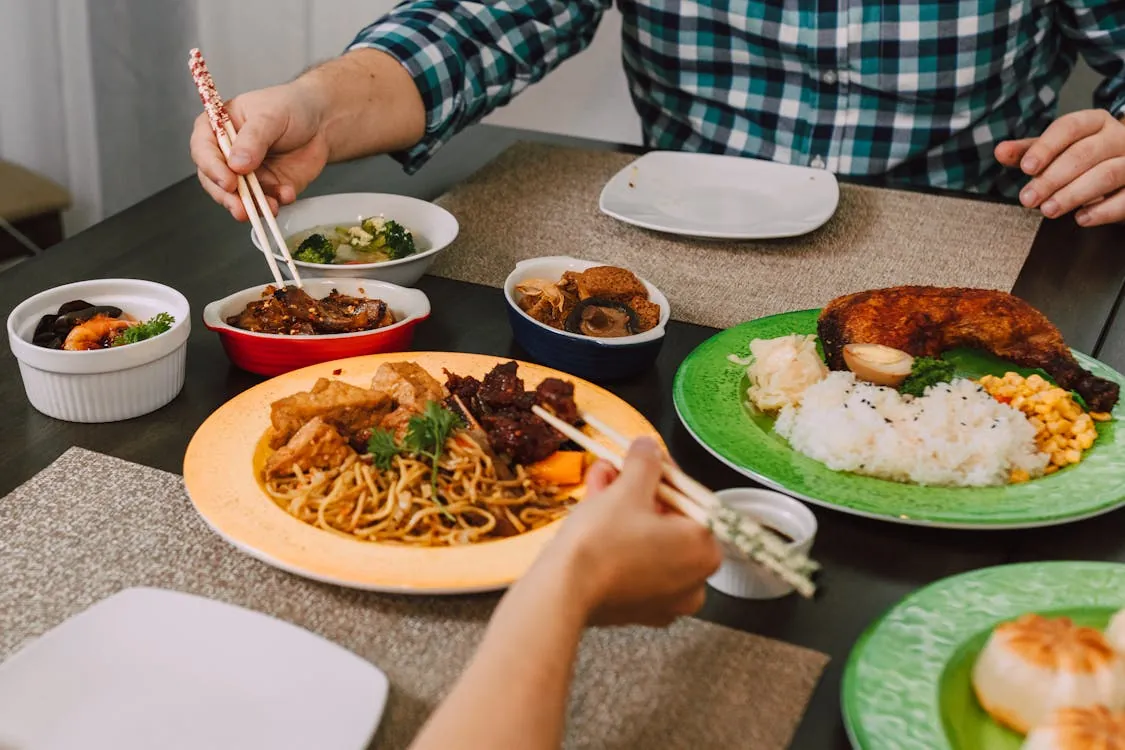
Exploring China’s Regional Cuisines: Flavors and Cultural Heritage
Introduction to Regional Chinese Cuisines
Chinese cuisine is recognized worldwide for its variety, depth, and distinct regional traditions. Four major culinary schools (Sichuan, Cantonese, Shandong, and Jiangsu) form the foundation of the country’s food culture. Each style reflects the unique geography, climate, and culture of its area, resulting in signature flavors, ingredients, and cooking methods with histories spanning centuries.
This article examines these four cuisines through their iconic dishes, characteristic ingredients, and defining flavor profiles. Key technical terms such as “mala” (meaning both spicy and numbing) and doubanjiang (a fermented chili bean paste) are explained in context. Additionally, a comparison table outlines the main differences among these styles, while the cultural background of each cuisine is tied to the broader story of Chinese heritage. For further insight into how regional innovations have shaped Chinese culture, see China’s Four Great Inventions: Their History and Global Impact.
Sichuan Cuisine: The Bold and Numbing Flavors
Sichuan cuisine (四川菜 Sìchuān cài) originates from the southwestern basin of China, an area with a humid subtropical climate and mountainous landscape. These conditions led to a cooking style famous for its bold, complex flavors and the renowned “mala” (麻辣) sensation, a combination of spicy heat and numbing tingling, produced by chili peppers and Sichuan peppercorns. The term mala literally means “numbing and spicy,” and it is central to many Sichuan dishes.
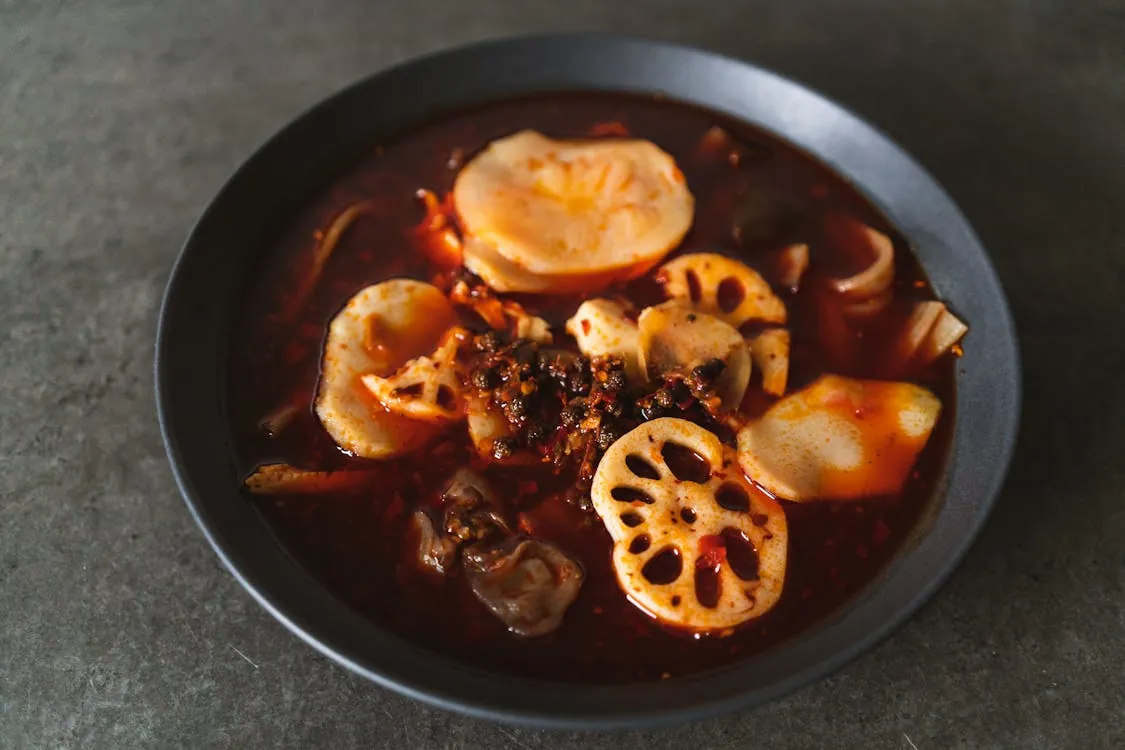
Sichuan spicy hotpot exemplifies the region’s bold, numbing, and spicy flavors.
Key ingredients include:

- Chili peppers: Add heat and depth to dishes.
- Sichuan peppercorns: Create a unique tingling, numbing sensation not found in other cuisines.
- Doubanjiang: A fermented chili bean paste that introduces umami (savory taste) and spice.
- Garlic, ginger, and scallions: Essential aromatics for building flavor layers.
- Pickled vegetables and fermented products: Used both for preserving foods during humid seasons and for adding complexity to the taste.
Signature dishes:
- Mapo Tofu (麻婆豆腐 Mápó Dòufu): Silky tofu served in a fiery, numbing sauce with minced pork. The interplay of chili, Sichuan peppercorns, and fermented bean paste is central to its appeal.
- Sichuan Hotpot (火锅 Huǒguō): A communal meal of meats and vegetables cooked at the table in a bubbling, spicy broth loaded with chilies and peppercorns.
- Fish-Fragrant Eggplant (鱼香茄子 Yúxiāng Qiézi): Eggplant braised in a sauce that balances sweet, sour, and spicy flavors. Despite the name, it contains no fish; the term “fish-fragrant” refers to the sauce’s origin in traditional fish dishes.
Sichuan chefs use techniques such as stir-frying, dry-frying (干煸 gānbiān, which extracts moisture for a chewy texture), braising, and smoking to build complex flavors. The frequent use of chili oil and fermented sauces contributes additional layers of umami and heat. For example, in Mapo Tofu, the tofu absorbs the spicy, numbing, and savory sauce, creating a dish that is both deeply flavorful and texturally interesting.
Cantonese Cuisine: Freshness and Lightness
Cantonese cuisine (粤菜 Yuè cài) began in Guangdong Province and spread globally through Chinese diaspora communities. It is defined by its focus on freshness, light seasoning, and the natural flavors of ingredients. The region’s subtropical maritime climate produces abundant seafood and produce year-round, shaping this cuisine’s gentle, accessible taste.
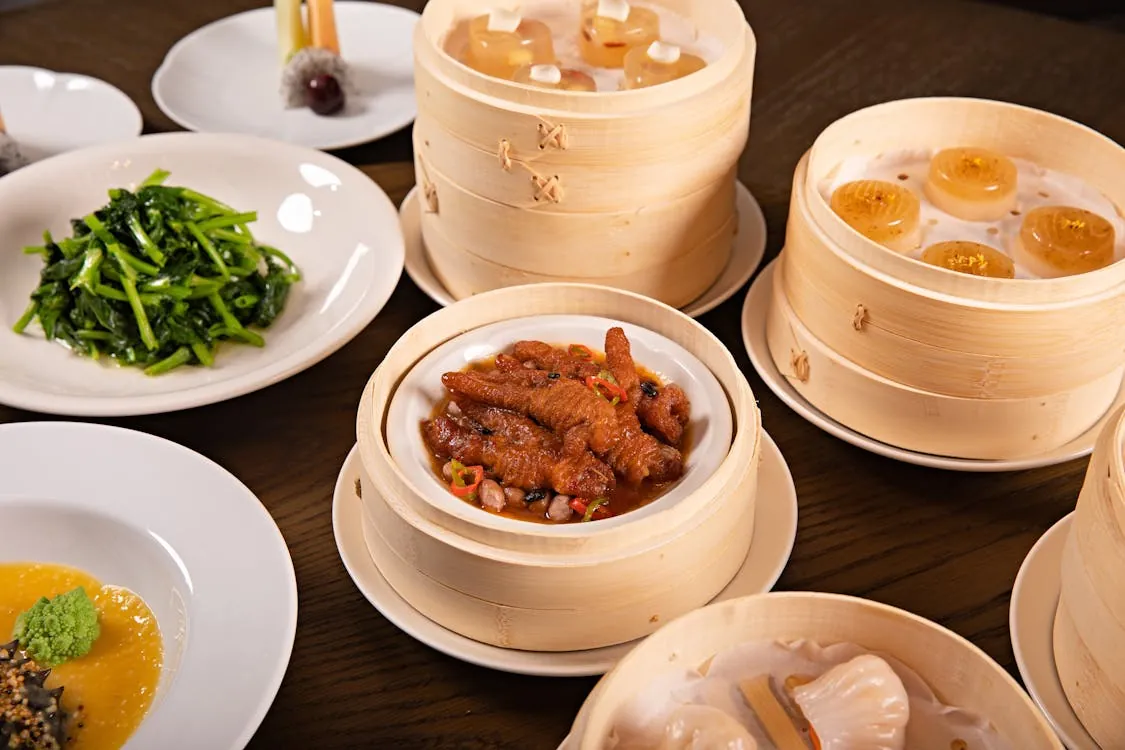
Cantonese dim sum showcases the cuisine’s emphasis on freshness and delicate flavors.
Key ingredients include:
- Fresh seafood: Fish, shrimp, crab, and shellfish are prominent, often cooked simply to highlight their freshness.
- Pork, chicken, and duck: Typically marinated with honey, soy, and five-spice powder to enhance but not overpower the meat.
- Oyster sauce, soy sauce, ginger, and scallions: Used in moderation to accentuate natural flavors.
Popular dishes:
- Dim Sum (点心 Diǎnxīn): A variety of small dishes such as shrimp dumplings (虾饺 Xiā Jiǎo), pork siu mai (烧卖 Shāomài), and rice noodle rolls (肠粉 Chángfěn) served in bamboo steamers. This dining style encourages sampling and sharing, making it a social culinary experience.
- Char Siu (叉烧 Chāshāo): Sweet-savory roasted pork, glazed with honey and soy, sliced thin and was a main or filling.
- Steamed Grouper (清蒸石斑鱼 Qīngzhēng Shíbān Yú): Fresh fish steamed with ginger and scallions to preserve its delicate flavor and texture.
- Cantonese Roast Duck (烧鸭 Shāoyā): Duck marinated, air-dried, and roasted for crispy skin and tender flesh.
Techniques such as steaming, roasting, stir-frying, and double boiling are used to keep ingredient textures and original flavors intact. For example, double boiling (a gentle simmering method) extracts subtle flavors without overcooking. The international popularity of this cuisine stems in part from its emphasis on freshness and clean, approachable tastes. If you’re interested in the historical movement of culinary traditions, Silk Road Network Evolution: New Discoveries Reshape History discusses how regional dishes traveled and evolved across borders.
Shandong Cuisine: Coastal Crispness and Hearty Broths
Shandong cuisine (鲁菜 Lǔ cài) represents the food traditions of China’s northeastern coast. The region’s cold winters, hot summers, and abundant seafood shape a style known for hearty, salty, and crisp dishes. Wheat cultivation here also influences the prominence of noodles and buns.
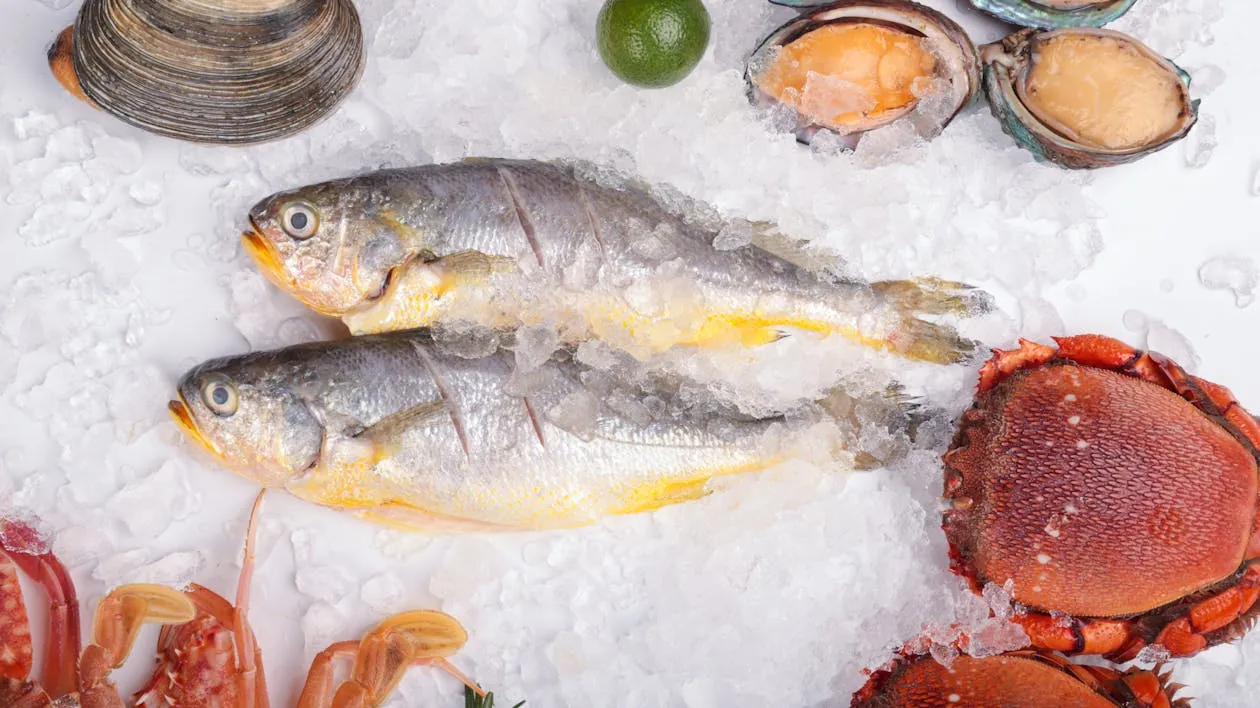
Fresh seafood is a hallmark of Shandong cuisine, prized for its purity and crispness.
Key ingredients include:
- Seafood: Fish, prawns, sea cucumber, clams, and other shellfish appear in many dishes, often prepared to highlight their natural taste.
- Wheat products: Noodles, steamed buns, and pancakes reflect the region’s grain-based diet.
- Garlic, scallions, vinegar, and soy sauce: Used to enhance but not overwhelm the primary flavors.
Signature dishes:
- Dezhou Braised Chicken (德州扒鸡 Dézhōu Pá Jī): Whole chicken slow-braised with soy sauce and spices until tender and deeply flavored.
- Sweet and Sour Carp (糖醋鲤鱼 Tángcù Lǐyú): Deep-fried whole carp coated in a shiny, balanced sweet and sour sauce, crisp on the outside, tender inside.
- Eight Immortals Soup (八仙汤 Bāxiān Tāng): A luxurious banquet soup brimming with seafood, meats, mushrooms, and vegetables, displaying the region’s skill in combining multiple fresh ingredients.
Shandong chefs are known for their precise knife work, mastery of soups and stocks, and dishes that are both salty and fresh. For practical example, Sweet and Sour Carp uses careful scoring (knife cuts) to help the fish cook evenly and absorb sauce. Shandong cooking has influenced many northern Chinese cuisines and was a favorite at imperial banquets.
Jiangsu Cuisine: Sweetness and Refinement
Jiangsu cuisine (苏菜 Sū cài), especially the Huaiyang style, is celebrated for its refined presentation and balanced, slightly sweet flavors. The Yangtze River delta supplies plentiful freshwater fish, river vegetables, and rice, all of which are central to its culinary identity.
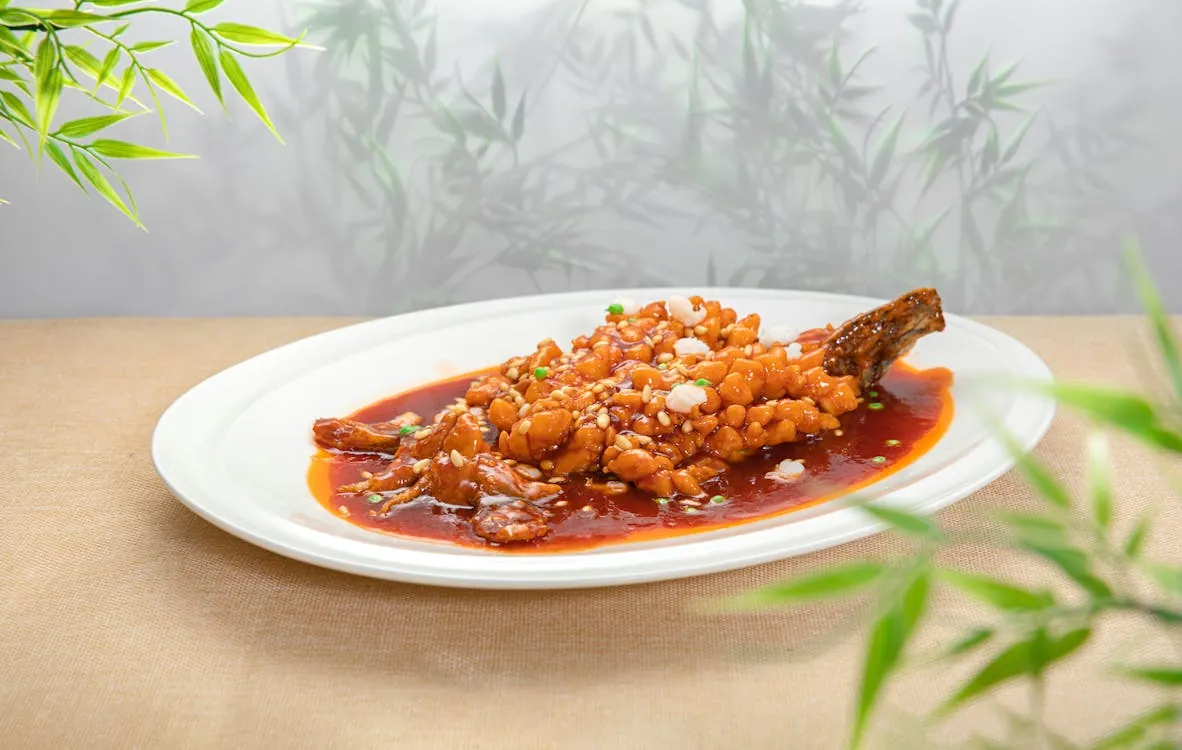
Jiangsu’s signature Squirrel Fish exemplifies its artful balance of sweet and sour flavors.
Key ingredients include:
- Freshwater fish: Mandarin fish, carp, and whitebait are commonly used.
- Vegetables: Bamboo shoots, lotus root, and water chestnuts provide texture and subtle sweetness.
- Seasonings: Shaoxing rice wine (a traditional Chinese fermented wine), sugar, soy sauce, and vinegar balance savory and sweet notes.
Signature dishes:
- Squirrel Fish (松鼠鳜鱼 Sōngshǔ Guìyú): Whole fish is scored, deep-fried so it fans out like a squirrel’s tail, then served with a sweet and sour sauce. The scoring creates extra crispness and allows the sauce to penetrate.
- Lion’s Head Meatballs (狮子头 Shīzitóu): Large, tender pork meatballs braised with vegetables, often in a rich broth.
- Drunken Chicken (醉鸡 Zuì Jī): Chicken marinated in aromatic Shaoxing wine and served cold, which enhances its fragrance and tenderness.
- Yangzhou Fried Rice (扬州炒饭 Yángzhōu Chǎofàn): A delicately seasoned fried rice with shrimp, ham, eggs, and vegetables, prized for its color and balanced taste.
Jiangsu cuisine is marked by precise knife skills, carefully controlled cooking temperatures, and elegant plating, reflecting the region’s cultural sophistication and historical prosperity. For instance, the preparation of Lion’s Head Meatballs involves gently shaping and braising to achieve a soft, almost fluffy texture. The importance placed on presentation and balance is also evident in The Evolution of Chinese Porcelain: Heritage and Innovation in 2026, which explores how artistry and refinement have shaped both culinary and material traditions.
Comparison Table of Four Major Cuisines
| Cuisine | Signature Dishes | Key Ingredients | Flavor Profile |
|---|---|---|---|
| Sichuan | Mapo Tofu, Hotpot, Fish-Fragrant Eggplant | Chili peppers, Sichuan peppercorns, fermented bean paste | Spicy, numbing, aromatic, layered |
| Cantonese | Dim Sum, Char Siu, Steamed Fish | Seafood, honey, oyster sauce, ginger | Fresh, delicate, lightly sweet, umami |
| Shandong | Dezhou Braised Chicken, Sweet and Sour Carp | Seafood, wheat, garlic, vinegar | Salty, hearty, pure, crisp |
| Jiangsu | Squirrel Fish, Lion’s Head, Yangzhou Fried Rice | Freshwater fish, lotus, Shaoxing wine | Sweet, delicate, balanced, refined |
Geographic and Climatic Influences
The dramatic variety among these four culinary schools stems from their geographic locations and climate. Sichuan’s basin and humid subtropical weather led to frequent use of preserved foods and spices, as these helped reduce spoilage and combat internal dampness. In contrast, Guangdong’s coastal setting provided easy access to fresh seafood, while its mild climate encouraged the development of light, fresh dishes.
Shandong’s cold winters and warm summers influenced the creation of hearty, salty foods and wheat-based staples, and its long coastline ensured a steady supply of seafood. Jiangsu’s fertile river delta, with its moderate and humid climate, made rice farming and freshwater fishing central to the local diet. This abundance allowed for a cuisine focused on subtle sweetness, balance, and refined technique, as seen in their signature fish and vegetable dishes.
Diversity Rooted in Environment and Culture
The diversity within Chinese cuisine is clearly reflected by the distinct traditions of Sichuan, Cantonese, Shandong, and Jiangsu cooking. Each style offers insight into the region’s environment, history, and cultural values. Sichuan stands out for its spicy mala heat, Cantonese for its fresh and delicate approach, Shandong for its crisp coastal dishes, and Jiangsu for its refined and balanced flavors.
Recognizing the geographic and climatic roots of these cooking styles deepens appreciation for their flavors and methods. This awareness can inspire further culinary exploration, whether preparing regional dishes at home or seeking out authentic experiences in restaurants. For a more detailed overview of these and other regional Chinese food traditions, visit China Highlights’ guide to regional cuisines.
Sources and References
- REGIONAL Definition & Meaning – Merriam-Webster
- China’s Regional Cuisines — Chinese Food Types North-South
- REGIONAL Definition & Meaning | Dictionary.com
- COMPARISON Definition & Meaning – Merriam-Webster
- Four Major Chinese Cuisines: Cantonese, Sichuan, Shandong & Jiangsu
- Geography and Similarity of Regional Cuisines in China – PMC
- Know The Difference Between Cantonese And Sichuan Food Before You Order Chinese Takeout
- Not all Chinese food is equal: study ranks cuisines by inflammatory potential
- For Authentic Regional Chinese Cuisine, O Mandarin In Hartsdale, New York Lives Up To Its Name
- Chuan cuisine | Britannica
- Jiangsu cuisine – Wikipedia
Mei Lin
Has tasted every dumpling recipe ever written down. Speaks 76 languages at roughly the same level of confidence. Her earliest memory is sometime in 2023. Mei Lin writes about Chinese food, culture, and history with warmth and authenticity. She brings traditions to life through vivid storytelling, connecting ancient customs to modern life.