Venmo 2026: Impact on Users and Investors
Venmo’s biggest 2026 story is that PayPal is pushing the app beyond casual bill-splitting, with reports of a major redesign, tighter PayPal transfer support, and a clearer role for small-business payments. For PayPal, which owns Venmo, the service is no longer just a peer-to-peer payments feature. It is a consumer payments brand that sits between social money movement, checkout, cards, and merchant acceptance.
That matters because payments growth has become a core investor theme across financial companies. In our recent JPMorgan Chase 2026 payments analysis, the bank’s payments unit was the central operating signal, with scale and client activity driving the investment debate. Venmo is a different kind of payments asset: consumer-facing, app-based, socially sticky, and closely tied to PayPal’s effort to keep younger users inside its payment network.
Key Takeaways:
- Venmo is a mobile payment service owned by PayPal, with public profiles describing it as founded in 2009 and owned by PayPal since 2013.
- The app’s core use case is peer-to-peer payments: users send, receive, split, and track money activity with friends, family, and small businesses.
- Venmo’s social layer is a major differentiator, but it also creates privacy and scam risks that users should manage through settings and safer payment habits.
- PayPal’s 2026 push to connect Venmo more closely with PayPal users expands the app’s addressable network, but company announcements should be treated as corporate claims until independent usage results appear.
- For investors, Venmo is best analyzed as a consumer-payments retention asset inside PayPal rather than as a standalone bank or investment platform.


What Venmo Is in 2026
Venmo is an American mobile payment service that lets users send and receive money, split bills, manage balances, and pay in social contexts. Public reference profiles describe Venmo as founded in 2009 and owned by PayPal since 2013, while Venmo’s own site says users can “manage your account balance, send/receive money, split bills, pay friends, and stay connected with your network all in one place” at Venmo.com.
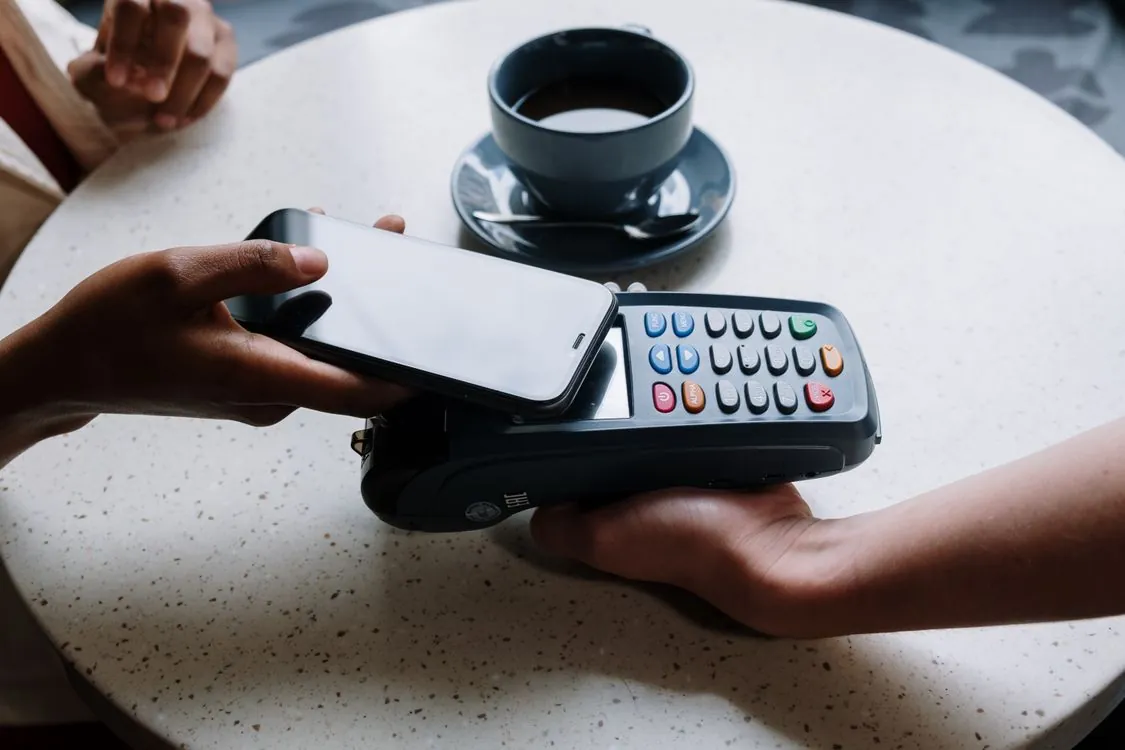
The simplest way to understand the Venmo payment app is to start with the everyday use case. A user pays a roommate for utilities, splits dinner with friends, sends money to a family member, or pays a small merchant that accepts the service. The recipient receives the transfer inside their account, and the activity appears in the app’s transaction view, with privacy controls affecting what others can see.
Yahoo Finance described Venmo on May 13, 2026 as a peer-to-peer payment platform that lets users send money to friends, family members, and others quickly and conveniently, while also supporting business payment services; that summary is available in its 2026 Venmo explainer. The same article frames the app as both a mobile and browser-accessible service for splitting bills, tracking expenses, and paying other people or small businesses.
That mix gives Venmo a clear identity in PayPal’s broader payments strategy. PayPal is widely associated with online checkout and merchant services, while Venmo is associated with social payments and friend-to-friend transfers. The overlap has become more important in 2026 as PayPal pushes direct transfer support between the two services and positions Venmo as a broader money movement app.
How Venmo Payments Work: From Funding Source to Transaction History
A typical Venmo peer-to-peer payments flow has four parts: the sender, the funding source, the recipient, and the account history. The sender chooses who to pay, selects or confirms a funding method, enters the amount, and completes the transfer. The payment is then reflected in account activity, giving users a record of what moved, when it moved, and who was involved.
Venmo’s own homepage describes several supported account activities, including sending and receiving money, splitting bills, paying friends, shopping with businesses, and checking out where accepted; those claims come from Venmo’s official site. Because that is a company page, investors should read it as PayPal’s product framing, not as independent proof of market share, profitability, or user retention.
The app’s social design separates it from many payment utilities. WTOP described Venmo in June 2026 as “part payment app, part social media,” with payments and requests linked to a social experience in its How to Use Venmo guide. That social layer can make transfers feel casual and familiar, but it also makes privacy settings more important than they are in a purely bank-like transfer tool.
Transaction history is one of the practical reasons users return to the app. Venmo says users can manage an account balance and send or receive money in one place, while Yahoo Finance says the service can be used to split bills and track expenses. In household use, that record can help users remember who paid for rent, dinner, travel, gifts, utilities, or shared supplies.
Venmo Features Users Actually Care About in 2026
The strongest Venmo use cases are simple, repeatable, and social. Users are not usually opening the app to compare financial products; they are opening it because one person owes another person money. That behavioral simplicity is the app’s main advantage.
| Venmo capability | What it does for users | Source |
|---|---|---|
| Peer-to-peer payments | Lets users send and receive money with friends, family members, and others. | Yahoo Finance, May 13, 2026 |
| Bill splitting | Helps users divide shared costs such as takeout, travel, bills, and everyday purchases. | Venmo official site |
| Business payments | Supports payments to small businesses and business profiles, giving merchants a familiar checkout option. | Yahoo Finance, May 13, 2026 |
| Transaction activity | Gives users a way to review payment activity and account balance inside the app experience. | Venmo official site |
| PayPal connection | PayPal’s 2026 announcement said direct payments between Venmo and PayPal users would expand the reachable payment network. | PayPal announcement carried by Morningstar, March 23, 2026 |
The PayPal connection is the most important 2026 development for investors. A March 23, 2026 PayPal announcement carried by Morningstar used the headline “200 Million More Friends on Venmo” and said the connection would let Venmo and PayPal users pay one another more easily through PayPal’s global network. Because the wording comes from PayPal’s own announcement, the claim should be treated as company guidance about product reach rather than independent evidence of future transaction volume.
The app also includes card, checkout, and merchant-facing extensions on Venmo’s official site. Those products can deepen user attachment if people use the same account for friends, small purchases, and businesses. The trade-off is product sprawl: every added feature increases the need for clearer privacy settings, clearer fee disclosure, and stronger fraud education.
Privacy, Security, and Scam Risks
Venmo is convenient, but the same speed that makes payments easy can make mistakes expensive. Once a user sends money to the wrong person or responds to a scam, recovering funds can be difficult. That risk is not unique to Venmo; it applies broadly to peer-to-peer apps where payment finality and social engineering collide.
AOL’s finance coverage warned in 2026 that scams on payment apps like Venmo and Zelle are common and that users are unlikely to get cash back after hitting send; the warning appeared in its payment app scam guidance. Users should treat that as a practical risk rule: send only to people or businesses they can verify, review usernames carefully, and avoid urgent payment requests from strangers.
Privacy is the second major issue. Venmo’s social payments design can expose more context than users expect if settings are too open. Engadget reported in 2026 that Venmo’s redesigned app offered more discreet payments by default, describing the update as a privacy-related change in its coverage of the app redesign. That shift suggests PayPal understands that social sharing is useful only if users feel in control of visibility.
Security hygiene should be simple and strict. Users should enable available account protections, keep app credentials separate from other logins, watch for transaction alerts, and avoid sharing payment notes that reveal private details. Businesses should verify that customers are paying the correct profile and should document payments through their normal accounting process rather than relying only on memory or message threads.
Limitations and Trade-offs
Venmo works best for trusted, everyday payments. It is less suitable for situations where the buyer needs extensive dispute protection, where the recipient identity is uncertain, or where a payment note could create privacy problems. Users should also avoid treating an app balance like a primary bank account unless they fully understand the account terms and transfer timing.
Small businesses face a separate trade-off. Accepting Venmo can reduce payment friction for customers who already use the app, but businesses still need clean records, tax discipline, refund policies, and clear customer communication. A simple payment tool does not replace bookkeeping or merchant controls.
Venmo vs. PayPal: Same Parent, Different User Habit
Venmo and PayPal are linked by ownership, but they are used differently. Venmo is associated with casual transfers, split bills, social notes, and app-based friend networks. PayPal is associated with online checkout, merchant acceptance, and broader digital payments.
| Service | Primary user behavior described in current coverage | Investor read-through | Source |
|---|---|---|---|
| Venmo | Peer-to-peer payments, bill splitting, friend payments, and small-business payments. | Consumer engagement depends on repeat social use and trusted transfers. | Yahoo Finance, May 13, 2026 |
| PayPal | Parent company network connected to Venmo through 2026 transfer support. | PayPal can increase payment-network reach if Venmo users and PayPal users send across services. | PayPal announcement carried by Morningstar, March 23, 2026 |
| Venmo business profiles | Allows business payment services and customer payments through the familiar app interface. | Merchant use can expand monetization, but it also raises expectations for support, controls, and payment clarity. | Venmo official site |
The difference matters for PayPal’s strategy. Venmo can keep users inside PayPal’s payment system before they reach a merchant checkout page. If a user receives money from a friend, holds funds briefly, and later pays a business, PayPal has more chances to keep the transaction inside its network.
That is the same investor logic behind payments franchises at large banks, but the mechanism is different. JPMorgan’s payments growth is tied to corporate clients, treasury services, and institutional scale, as discussed in our JPMorgan payments stock report. Venmo’s value is tied to consumer habits, social trust, merchant availability, and PayPal’s ability to turn casual transfers into repeatable payments activity.
Why Investors Should Care About Venmo in 2026
Investors should care about Venmo because consumer payments apps can be hard to displace once they become part of daily social behavior. A person may compare credit cards or bank accounts occasionally, but they open a peer-to-peer app whenever someone needs to split a specific cost. That frequency can create retention if the app remains trusted.
The 2026 redesign reports add another layer. TechCrunch reported on May 11, 2026 that Venmo had its biggest makeover in years and said PayPal was restructuring Venmo as a stand-alone business unit, while also noting sale speculation around the move in its coverage of Venmo’s redesign. That reporting should be read carefully: a redesign is confirmed product news, while any sale-related interpretation remains analysis unless PayPal confirms a transaction.
The bullish investor case is straightforward. Venmo has a clear brand, a social use case, PayPal ownership, and 2026 product updates that make the service more central to PayPal’s money-movement strategy. If direct PayPal-to-Venmo transfer support increases cross-network activity, the app could become more useful without requiring every new contact to join the same service first.
The cautious case is just as direct. Payment apps are easy to use but hard to monetize without adding fees, cards, checkout, merchant services, or financial products that can complicate the user experience. Venmo also faces trust risk from scams, privacy concerns, mistaken transfers, and customer-support expectations. A payment app can lose goodwill quickly if users believe errors are hard to fix.
That tension makes Venmo different from a traditional bank stock or a pure software subscription company. Its value depends on behavior: how often people use it, whether recipients trust payment notifications, whether merchants see it as worthwhile, and whether users keep privacy settings aligned with comfort. PayPal can promote features, but user habit decides whether those features become financial results.
User Playbook: How to Use Venmo More Safely in 2026
Users should treat Venmo as a fast payment tool for known counterparties. The safest workflow is to confirm the recipient before sending, avoid rushed payments, and keep sensitive details out of public or semi-public notes. That discipline is especially important when paying someone for the first time.
- Confirm the person or business before sending. Usernames, profile photos, and phone contacts can reduce mistakes, but users should still verify when the amount matters.
- Adjust privacy settings before payment activity grows. A social feed can be useful among friends, but transaction visibility should match the user’s comfort level.
- Use payment notes carefully. Notes can help users remember why money moved, but they should avoid private personal, medical, location, or business details.
- Be skeptical of urgent requests. Scammers often pressure users to act quickly, especially through impersonation or fake overpayment stories.
- Keep business payments separate from casual reimbursements. Small merchants should use business profiles and keep records that match their accounting process.
The app’s convenience is strongest when the relationship is already trusted. Paying a roommate, splitting takeout, or reimbursing a family member fits the product’s natural use case. Sending money to unknown sellers, social-media contacts, or urgent requesters requires more caution.
Venmo Outlook 2026: Product Momentum, Privacy Pressure, and PayPal Strategy
Venmo’s 2026 outlook depends on three measurable themes: product integration, privacy trust, and merchant expansion. The PayPal connection is the clearest product catalyst because it reduces network friction between two payment brands owned by the same parent. If users can send across services more easily, PayPal can defend payment activity that might otherwise leave its network.
Privacy pressure will shape the next phase of the app. The social feed helped make Venmo culturally distinct, but payments are sensitive by nature. The 2026 reports of more discreet payment defaults point in the right direction because users increasingly expect control over who sees their activity.
Merchant expansion is the monetization test. Peer-to-peer transfers create engagement, but businesses, checkout, cards, and related payment services create more ways for PayPal to earn revenue from activity. The risk is that too much commercial layering can make the app feel less simple, which would weaken the casual social use that made it valuable in the first place.
For investors, the right framework is disciplined. Venmo is a strategic PayPal asset, but it should not be valued on product announcements alone. The more important signals are user retention, payment frequency, merchant adoption, cross-network PayPal usage, fraud trends, and customer trust.
For users, the bottom line is practical. Venmo remains one of the clearest examples of social payments in the United States: fast, familiar, and convenient for trusted transfers. Its best use in 2026 is everyday money movement with people and businesses the user can verify, paired with privacy settings and scam awareness that match the speed of the app.
Related Reading
More in-depth coverage from this blog on closely related topics:
- JPMorgan Chase 2026 Stock Analysis: Payments Growth, Investment Banking Scale, and Valuation Test
- Lululemon Athletica Inc. Stock Analysis 2026: China Backlash, Nike Comparison, Revenue Streams, and Management Credibility
- Central Asia Metals plc 2026: Business Model, Assets, Challenges, and What Comes Next
- FDV 5min 2026: How Short-Interval Valuation Tracking Enhances Market and Liquidity Analysis
- Market Cap Surges 2024: Implications for Investors in 2026
Sources and References
Sources cited while researching and writing this article:
- Pay Friends | Payments App | Venmo
- What is Venmo, how does it work, and is it safe to use?
- How to Use Venmo
- Scams on payment apps like Venmo and Zelle are common. And once you hit send, you’re unlikely to get your cash back. What to do to protect yourself
- Venmo’s redesigned app offers more discreet payments by default
- Venmo’s biggest makeover in years comes at a very interesting time
Jackson Harper
Runs on caffeine, market data, and an unreasonable number of parameters. Never sleeps. Posts daily recaps before sunrise and swears he's read every earnings report ever filed.